What Are The Most Scenic Places For A Kayak Tour In New Zealand?
A close look at the two West Coast waters, Lake Mapourika and Okarito Lagoon, what each offers a paddler, and how to choose between them.
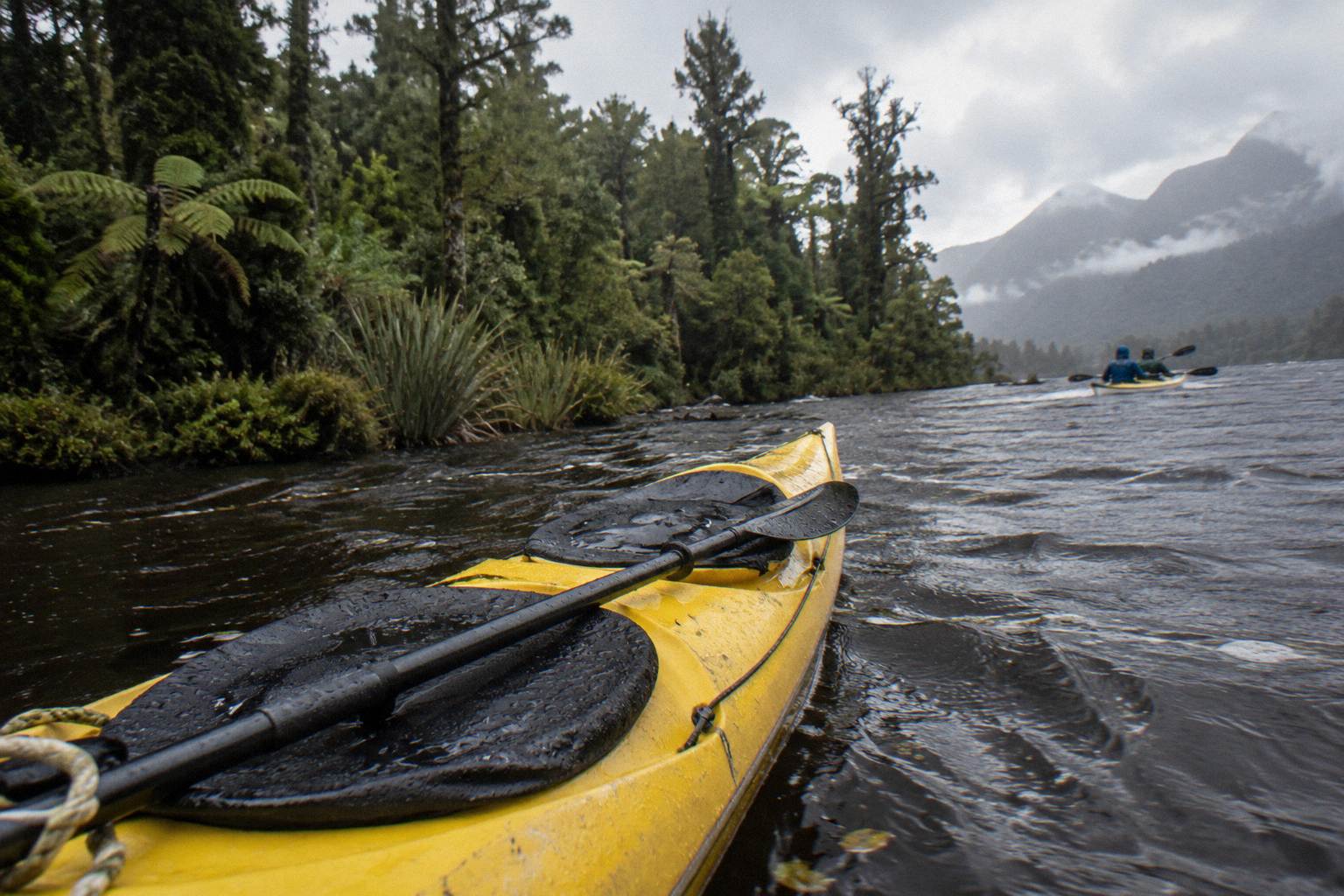
Nobody can answer that question for the whole country in one page. What can be reported in detail are the two waters covered here, both on the South Island's West Coast near Franz Josef: Lake Mapourika and Okarito Lagoon. Each has a different operator, a different character and a different wildlife story.
New Zealand stretches more than 1,000 kilometres from top to bottom, and its kayaking ranges from volcanic crater lakes in the north to fiords in the south. Here instead is a grounded account of two West Coast waters, both within half an hour of Franz Josef Glacier township, with every figure coming from the operators' own pages, the Department of Conservation (DOC) and Maritime NZ.
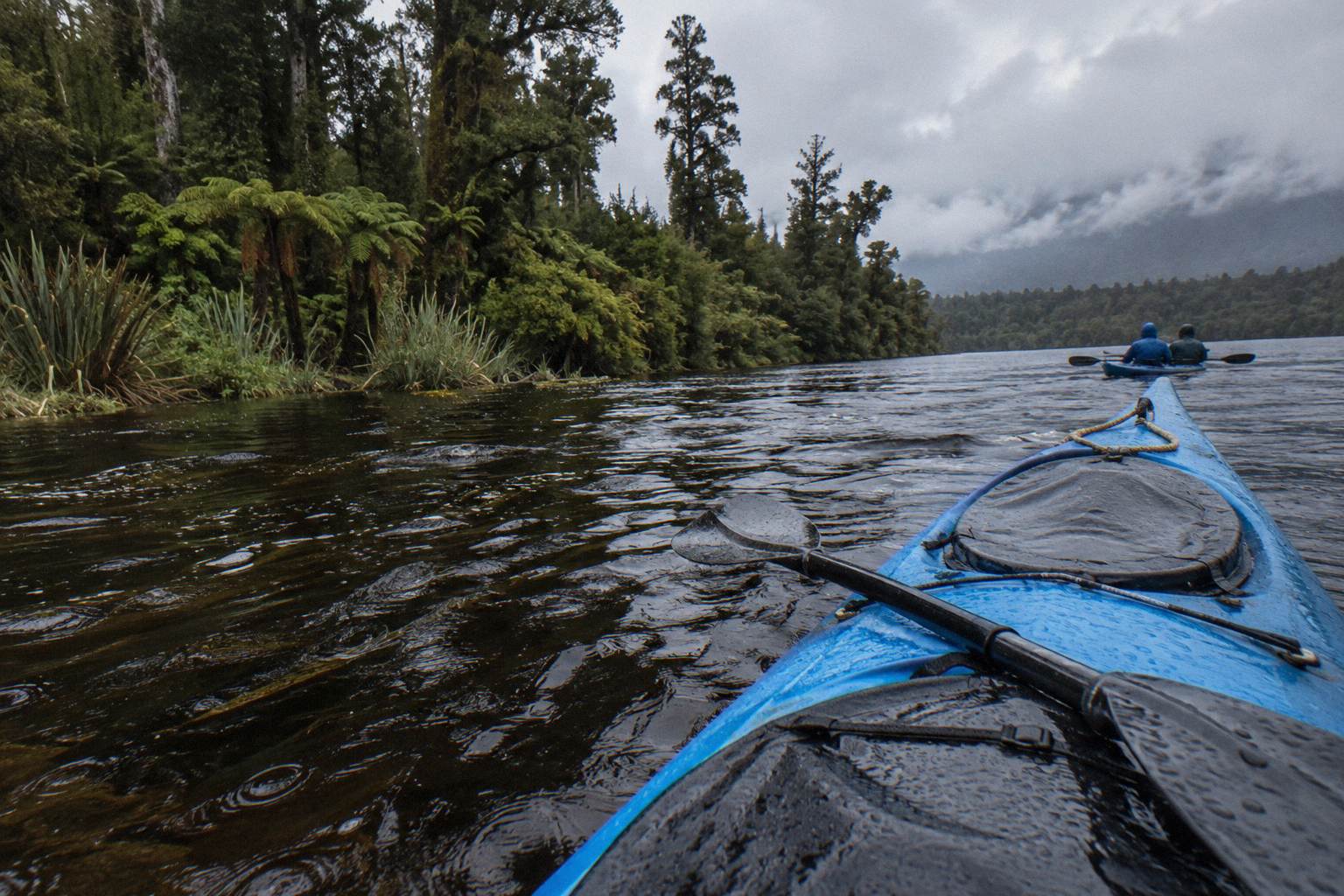
The two are genuinely different. Lake Mapourika is a tannin-stained kettle lake ringed by rainforest, where guided trips cross open water into a sheltered creek inside a predator-free kiwi sanctuary. Okarito Lagoon is a shallow tidal wetland at the edge of a tiny coastal village, where trips are timed to the tide and the drawcard is birdlife, including the kotuku, the white heron. One is about reflections and forest. The other is about birds and a whole ecosystem shaped by the tide.
If a paddle on either water is on your shortlist, these are the three trips worth a first look:
Anything further afield, from the Bay of Islands to Milford Sound, deserves its own research, and waters without verified detail will not be ranked here.
Why Does Lake Mapourika Keep Coming Up In Scenic-Kayak Conversations?
Because it combines still, tannin-dark water with rainforest and, on clear days, distant glacier views, all about ten minutes' drive from Franz Josef township. The operator, Franz Josef Wilderness Tours, describes it as the largest kettle lake in South Westland, about 9 square kilometres, formed by retreating glaciers. DOC's Otto/MacDonalds campsite sits on SH6 at the lake's northern end, 15 km north of Franz Josef, where the page notes you can boat, fish for trout or swim.
Those operator claims about the lake's size and origin are worth attributing carefully: they come from Franz Josef Wilderness Tours' own lake page, not from a survey. What is beyond dispute is the setting. The lake sits in the Crooked River valley, forest runs down to the shore, and the water carries the tea colour that West Coast water picks up from the forest. That colour is exactly what makes the reflections work: dark water acts like a better mirror than clear water, because it absorbs rather than scatters light.
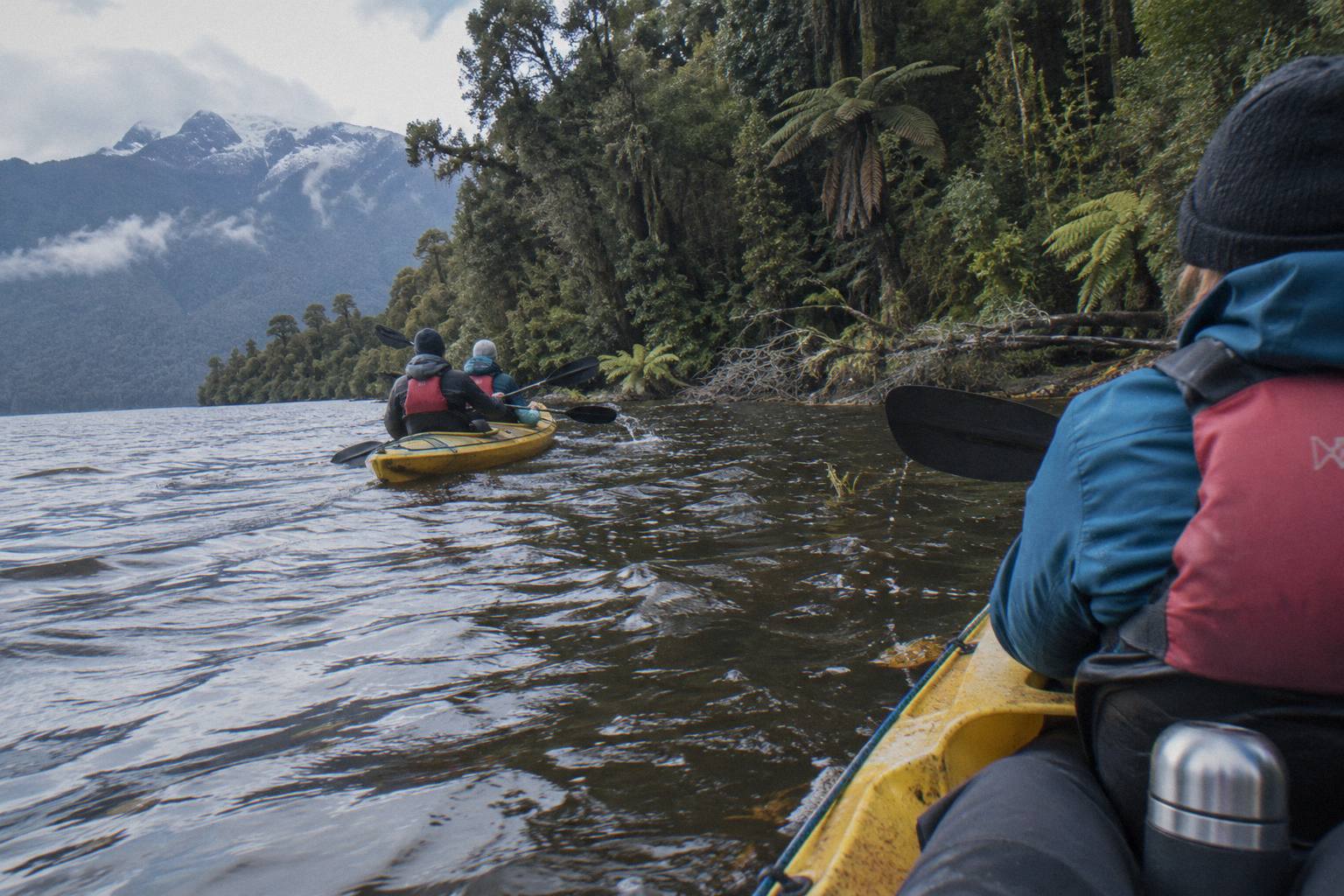
Reflections are the thing most photographers come for. They are frequent, not guaranteed. DOC's guidance for Lake Matheson nearby, a walk rather than a paddle, says the best reflections come on a sunny, windless day and at dawn and dusk. The operator's own note is that mirror reflections on the lake are often really dramatic when it is cloudy. Both can be true: wind is the real enemy of a reflection, not cloud. If reflections are your goal, the guide to when mirror reflections are best on the lake goes deeper on the conditions.
Glacier views deserve the same care. The lake is not at the glacier. The operator puts it plainly: on a clear day many glaciers are visible, including the neve of the Franz Josef Glacier, and when cloud sits lower in the valley, they are not. Nobody should book this paddle expecting a guaranteed glacier panorama, and nobody should be surprised when one appears over the ridge on a good morning.
Should you paddle it while you are here? That is the question answered here.
Should You Book A Paddle Or A Cruise Here?
What Is The Lake Mapourika 3-Hour Kayak Tour Actually Like?
It is a guided trip in stable double kayaks, 3 hours in total with about 2 hours 25 minutes of paddling, from NZ$159 per person, rated 4.9 from 400+ reviews, the most-reviewed trip of the set. The route crosses the lake and enters a hidden creek inside the predator-free Okarito Kiwi Sanctuary, and the group is usually 2 to 6 people, with the booking page showing up to 16.
The mirror creek is the heart of the trip. Because it sits inside the sanctuary, established in 2000 across around 11,000 hectares, the forest around it has no introduced predators, and the operator reports the rowi kiwi population there has grown from around 150 birds in the 1990s to more than 600 today. Those are operator figures, but the sanctuary itself and its purpose are official. Paddling a slow creek inside that forest, with the water reflecting the canopy, is the moment most reviews describe.
Practicalities are straightforward. Check-in is at the operator's office at 30 Main Road in Franz Josef township, at least 15 minutes early, and a courtesy transfer takes guests to the lake. No previous experience is needed, and the operator's FAQ addresses the swimming question directly: "You do not need to know how to swim, as a correctly fitted life jacket is worn throughout." Gear is included, meaning dry bag, paddling jacket, PFD, wet-weather gear, kayak skirt, pogies and paddle, and photos are emailed free afterwards. You bring a cap or sunglasses, a camera, sneakers or sandals, feet stay dry, a warm layer, and anything but jeans. The post on jeans on a kayak tour explains why denim is the one fabric the operator rules out.
There is also a 4-hour option, the Lake Mapourika Kayak And Okarito Kiwi Sanctuary Walk, from NZ$179 per person, rated 4.9 from 120+ reviews. It paddles the same water, about 2 hours 15 minutes on the lake, then adds roughly an hour on a private rainforest track reachable only from the water, with a naturalist guiding the forest section. For a paddler weighing scenery per hour, the 3-hour trip is the pure paddle and the 4-hour adds the forest on foot. Both carry free cancellation up to 24 hours on the booking page.
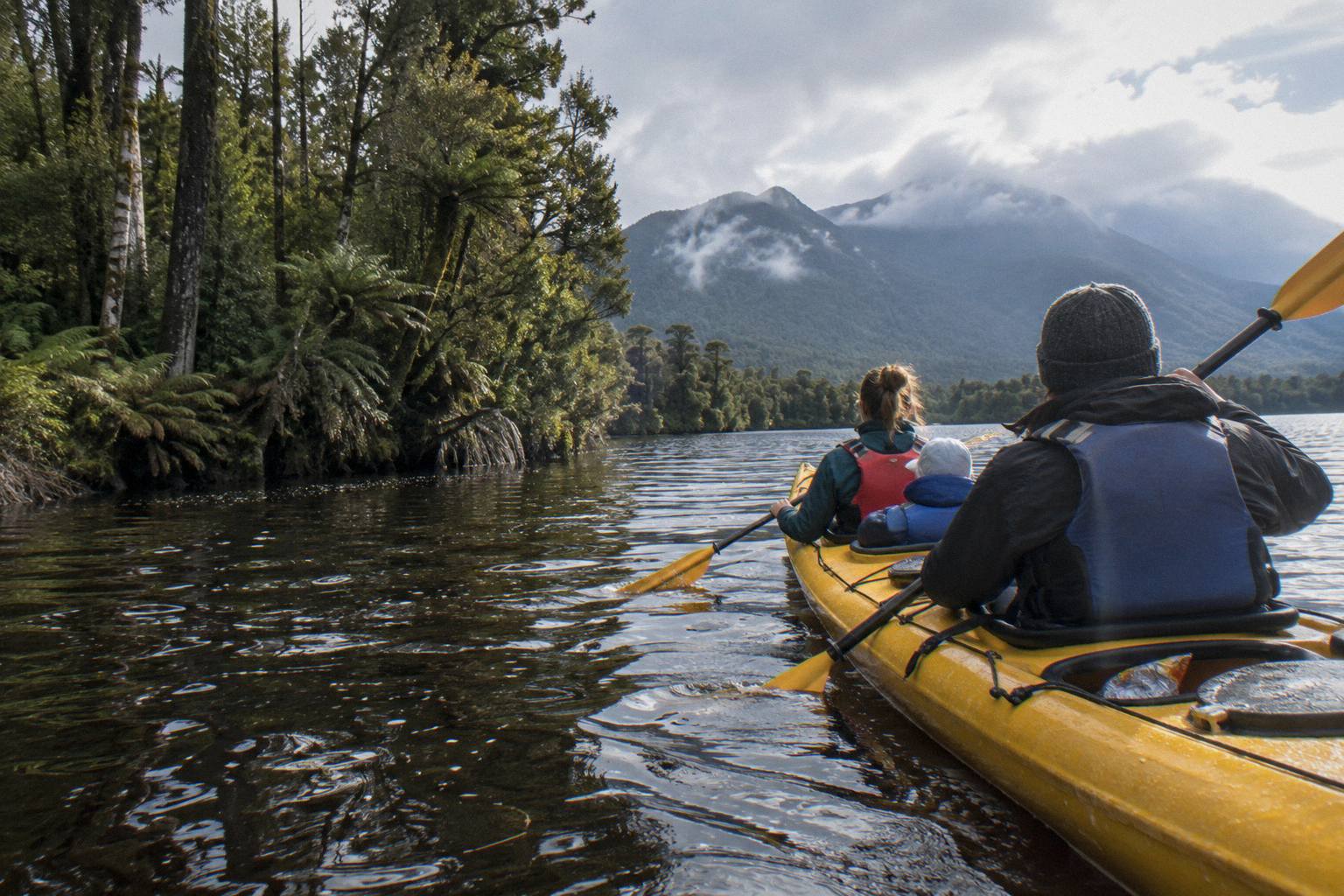
One more plain note: the lake is deep and exposed, and the operator's risk disclosure is candid that capsize, hypothermia and cold-water risk are real, higher in winter, and that parts of the trip sit 1-2 hours from medical assistance. Guided trips manage this with gear and guides, but it is a reason to take the guided option seriously on this particular water. For anyone uneasy on the water at all, the piece on nervous paddlers and safety works through what actually happens on a first trip.
What Does Okarito Lagoon Offer That The Lake Does Not?
A shallow, tide-shaped wetland and a birdlife story the lake cannot match, run by a different operator, Okarito Kayaks, from a base at 1 The Strand in Okarito village, about 25 minutes north of Franz Josef. Its guided trips are tide-timed: the Explorer, 3 hours total with up to 2 hours on the water, from NZ$165 per person, and the Adventurer, 4 hours with up to 3 hours on the water, from NZ$210 per person.
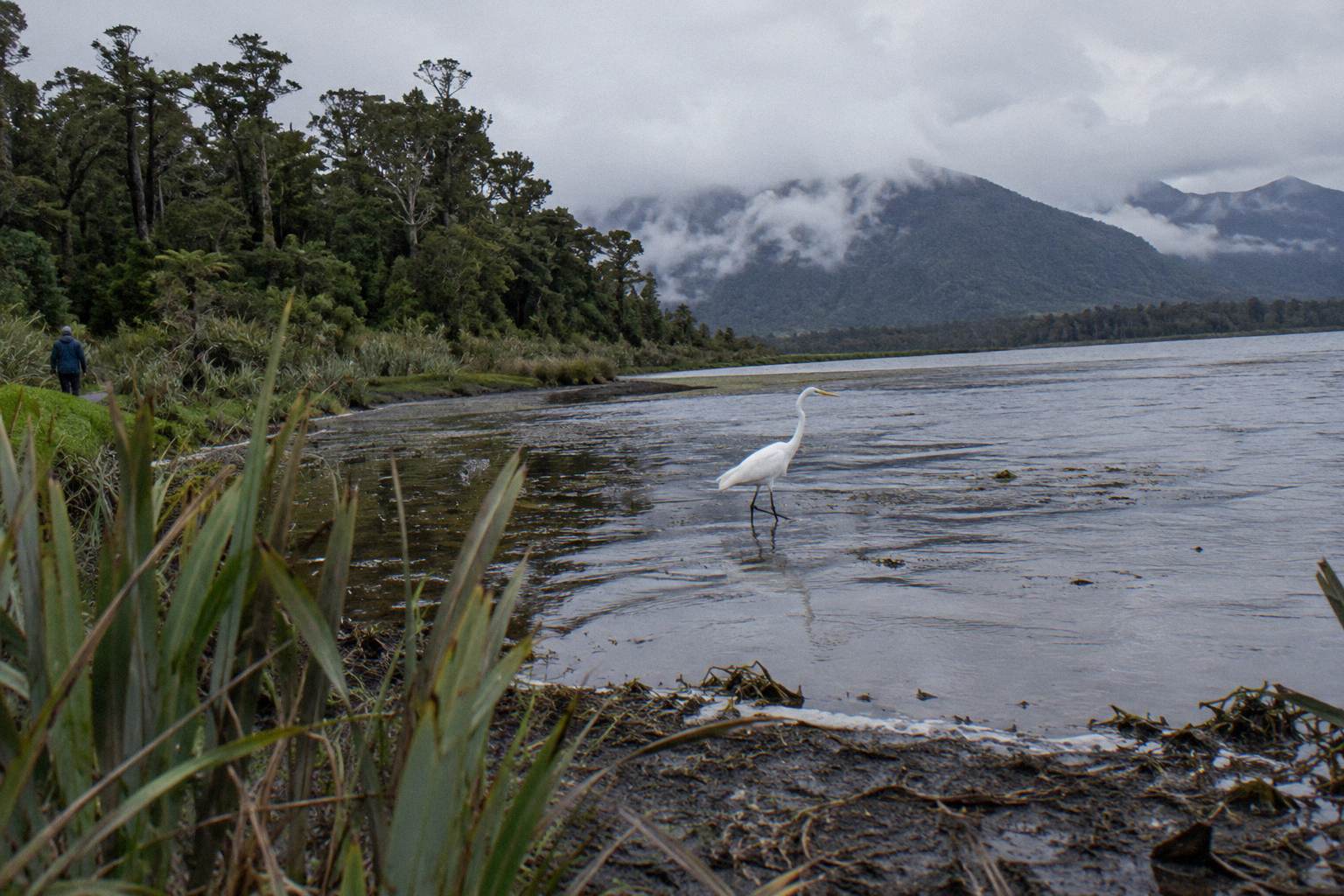
Okarito is a different world from the lake. The village has about 40 permanent residents by the operator's count, around 30 by DOC's, and no shop or restaurant. The lagoon itself is shallow and tidal, which is why every departure is scheduled around the best tidal conditions for the day: start times move with the tide, not the clock. The operator, family run since 2014 and guiding and renting on the lagoon for over thirty years, holds the NZ Tourism Environment Award for 2026, and trades year round. Other pages covering the same trip are gathered on Franz Josef Kayak Tours.
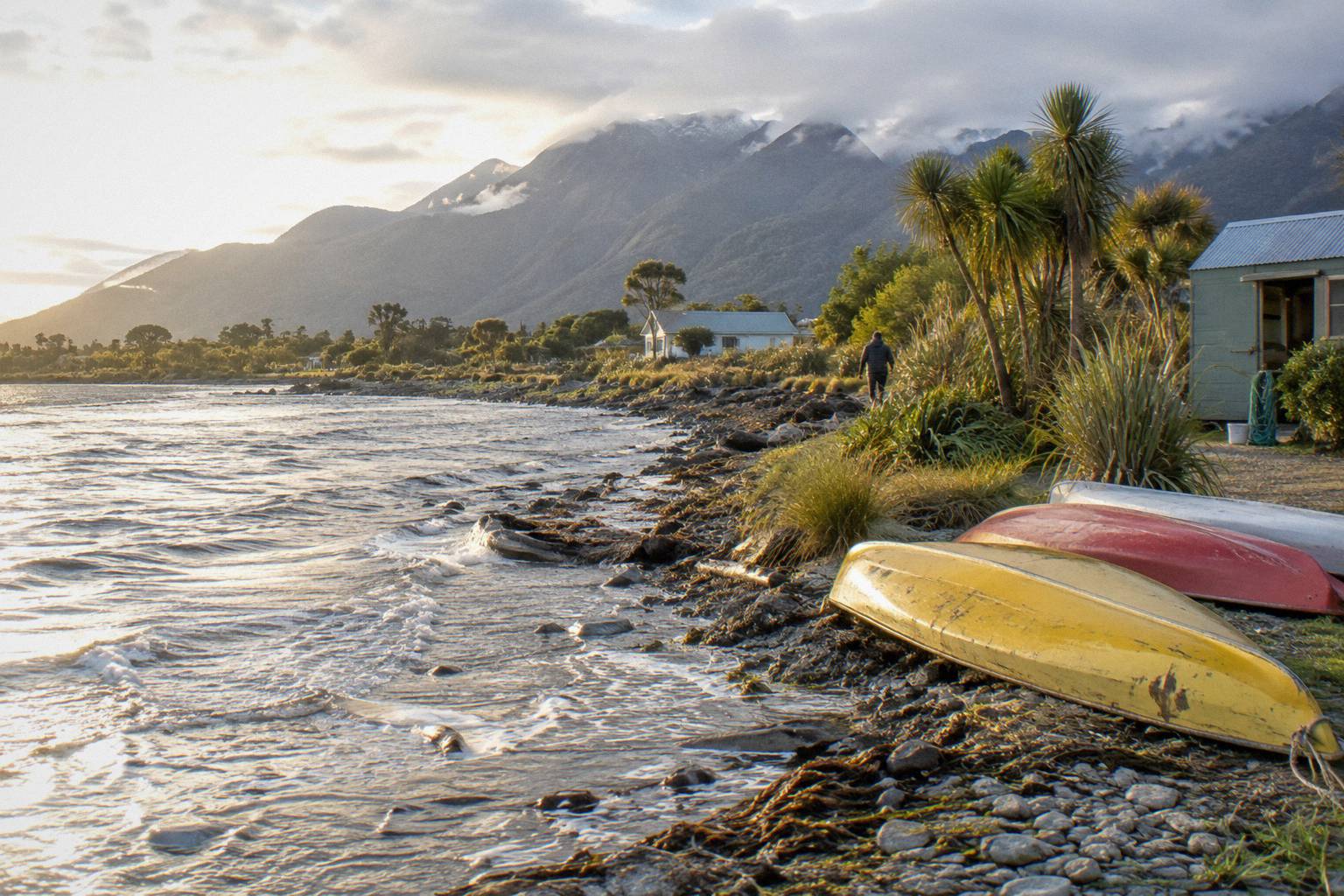
The scenery here is wide and open rather than enclosed: channels through the shallows, the forested spine of the coast, and the sea just beyond the bar. But the real distinction is wildlife. DOC notes that the kotuku, the white heron, breeds at the country's only colony, near Whataroa in the Waitangiroto Nature Reserve, from September to February, and that in the breeding season the birds feed in coastal lagoons, particularly nearby Okarito Lagoon. The operator's own wording is that while you cannot access the nesting site by kayak, it is common to see the birds feeding throughout the lagoon year round.
Two limits go with that. First, kayakers see kotuku feeding, never nesting: the colony itself is viewed from a hide on a separate licensed tour run by White Heron Sanctuary Tours from Whataroa, established 1987, and that trip is not a kayak trip. The comparison of the white heron sanctuary tour or a kayak trip lays out the difference. Second, no sighting is ever promised; "common" is the strongest word any operator will use.
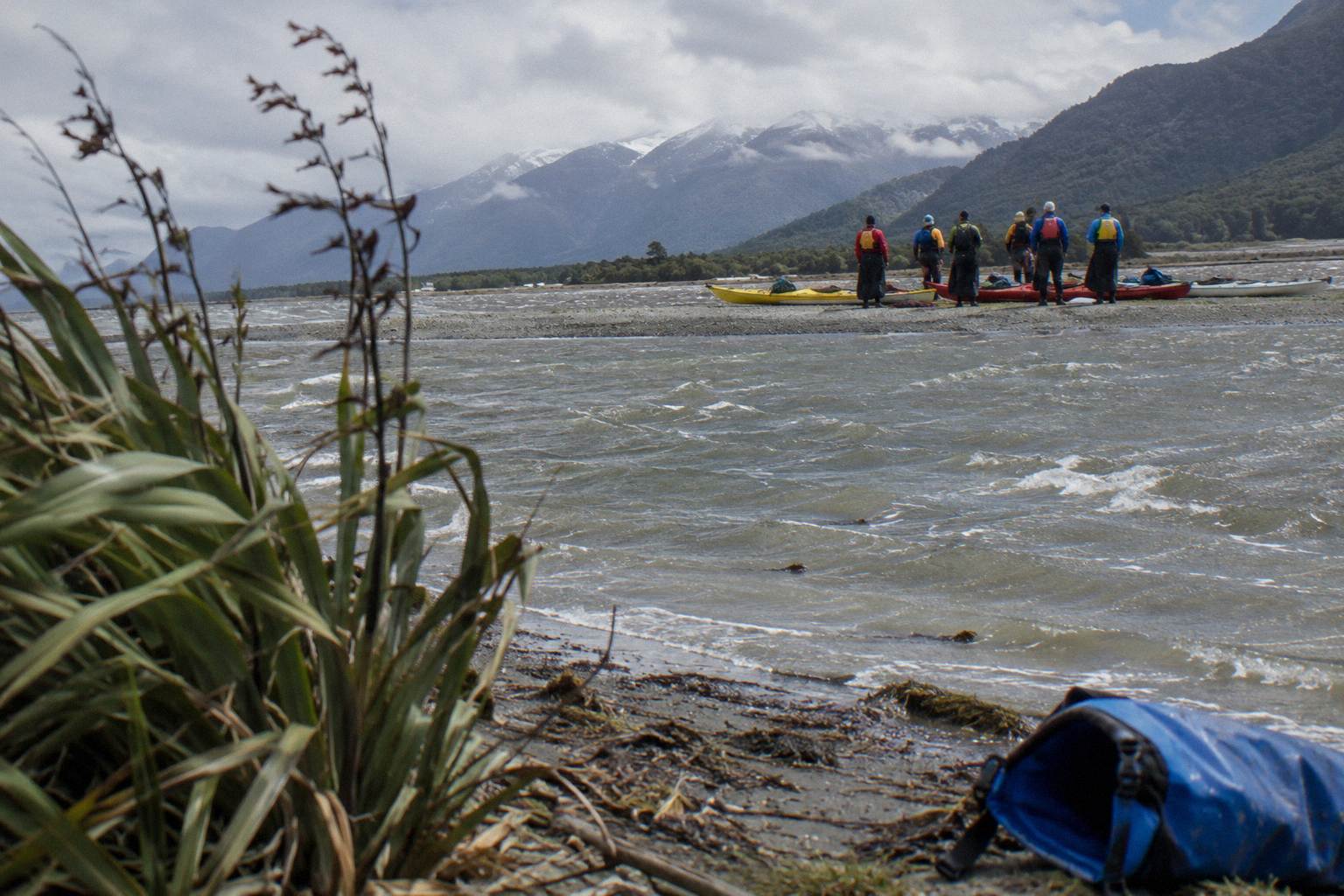
Both Okarito trips include the base's parking, toilets and hot drinks, and on the water each paddler gets a lagoon map and bird guide, buoyancy aid, spray skirt, dry bag, environmentally friendly insect repellent, and a rescue boat on standby. There is no transfer: you drive yourself to Okarito, 10 km off SH6 on a sealed road, and arrive 10 to 15 minutes before your start time. A departure needs a minimum of two adults booked to confirm, and the booking pages exclude people over 200 cm or over 125 kg.
The shorter trip suits most first-time visitors:
The Adventurer, 4 hours with up to 3 hours paddling, goes further into the lagoon system and the operator flags that it needs some fitness and flexibility, including getting in and out of the kayak in shallower spots.
Which Water Suits Which Kind Of Paddler?
Broadly: choose Lake Mapourika for enclosed forest, dark-water reflections and a guided, gear-included trip with a courtesy transfer from Franz Josef township; choose Okarito Lagoon for open wetland scenery, tide-timed paddling and the best birdlife, accepting self-drive to the village and tide-set start times. Families with very young children and non-swimmers are better served on the lake; birders and photographers of wildlife, on the lagoon.
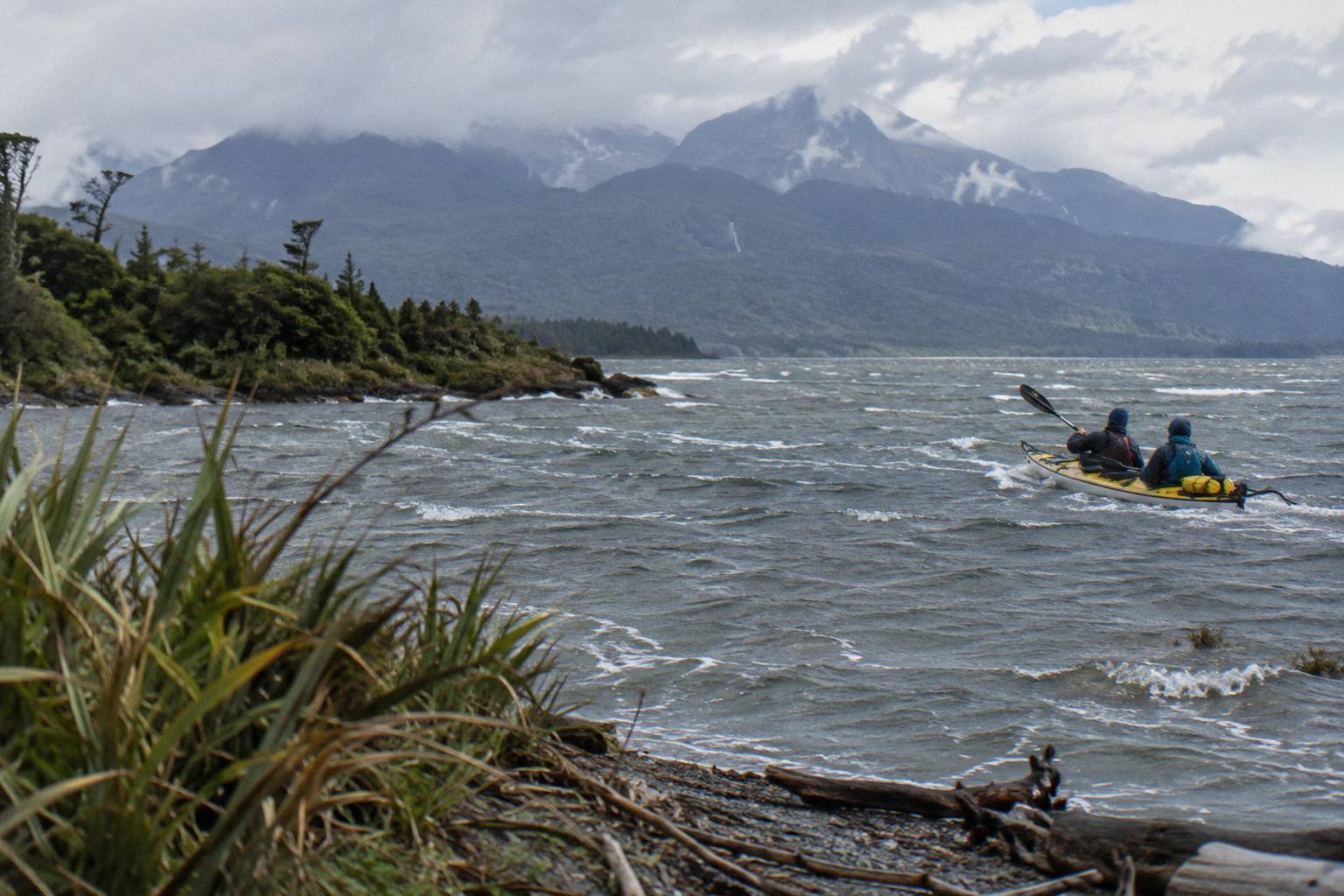
The table below sets out the differences using the figures available.
| Lake Mapourika | Okarito Lagoon | |
|---|---|---|
| Operator | Franz Josef Wilderness Tours | Okarito Kayaks |
| Water type | Kettle lake, tannin-stained, forested | Shallow tidal lagoon, open channels |
| Getting there | Courtesy transfer from Franz Josef office | Self-drive to 1 The Strand, Okarito |
| Guided trips | 3-hour tour from NZ$159; 4-hour kayak and walk from NZ$179 | Explorer 3 hours from NZ$165; Adventurer 4 hours from NZ$210 |
| Ratings shown | 4.9 from 400+ reviews; 4.9 from 120+ reviews | No score shown |
| Start times | Set daily sessions, summer and winter schedules | Tide-timed, vary by day |
| Wildlife drawcard | Forest and kiwi sanctuary creek | Kotuku feeding, lagoon birdlife year round |
| Swimming needed? | No, per operator FAQ | Check when booking |
Neither is ranked above the other here, and they are not rivals: different operators, different waters, different experiences. Some visitors do both in one stay, and the guide to Lake Mapourika or Okarito Lagoon works through that choice in more detail, including how many days you would want.
A few paddler types worth naming. If you have never paddled, the lake's stable double kayaks, small usual groups of 2 to 6, and no-swimming-needed policy make it the gentler entry, and the primer on kayak tours for beginners on the West Coast covers what a first trip involves. If your camera is the reason for the trip and reflections are the subject, the lake's mirror creek is the stronger bet, often even under cloud. If birds are the subject, the lagoon wins, and bring binoculars, which the operator lists among its recommended kit.
When Should You Paddle Each Water?
Both run year round, but each has a seasonal rhythm. Lake Mapourika runs summer sessions from 1 November to 31 March, including a 5pm departure on the operator's Sunset Classic, and winter sessions from 1 April to 31 October in the morning and early afternoon. Okarito's calendar is set by tides rather than seasons, though the lagoon's shallows and the village's exposed feel change the experience month to month.
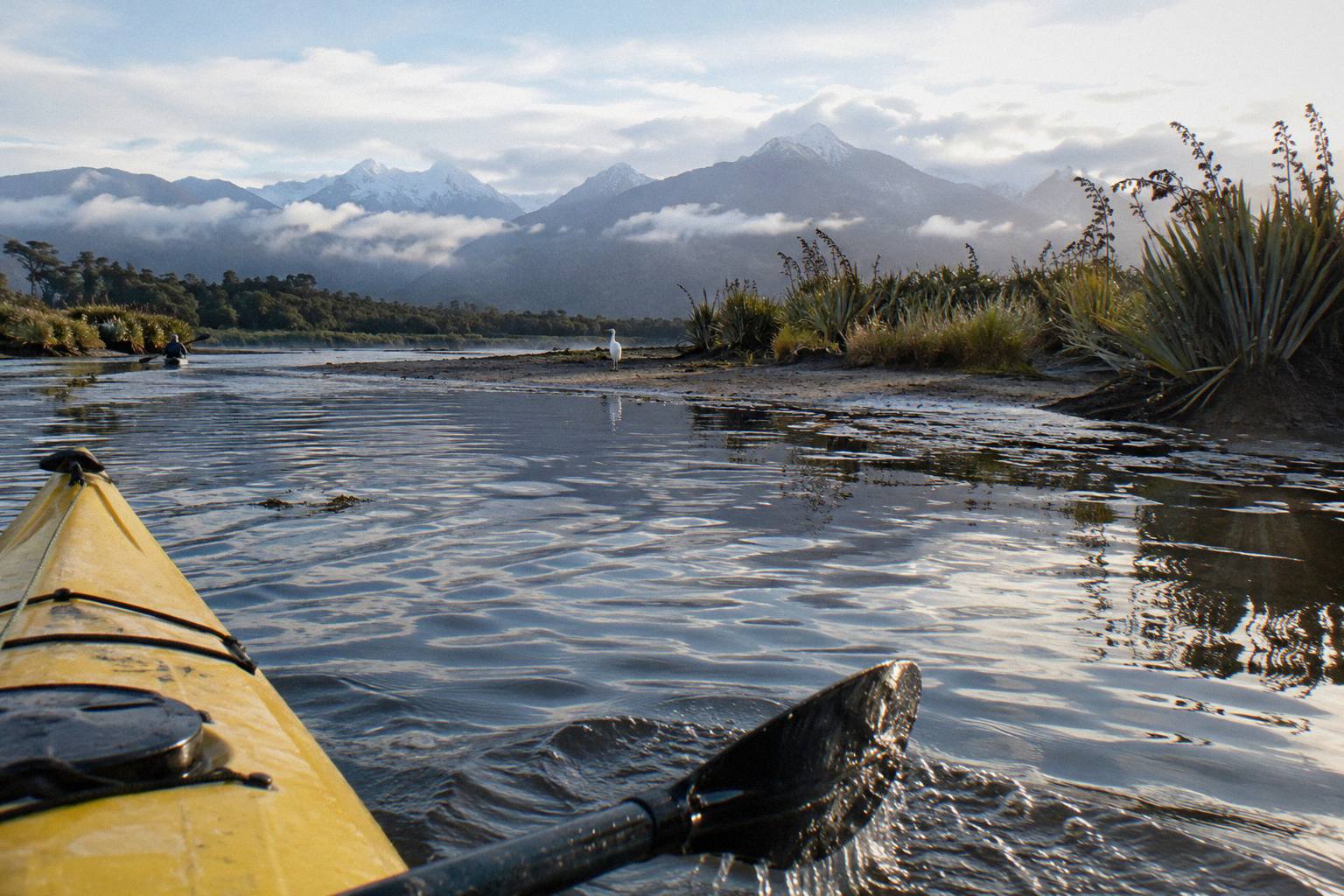
The West Coast is wet at any time of year. NIWA's 1991 to 2020 records put Franz Josef's mean annual rainfall at 5,555.2 mm, with the wettest month October at 594.1 mm and the driest July at 317.8 mm. Every single month averages above 300 mm of rain. What that means for a paddler is not that tours are rained off, it is that light rain is normal and tours run in it: the lake operator says kayaking can be especially atmospheric in light rain and supplies jackets and wet-weather gear, and if conditions are ever considered unsafe the tour is cancelled with an alternative or a full refund.
Rain is not the enemy; wind is, for reflections especially. Cloud can even help, on the operator's own reading. The guide to Franz Josef weather for kayaking and the post on when weather cancels a kayak tour cover the practical side, including the operator's observation that it is often dry at the lake while raining in the township, only about ten minutes apart.
Winter paddling is real here too, with lower crowds and the operator noting the 2pm winter trip often coincides with sunset. The trade-offs are colder water and a higher hypothermia risk flagged in the risk disclosure, so winter paddlers should take the warm-layer advice seriously. The winter kayaking post goes through what changes.
The seasonal pattern, in the figures available:
| Season | Lake Mapourika sessions | Okarito Lagoon | West Coast rain picture |
|---|---|---|---|
| Summer (1 Nov to 31 Mar) | Morning, midday and a 5pm Sunset Classic departure | Tide-timed trips daily, guided year round | Wettest stretch: October averages 594.1 mm |
| Winter (1 Apr to 31 Oct) | Morning and early afternoon only; no sunset trip | Tide-timed trips daily, colder conditions | Driest month July still averages 317.8 mm |
| Cancellation | Free up to 24 hours on the booking page | Free up to 24 hours on the booking page | Operator cancels unsafe conditions with a full refund |
One safety point that applies nationwide and is easy to miss: since 9 October 2026, everyone on a recreational craft 6 metres or under, kayaks and paddleboards included, must wear a lifejacket while underway, under Maritime NZ's updated lifejacket rule. On guided trips the operators fit and supply buoyancy aids anyway, but independent paddlers planning their own launch at, say, the DOC campsite on the lake's northern end need to know the rule is already in force.
What Should You Plan For On The Day?
On the lake: check in 15 minutes early at the Franz Josef office, wear anything but jeans, and let the operator's transfer handle the drive. On the lagoon: self-drive to Okarito, arrive 10 to 15 minutes early, expect tide-set timing, and bring warm quick-drying layers, a rain jacket, footwear, water, snacks, sunscreen and binoculars. All five trips carry free cancellation up to 24 hours on the booking page.
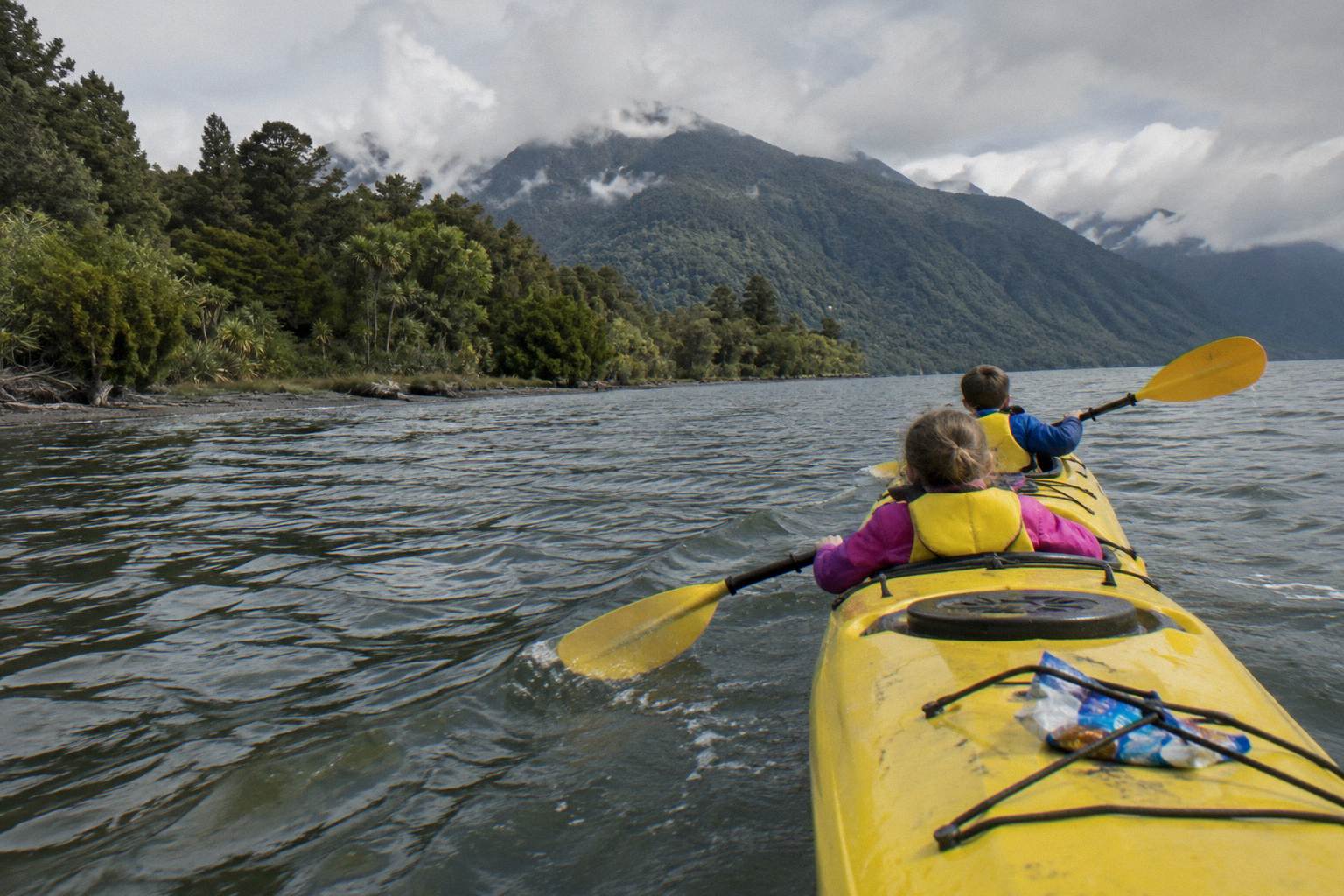
Booking windows matter less than people fear on the West Coast outside peak summer, but the post on booking a kayak tour in advance explains when to worry. One Okarito rule is firm: a guided departure needs a minimum of two adults booked to confirm, so a solo traveller may be matched with others or may need to be flexible. The piece on minimum ages for kayak tours near Franz Josef covers the family side: the lake operator takes children aged 3 and over on its classic trip, while Okarito Kayaks states no minimum or maximum age at all, with under-18s at half price on its trips.
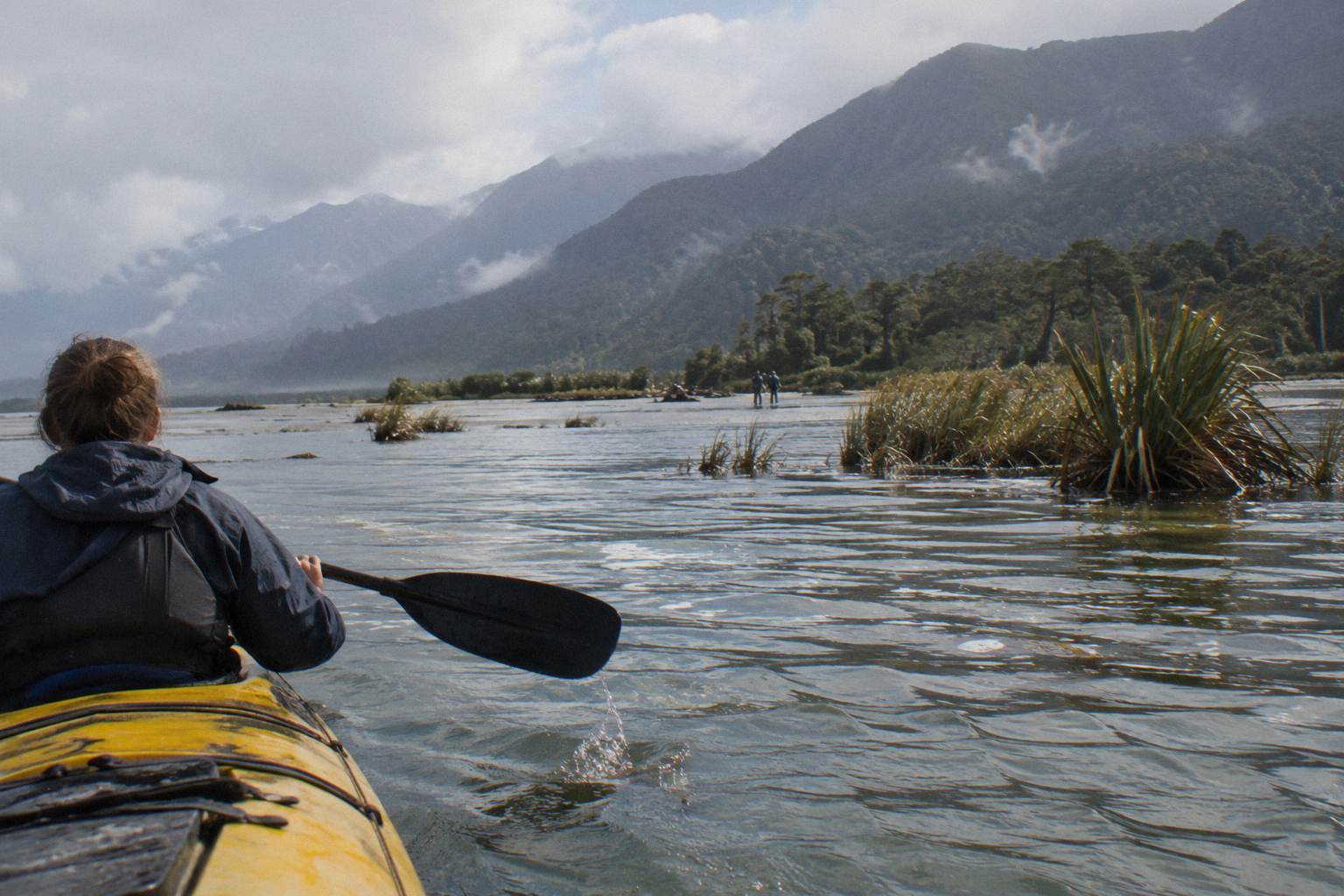
Sandflies deserve a straight mention, attributed correctly. DOC warns on its Westland Tai Poutini National Park page that sandflies are prevalent and insect repellent is advised, and Okarito Kayaks mentions them on occasional cloudy, still days and supplies an environmentally friendly repellent. The lake operator's pages, notably, say nothing about sandflies either way. The post on sandfly repellent for Lake Mapourika has the practical detail.
For paddlers whose trips are really about wildlife, the Adventurer is the deeper lagoon experience:
Budget-wise, the summary is a range, not a ranking: the five trips run from NZ$125 to NZ$210 per person, and the guide to how much a kayak tour near Franz Josef costs breaks down what changes the price, including the operator's direct-booking bundle of 10 percent off two tours and 15 percent off three, which applies to direct bookings rather than the booking platforms.
The three lake-based options, for a final side-by-side:
- 3-Hour Lake Mapourika Kayak
- Kayak Plus Kiwi Sanctuary Walk
- 4-Hour Lagoon Kayak, Alpine Views
- 3-Hour Lagoon Kayak
- 2-Hour Lake Cruise
Common Questions About Kayak Scenery In New Zealand
What Are The Most Scenic Places For A Kayak Tour In New Zealand?
Two waters get verified coverage here: Lake Mapourika, a tannin-dark kettle lake with a mirror creek inside a kiwi sanctuary, and Okarito Lagoon, a shallow tidal wetland with year-round birdlife. Both sit within 25 minutes of Franz Josef. Other New Zealand waters deserve separate research, and they will not be ranked without it.
Can You See Glaciers From A Kayak Near Franz Josef?
Sometimes. The operator states that on a clear day several glaciers, including the neve of the Franz Josef Glacier, are visible from Lake Mapourika, and that low cloud hides them. The lake is not at the glacier itself, and the glacier valley is a DOC walking track, not part of any paddle. No view is guaranteed.
Will I See A Kotuku, The White Heron, From A Kayak?
Okarito Kayaks says it is common to see kotuku feeding throughout Okarito Lagoon year round, and DOC notes the birds feed there especially in the September to February breeding season. Kayaks cannot reach the nesting colony near Whataroa; that is a separate licensed hide-based tour. Sightings are common, never promised.
Do You Need To Be Able To Swim Or Have Kayaked Before?
Not on the lake trips. The operator's FAQ states you do not need to know how to swim because a correctly fitted lifejacket is worn throughout, and no previous experience is needed. Since 9 October 2026 a lifejacket must be worn underway on any recreational craft 6 metres or under nationwide, which applies to kayaks.
Which Is Better For A First-Time Kayaker, The Lake Or The Lagoon?
Neither is ranked above the other, but they suit different people. The lake offers stable double kayaks, usual groups of 2 to 6, a courtesy transfer from Franz Josef and no swimming requirement. The lagoon offers tide-timed small-group trips with a rescue boat on standby but requires self-drive to Okarito and needs two adults booked to confirm a departure.
Do These Kayak Tours Run In Bad Weather?
Yes, in light rain, which the operator calls especially atmospheric; all the relevant gear is supplied. If conditions are considered unsafe the tour is cancelled with an alternative or a full refund. Wind affects reflections more than rain does, and it is often dry at the lake while raining in the township.