Do Tides Matter For An Okarito Lagoon Kayak Tour?
Yes: Okarito Lagoon is shallow and tidal, so every guided kayak start time is scheduled around the best tidal conditions for the day. Here is what that means for your booking.
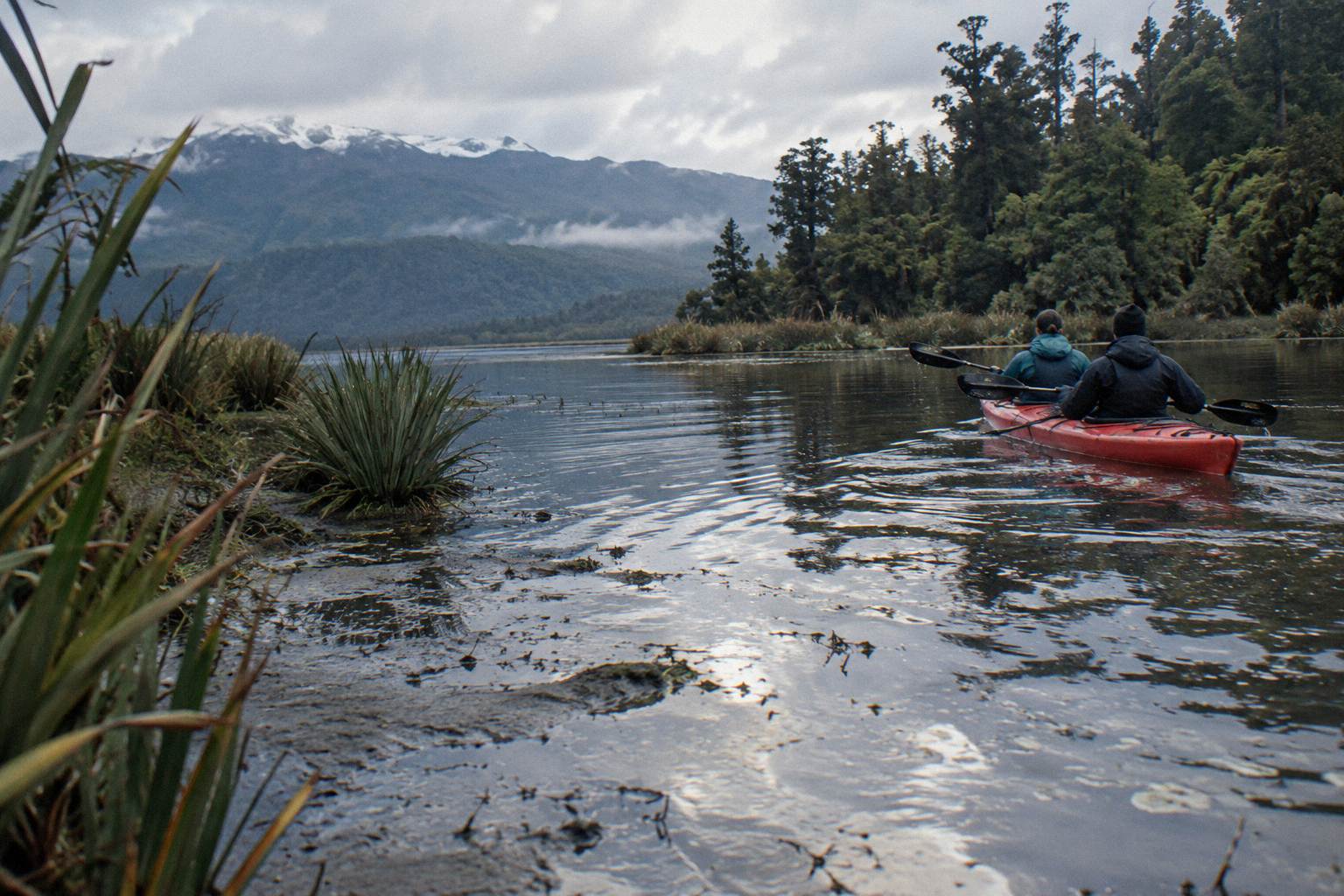
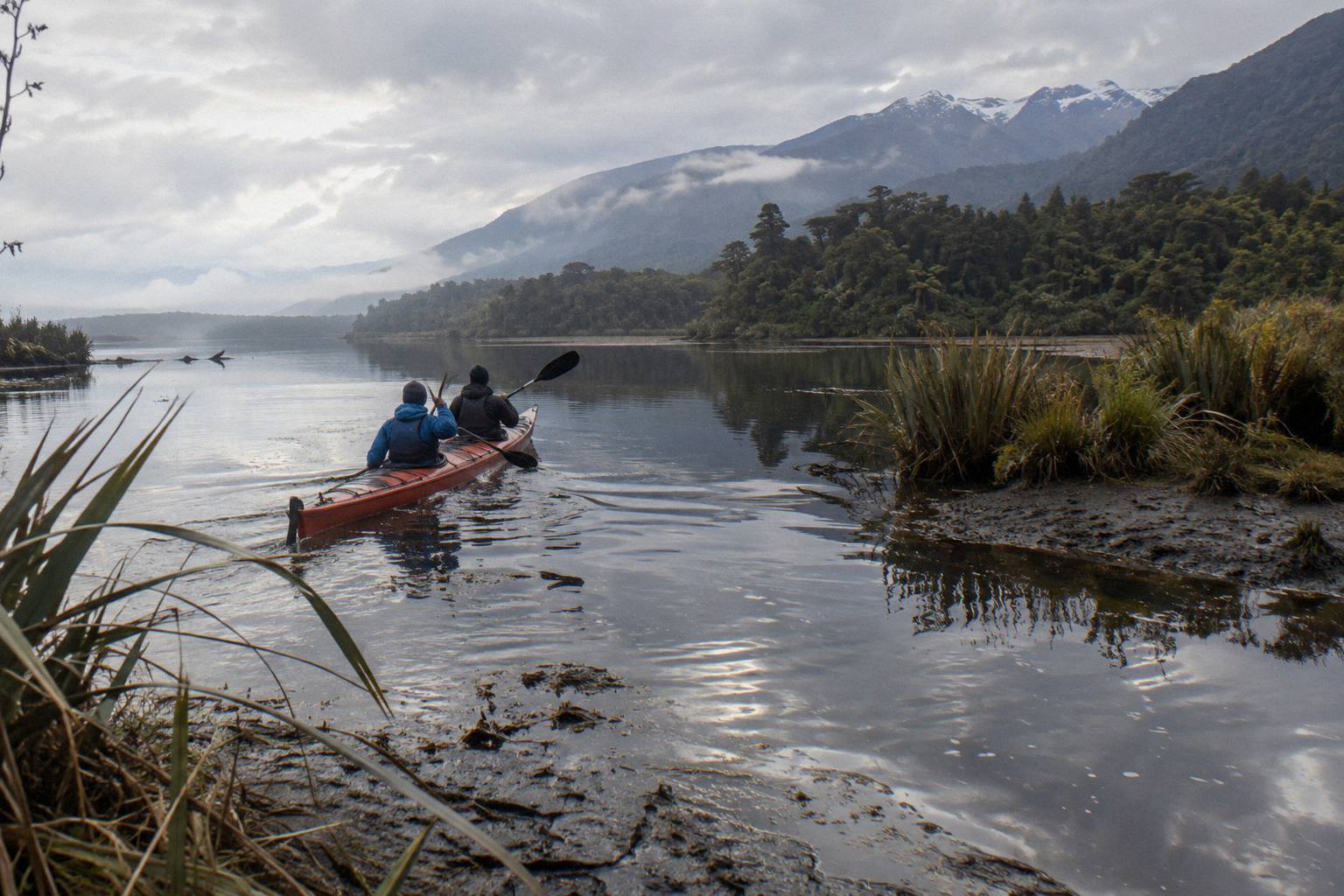
Yes, tides matter more at Okarito than on almost any other paddle on the West Coast, but not in a way you need to manage yourself. The lagoon is shallow and tidal, so Okarito Kayaks schedules every guided tour and rental start time around the best tidal conditions for the day. Your job is simply to book a date and read the departure time on the booking page.
That single sentence answers most of the question, but the detail behind it is worth understanding before you commit, because it shapes when you paddle, how long you get, and what the trip feels like. Okarito Lagoon is not a deep mountain lake with fixed morning and afternoon sessions. It is a shallow tidal basin connected to the Tasman Sea, and the water in it rises and falls through the day. An operator working on a shallow tidal lagoon cannot just publish "9am daily" and hope for the best, so the start times move with the tide cycle instead.
This is also the main practical difference between Okarito and Lake Mapourika, the other famous paddle near Franz Josef. The lake sits about ten minutes north of the township on State Highway 6 and runs to a fixed timetable, with summer sessions including a 5pm departure and winter sessions running morning and early afternoon. The lagoon, about 25 minutes north of Franz Josef and 10 km off the highway on a sealed road, breathes with the tide. Neither approach is better; they are different waters, and covered by different operators.
There is a mental shift here that catches some travellers out. On a fixed-timetable lake trip you can plan breakfast, the paddle, lunch and an afternoon glacier valley walk with confidence, because the tour starts at the same hour every day in a given season. On a tidal lagoon the start hour is a consequence of the moon and the sea rather than a scheduling preference, and it can land anywhere across the daylight hours. Building your day around the departure, rather than the departure around your day, is the habit that makes an Okarito booking stress-free. Most people find this liberating once they stop fighting it: the operator has already done the hard thinking.
If you have already decided on the lagoon, the practical takeaway is simple: book the date you want, then check the stated departure time on the booking page rather than assuming a morning slot. Because the trips are tide-timed, the day's departure might be earlier or later than you expect, and arriving 10 to 15 minutes before the stated start at the Okarito Kayaks base on The Strand matters more than it would at a fixed-time tour. The rest of this article unpacks why, and what to ask before you book.
Why A Shallow Tidal Lagoon Changes The Paddling Day
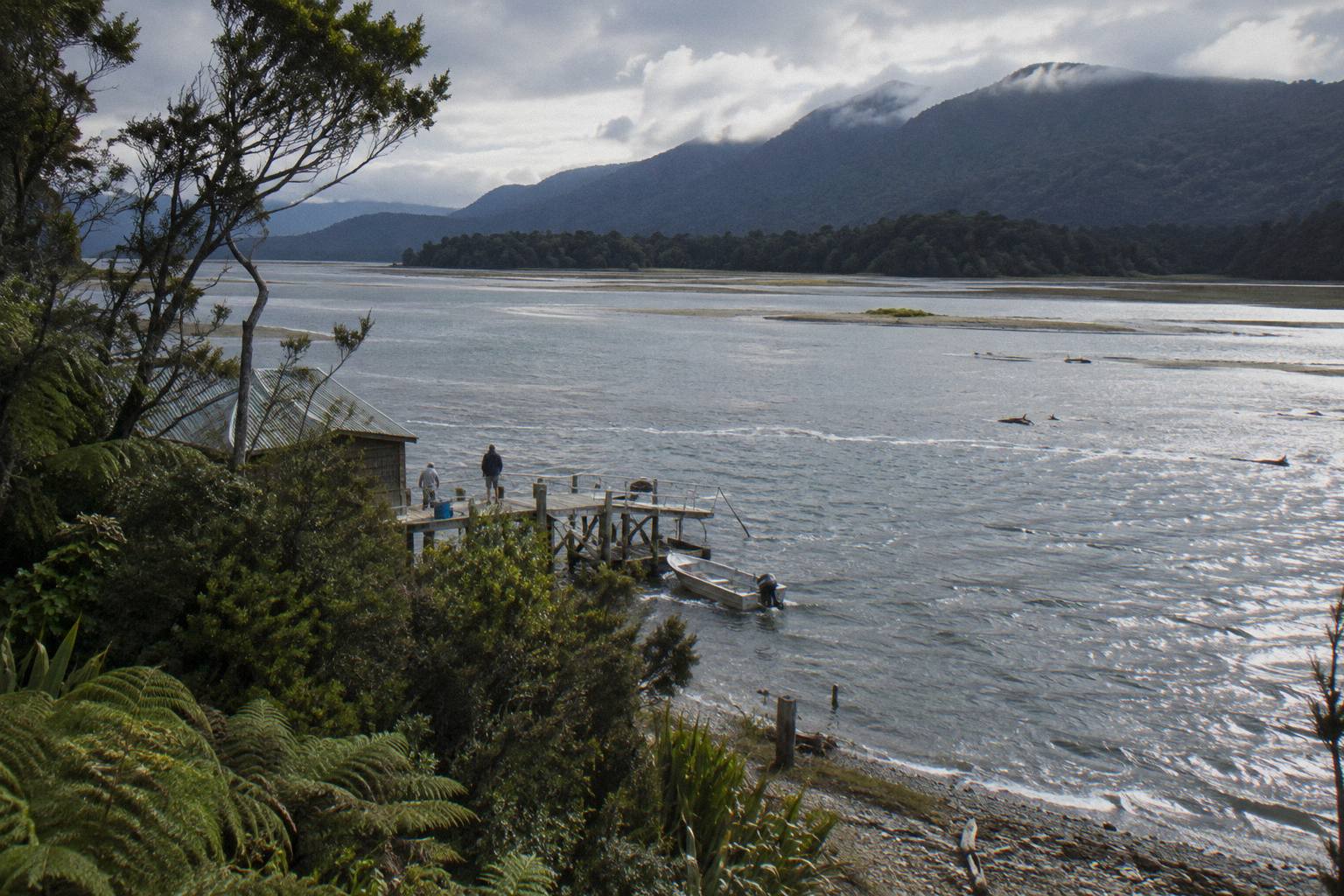
A shallow lagoon gains and loses paddleable water as the tide turns, which is why fixed schedules do not work there. Okarito Kayaks states that its tour and rental start times are scheduled around the best tidal conditions for any day. No tide height, no table of times and no claim about which tide is better belongs in your planning; the operator holds that detail and publishes each day's departure on the booking page.
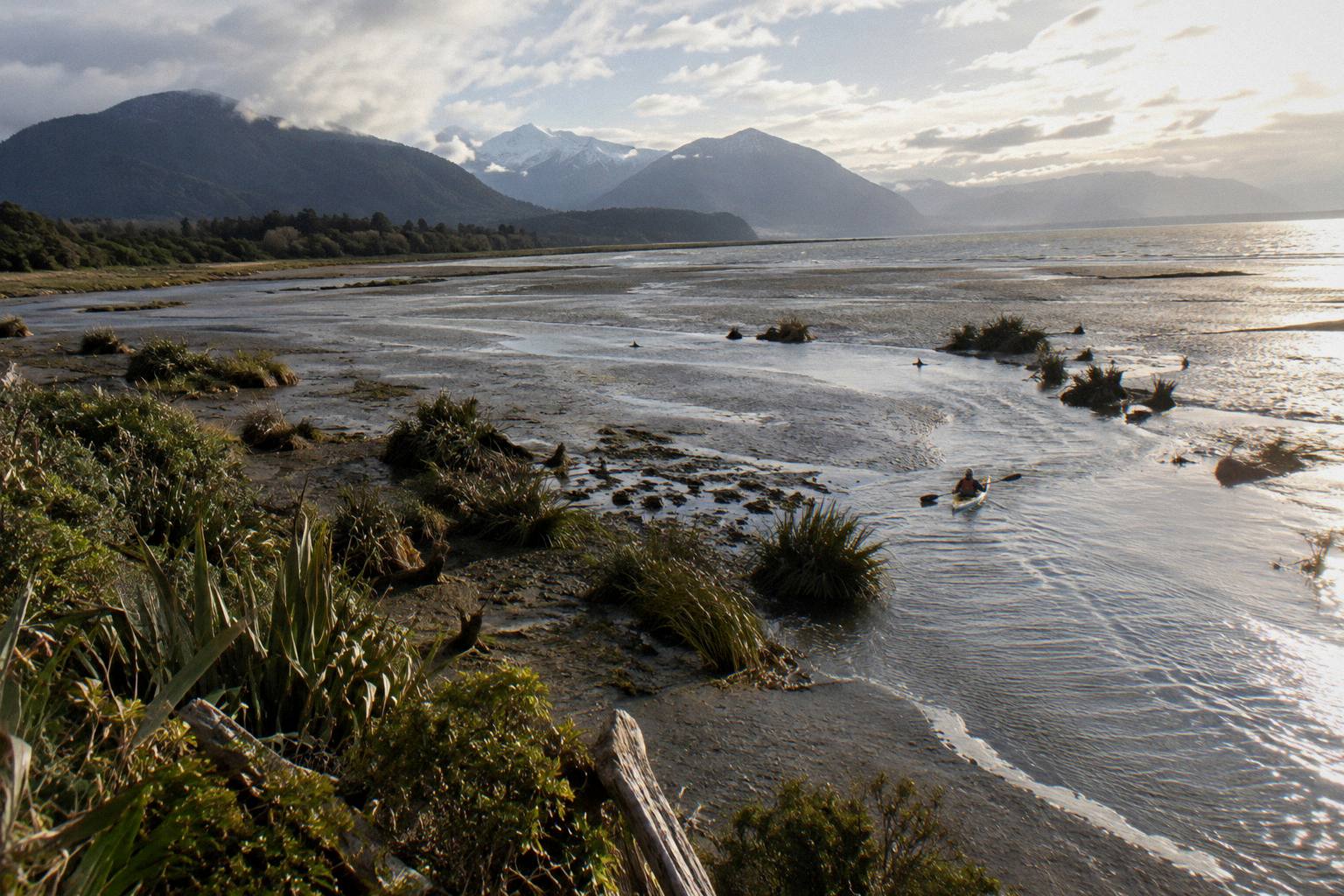
Think of it this way: on a shallow tidal lagoon, the same spot can be a glassy channel at one hour and a mudflat fringe an hour later. Channels shift, feeding grounds for wading birds open and close, and the shoreline you paddle along can look like a completely different place within a single afternoon. An operator with thirty-plus years on this water, as Okarito Kayaks describes its record, reads that rhythm daily and sets start times so guests spend their on-water hours in the best window rather than fighting a turning tide.
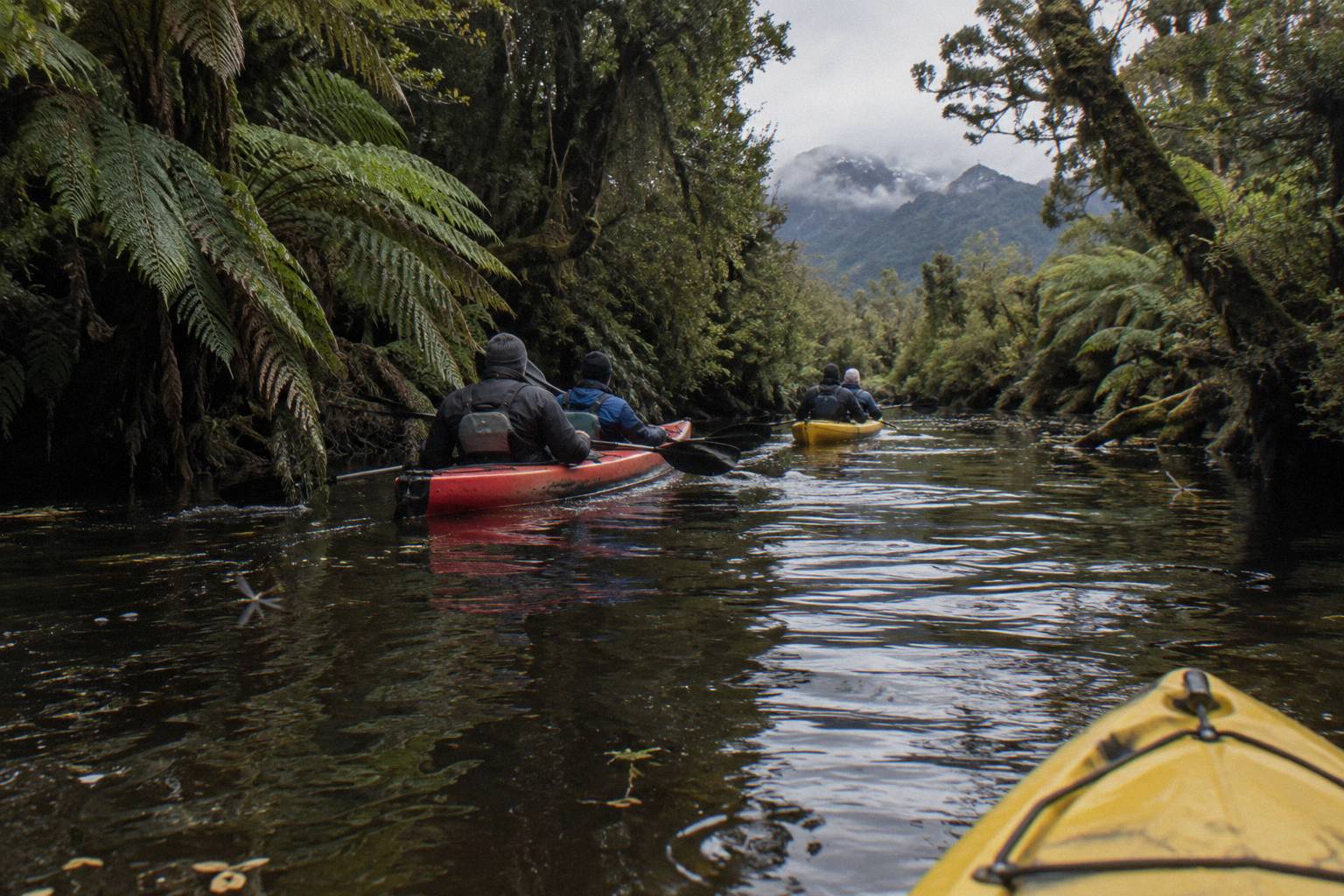
For you as a booker, this has three consequences. First, do not build a rigid minute-by-minute itinerary around an assumed departure time; leave a flexible buffer either side. Second, when the booking page shows an unusual start time, that is the tide talking, not a mistake. Third, if you are staying in Franz Josef, remember the drive: Okarito is about 25 minutes north, so a tide-timed 8am start means leaving town well before then. The base has parking, toilets and hot drinks, so once you arrive you can settle in.
It helps to picture the geography. The lagoon sits behind a long sand barrier, with the open sea on one side and dense lowland rainforest on the other, and the water inside is a shifting mix of salt and freshwater shaped by whatever the tide is doing at the mouth. Because the basin is shallow throughout, a modest change in water level translates into a large change in where a kayak can comfortably go. A channel that carries a group comfortably at one state of the tide can thin to a drag at another, and a peaceful backwater can become the best route two hours later. The guide's route choice on the day is therefore part of the product, not an afterthought, and it is a reason the guided trips here suit first-timers: someone else is reading the water so you can watch the forest.
The village itself is tiny, around 30 to 40 permanent residents depending on who is counting, with no shop or restaurant, so factor in snacks and water from Franz Josef. The operator's kit list covers this: warm quick-drying clothing, a rain jacket, footwear, water, snacks, sunscreen, a camera and binoculars if you have them.
What Tide-Timed Departures Mean For The Way You Book
Booking at Okarito works backwards from the tide: you choose a date, the operator sets the start time around that day's best tidal conditions, and the departure appears on the booking page. Free cancellation up to 24 hours applies on the booking page. One rule matters before anything else: a guided departure is only confirmed once at least two adults are booked, so a solo traveller may need to join others.
That two-adult minimum is the single most common stumbling block. Okarito Kayaks will not promise a departure for one booked adult, so if you are travelling alone, book and then watch for confirmation, or pick a date likely to share with other guests. Families should note the operator's own rules run wide: no minimum or maximum age on guided trips, under-18s pay half price, and the booking pages exclude people over 200 cm (6 ft 6 in) or over 125 kg (275 lb). The Adventurer additionally asks for some fitness and flexibility because of its longer on-water time.
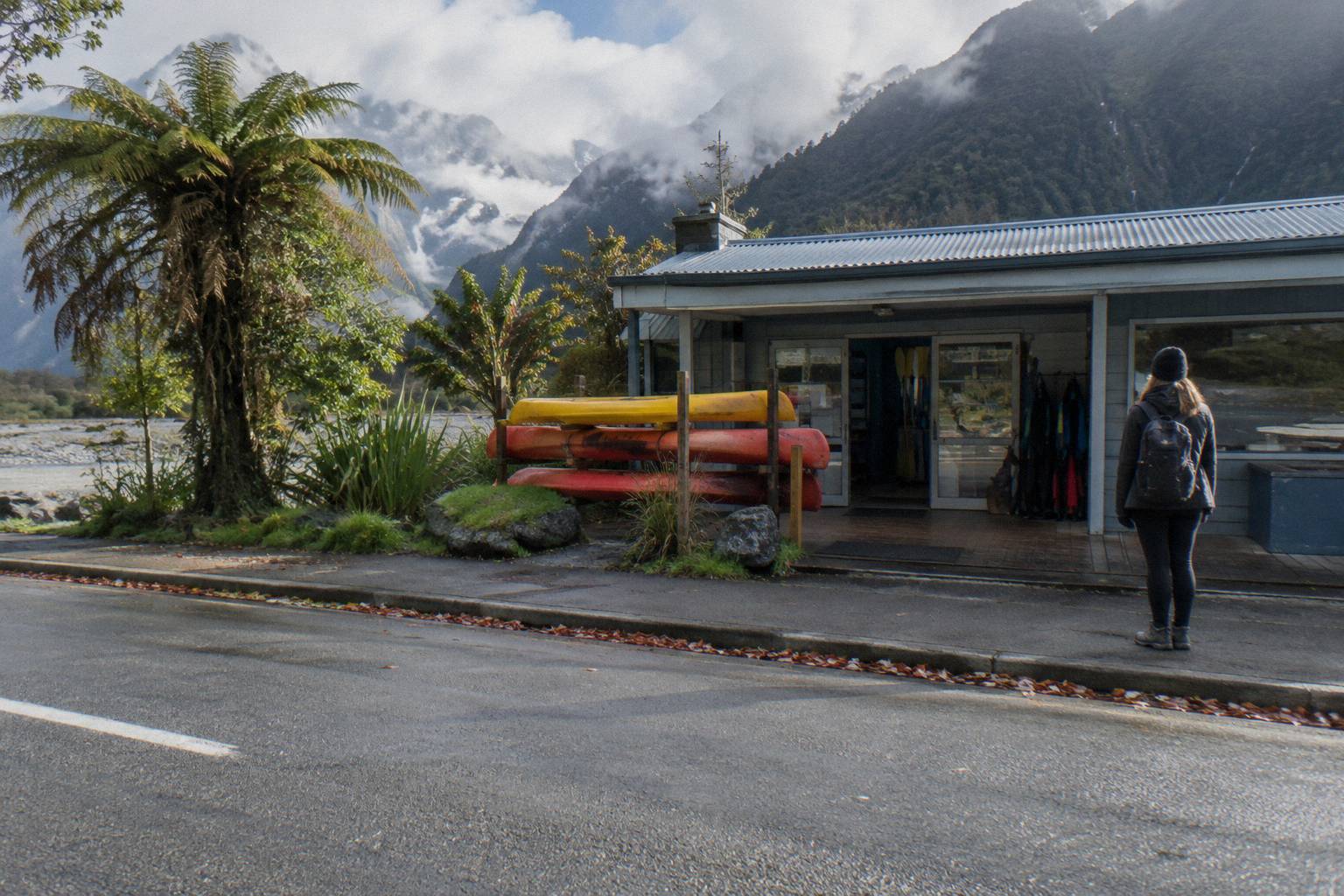
Everything you need on the water is supplied. Here is the split between what the operator provides and what you carry:
| Provided by Okarito Kayaks | Bring yourself |
|---|---|
| Lagoon map and bird guide | Warm quick-drying clothing |
| Buoyancy aid | Rain jacket |
| Spray skirt | Footwear |
| Dry bags | Water and snacks |
| Environmentally friendly insect repellent | Sunscreen |
| Rescue boat on standby | Camera |
| Parking, toilets and hot drinks at the base | Binoculars |
One safety point that applies to any paddle: everyone on a kayak must wear a lifejacket while underway on a craft 6 m and under, a nationwide requirement in force since 9 October 2026 under Maritime NZ's lifejacket rules. On a guided lagoon tour the operator fits and supplies buoyancy aids anyway, so this is automatic, but it is worth knowing the rule is universal rather than operator policy.
A note on timing your arrival, because it ties the whole system together. The operator asks guests to reach the base 10 to 15 minutes before the stated start, which covers fitting buoyancy aids and spray skirts, a briefing, and getting dry bags packed. On a tide-timed departure that buffer is doing real work: the window of best conditions does not wait for latecomers, and the group launches when the water is right. Leave Franz Josef with more slack than you think you need, especially the first time you drive the Okarito road, because the last few kilometres wind through forest and it is easy to underestimate.
Explorer Or Adventurer: Matching The Trip To The Tide Window
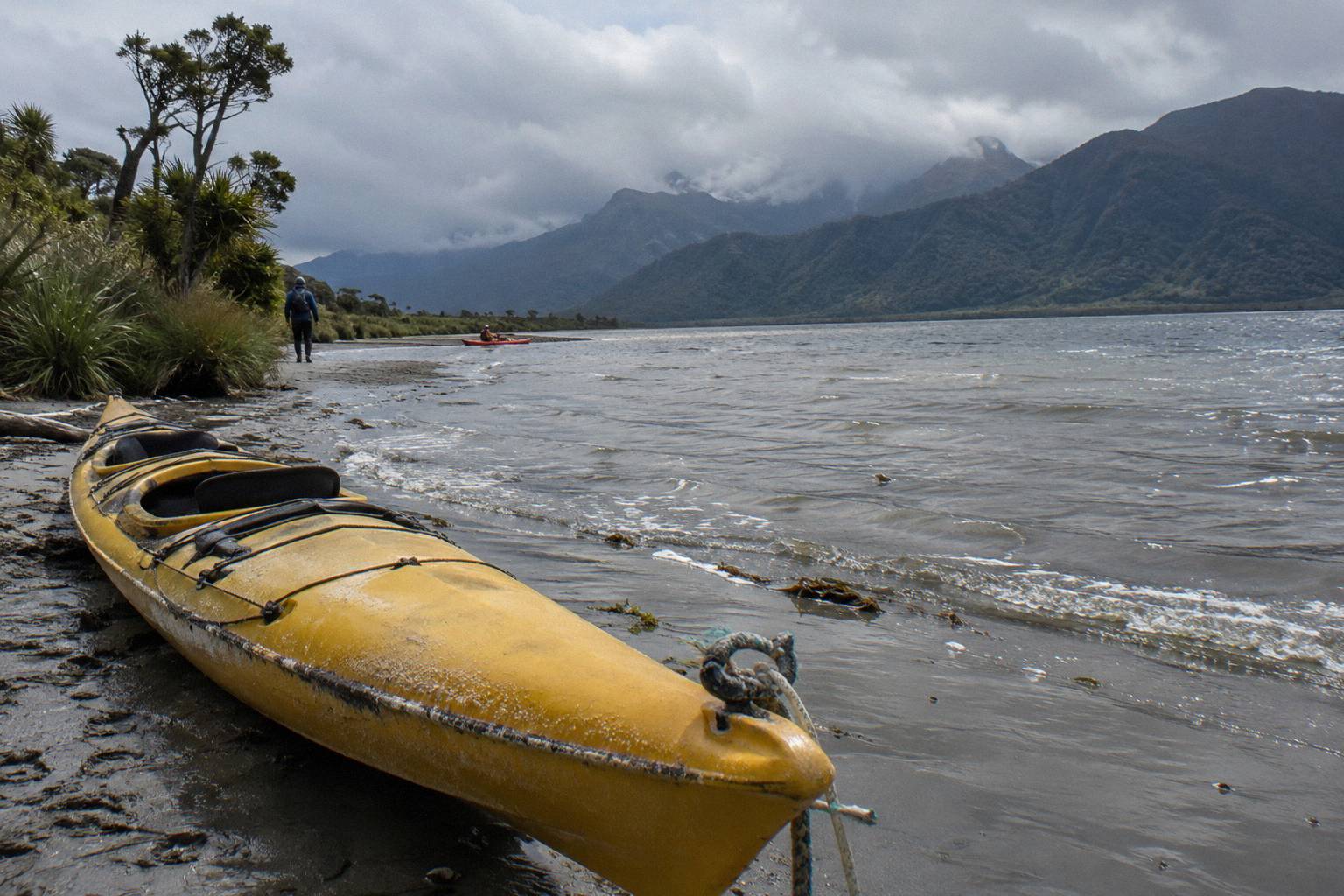
The Okarito Lagoon Kayak Explorer runs 3 hours total with up to 2 hours on the water, from NZ$165 per person. The Lagoon Kayak Adventurer runs 4 hours total with up to 3 hours on the water, from NZ$210 per person, and asks for some fitness and flexibility. Both are tide-timed, small-group trips from the same base.
The difference is time and reach. The Explorer is the shorter commitment, built around roughly two hours of paddling inside a three-hour window that includes briefing and gear. The Adventurer spends up to three hours on the water, pushing further into the lagoon system, and the operator is upfront that it suits people with a bit more fitness and flexibility for getting in and out of a kayak. Neither trip is a race; the lagoon rewards slow paddling and looking.
| Lagoon Kayak Explorer | Lagoon Kayak Adventurer | |
|---|---|---|
| Total duration | 3 hours | 4 hours |
| Time on the water | Up to 2 hours | Up to 3 hours |
| Price | From NZ$165 per person | From NZ$210 per person |
| Rating printed | None | None |
| Effort level | Standard guided pace | Some fitness and flexibility |
| Start time | Tide-timed, on the booking page | Tide-timed, on the booking page |
| Cancellation | Free up to 24 hours, booking page | Free up to 24 hours, booking page |
Prices are in New Zealand dollars and both trips leave from the Okarito Kayaks base at 1 The Strand, with self-arrival and no transfer, which is a genuine contrast with the Franz Josef lake trips where the operator drives you out from its Main Road office. If you are choosing between the two lagoon trips, ask yourself whether three hours of paddling sounds like a treat or a trial, and let that decide rather than the price gap.
It is also worth thinking about how each trip interacts with the tidal window. A longer on-water time means the Adventurer lives through more of the tide's arc, which is part of its appeal: you watch the lagoon change character while you are out on it, channels filling or thinning as the hours pass. The shorter Explorer is designed to sit inside the sweet spot and be back at the base before conditions drift. Neither is a lesser experience; they are different relationships with the same water. Couples with mixed confidence often pick the Explorer precisely because it keeps the commitment modest, while keen photographers lean toward the Adventurer for the extra time with the light.
Kotuku, Tides And Why The Birds Follow The Water
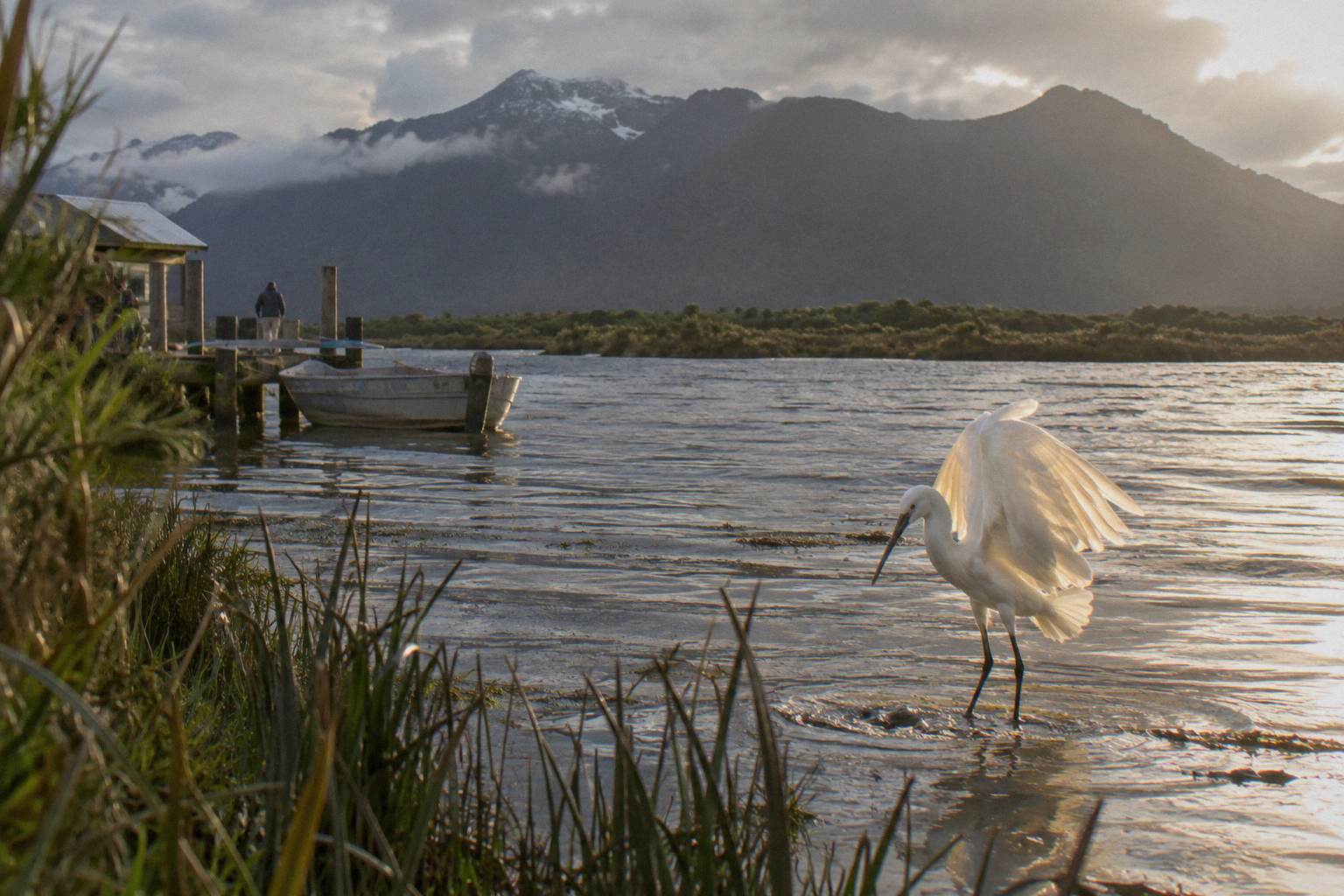
The tides do not just shape your paddle; they shape the wildlife spectacle. DOC notes the white heron, kotuku, breeds only near Whataroa in the Waitangiroto Nature Reserve, from September to February, and in the breeding season the birds feed in coastal lagoons, particularly Okarito Lagoon. Kayaks never reach the nesting site; what kayakers see is kotuku feeding across the lagoon, which the operator calls common year round.
That is a real distinction and worth getting right in your planning. The nesting colony is viewed from a hide on a separate licensed tour run by White Heron Sanctuary Tours from Whataroa, established 1987, with nesting typically from mid September until early March and, by the operator's figures, 150 to 200 birds nationally and up to 50 nesting pairs. The kayak trip is a different experience on different water: you drift past feeding birds in the shallows rather than watch nests. DOC's white heron page describes the colony and its coastal lagoon feeding grounds in full.
Why does this connect to tides? Shallow water and shifting channels expose the fish and invertebrates herons feed on, so the birds work the same moving edges of the lagoon that your guide reads. A tide-timed departure puts you on the water when those edges are active, which is a quiet part of the operator's scheduling logic. Never book expecting a guaranteed sighting; the operator's own wording is that it is common to see the birds feeding, and that is as far as the facts go.
The seasonal layer adds a second dimension. Travel between September and February and you are paddling during the breeding season, when DOC says the kotuku's feeding activity in coastal lagoons is at its peak because the colony near Whataroa is raising chicks. Travel outside those months and the nesting site is quiet, but the lagoon itself still holds resident and visiting birds, and the operator's year-round claim covers exactly this. Binoculars earn their place in your dry bag in either season, and the bird guide supplied at the base turns an idle paddle into something closer to a floating field trip.
What A Tide-Timed Day Does Not Change
Tide timing affects your start hour, not the fundamentals of the trip: the operator runs year round, small groups, a rescue boat on standby and the same gear list whatever the tide does. Free cancellation up to 24 hours applies on the booking page, and the operator cancels or refunds if conditions are unsafe. Rain does not automatically mean cancellation; the West Coast is wet by design.
Franz Josef records a mean annual rainfall of 5,555.2 mm in the NIWA 1991 to 2020 normals, with every single month above 300 mm, so waiting for a dry day is a losing game. The lagoon in light rain, with the dark rainforest doubled in the surface, is arguably the more atmospheric version of the trip. What matters is wind and safety, which is the operator's call, not yours. For more on this, read our piece on when weather actually cancels a kayak tour.
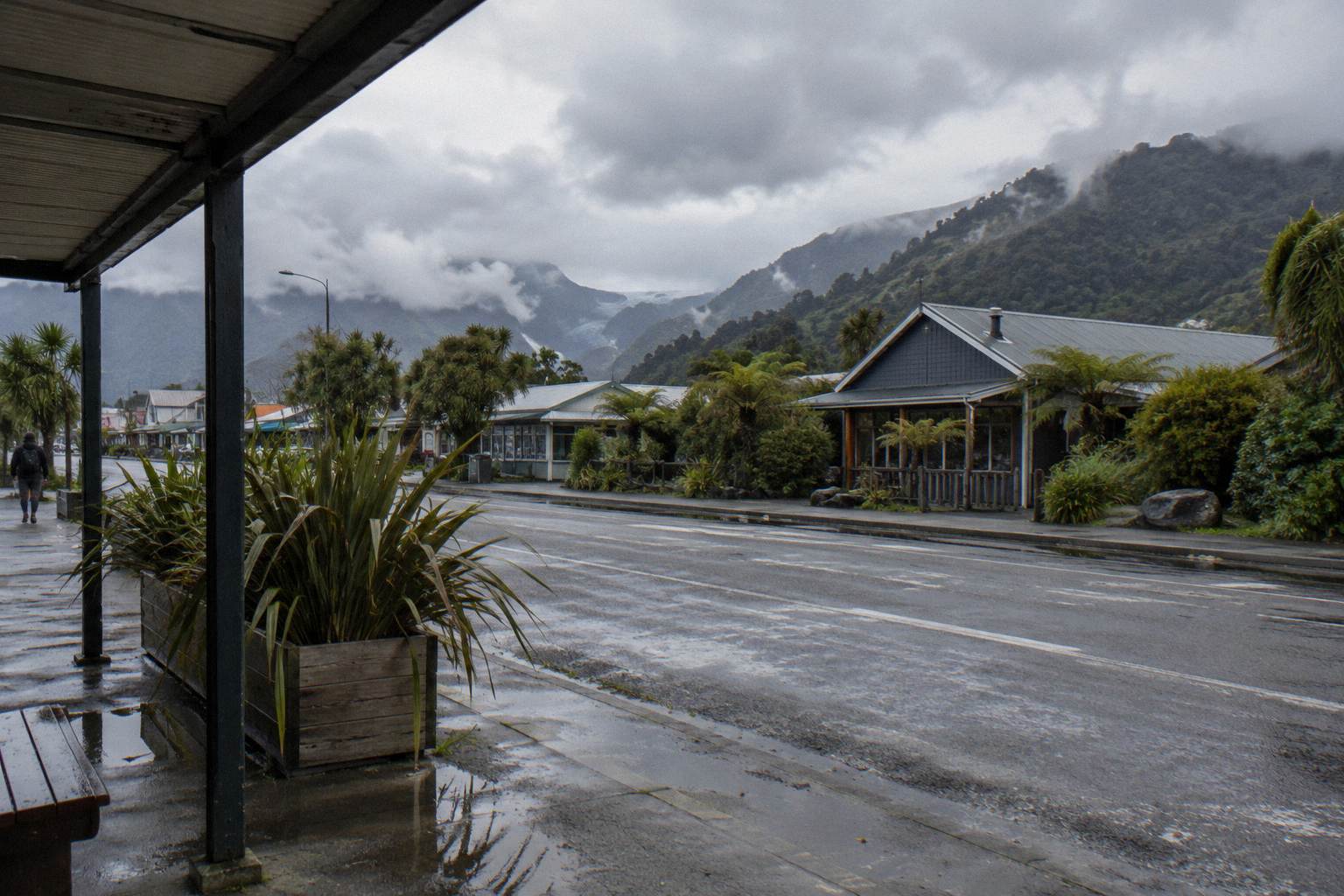
Two other things stay constant. Sandflies appear on the odd cloudy, still day, and the operator supplies environmentally friendly repellent, so you do not need to over-pack for them; DOC's general park advice to carry repellent stands for the wider West Coast. And the lagoon is genuinely shallow in parts, which is precisely why tide timing exists, but your guide chooses routes that suit the day rather than asking you to portage.
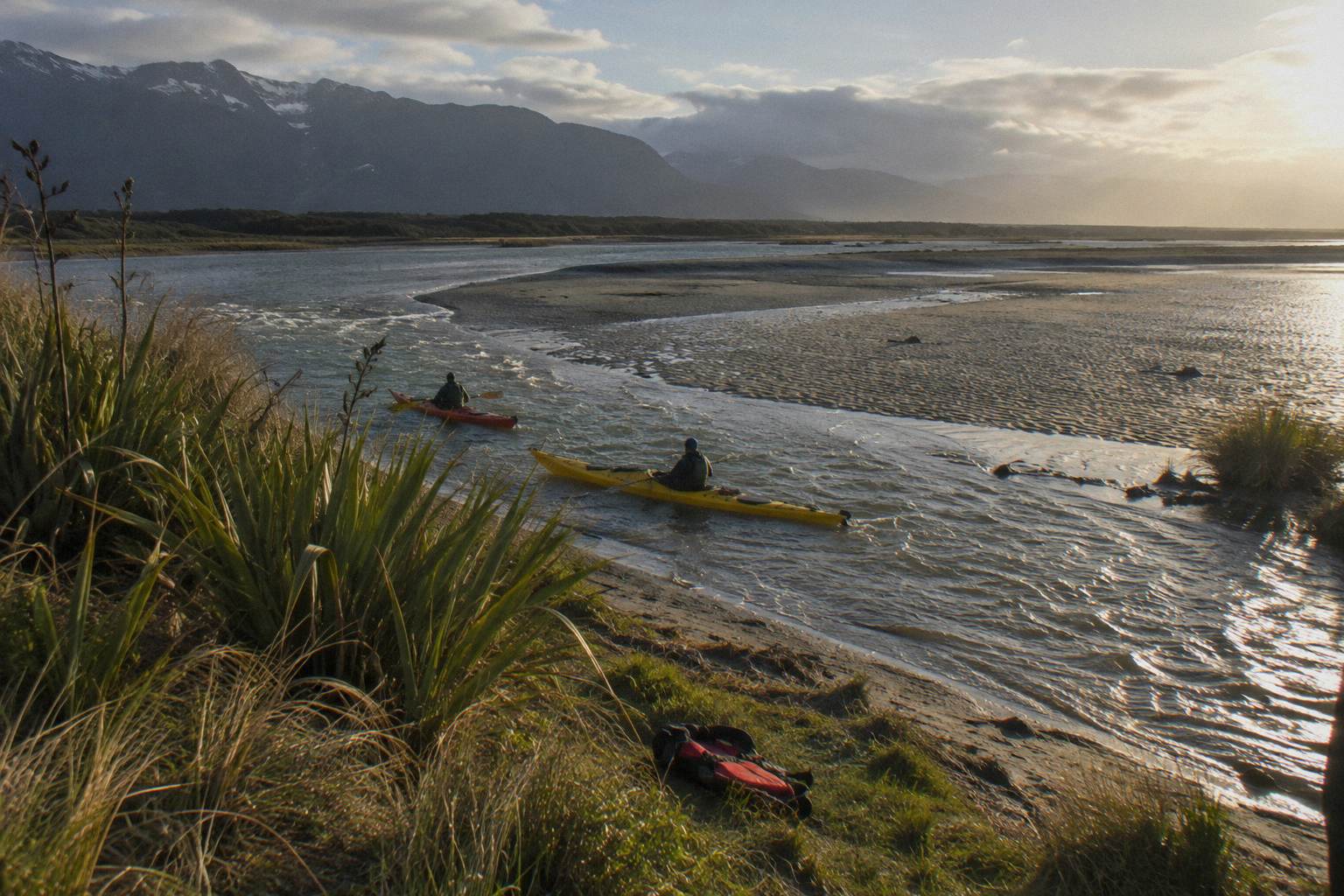
The gear list is also tide-proof. Warm quick-drying layers, a rain jacket and proper footwear serve you identically at 8am and 4pm, and the dry bags supplied keep cameras and spare clothing safe regardless of when you launch. The only items genuinely sensitive to departure time are sun protection and snacks: an early start may feel cool enough to skip sunscreen, but West Coast UV is real even under cloud, and a tide-timed later start can run across what would otherwise be your lunch hour. Pack as though the trip could land anywhere in the day, because on this water it can.
A Checklist Of What To Ask Before You Book
Before booking any Okarito lagoon paddle, confirm five things: the departure time shown for your date, whether two adults are yet booked so the departure confirms, the total duration versus time on the water, what happens if the operator moves the start time, and how you will get to Okarito in time. Each answer comes from the booking page or the operator, not from tide tables.
That last clause matters. Because the operator deliberately publishes no tide heights and no times beyond each day's departure, any planning you do from a public tide app is guesswork layered on top of local knowledge you do not have. Ask instead:
| Question | Why it matters | Where the answer lives |
|---|---|---|
| What start time is listed for my date? | Tide-timed departures vary day to day | Booking page |
| Is the departure confirmed? | Two adults minimum before a departure runs | Booking page or operator |
| How long is the whole trip, including briefing? | Explorer totals 3 h, Adventurer 4 h | Booking page |
| What is the cancellation window? | Free up to 24 hours on the booking page | Booking page |
| How do I get to the base? | Self-arrival, 1 The Strand, about 25 min from Franz Josef | Operator site |
If tides feel like one complication too many on a short stay, the lake alternative removes them entirely. The Lake Mapourika 3-Hour Kayak Tour runs to a fixed timetable with a courtesy transfer from the Franz Josef office, from NZ$159 per person, rated 4.9 from 400+ reviews, and it is the trip with the most reviews here. Fixed summer sessions on the lake include a 5pm departure, and winter sessions run morning and early afternoon. Our comparison guide on choosing Lake Mapourika or Okarito Lagoon works through the whole decision.
There is one more angle worth weighing if you are paddling with a family. The lake operator runs a courtesy transfer from its Main Road office and takes children on its guided trips, which removes both the drive and the arrival-timing pressure, while the lagoon operator has no age limits at all but needs you to make your own way to a village with no shop. Neither set-up suits every family; the lagoon rewards travellers who enjoy a small logistical adventure, and the lake rewards those who want the logistics handled. Tide timing is one input into that choice, not the whole of it.
Whether you end up on the lagoon or the lake, book the date and let the operator own the clock. On tidal water that division of labour is not a marketing convenience, it is the whole system working as designed. Current prices and departure details for both waters are kept together at Franz Josef Kayak Tours, and a related read is our guide to kayaking Okarito Lagoon end to end.
Common Questions About Okarito Lagoon Tides
Do Tides Matter For An Okarito Lagoon Kayak Tour?
Yes. The lagoon is shallow and tidal, and Okarito Kayaks schedules tour and rental start times around the best tidal conditions for any day. The departure time for your date is on the booking page; you do not need to read tide tables yourself.
Do I Need To Check Tide Tables Before Booking?
No. The operator does that work and publishes each day's start time on the booking page. Book the date you want, then read the listed departure and plan your drive to Okarito around it.
Can A Tide-Timed Tour Be Cancelled?
Free cancellation up to 24 hours applies on the booking page for all the trips we cover. The operator may also cancel or move a departure for unsafe conditions, with a refund, and guided departures need a minimum of two adults booked to confirm.
Will The Tide Timing Affect How Long I Paddle?
The structure stays fixed: the Explorer totals 3 hours with up to 2 on the water, the Adventurer 4 hours with up to 3 on the water. Tides shift when the trip starts, not how long it runs.
Does Lake Mapourika Have Tides Too?
No. Lake Mapourika is a freshwater lake about ten minutes north of Franz Josef, running to fixed timetables that differ between summer and winter, with a courtesy transfer from the township office. The tidal water is Okarito Lagoon, about 25 minutes north.
Can I See White Herons Nesting From A Kayak?
No. The nesting colony near Whataroa is viewed from a hide on a separate licensed tour. From a kayak on the lagoon you can see kotuku feeding, which the operator describes as common year round, but no kayak trip reaches the colony.