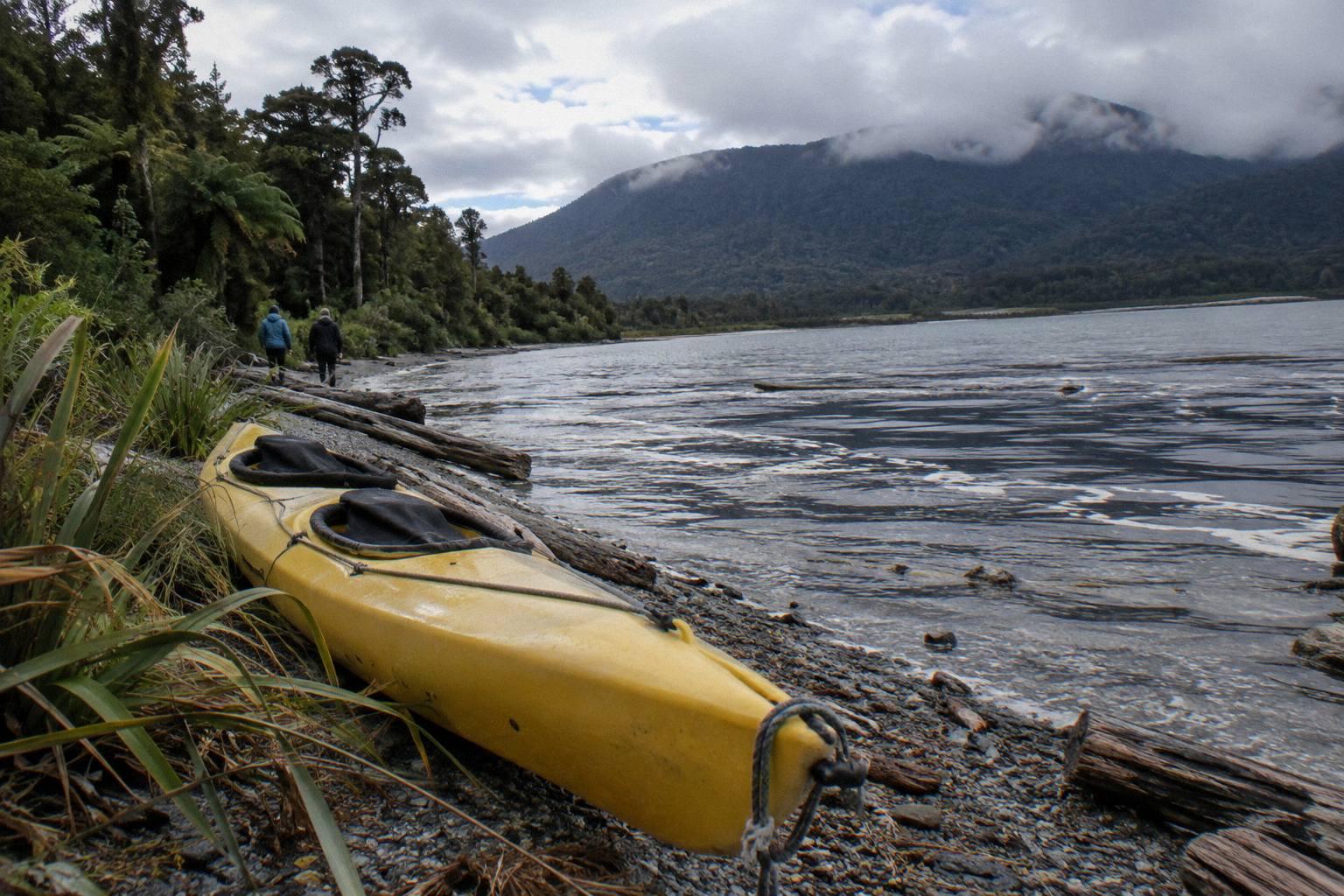
Okarito Lagoon Kayak Tours: Tides, Birds And The Paddle
Okarito Lagoon is a shallow, tidal arm of the West Coast, paddled by a single family-run operator whose departure times follow the tide rather than the clock. Here is what the two guided trips actually offer, what they cost, and how to plan the day around them.
Short answer
Okarito Kayaks runs two guided lagoon trips: the Explorer, 3 hours total with up to 2 hours paddling, from NZ$165 per person, and the Adventurer, 4 hours with up to 3 hours paddling, from NZ$210. Both are tide-timed, need two adults booked to confirm, and you drive yourself to the base at 1 The Strand, Okarito.
Okarito sits at the end of a 10 kilometre sealed road off State Highway 6, roughly 25 minutes north of Franz Josef, and the village that greets you is small: the operator counts about 40 permanent residents, DOC says around 30, and there is no shop and no restaurant. What the village does have is a lagoon, shallow and tidal, ringed by kahikatea forest and channels that a family business has been guiding people through for over thirty years. Here we lay out the two guided trips run by Franz Josef Kayak Tours' reviewed operator Okarito Kayaks, how the tide shapes every departure, what a paddle here can show you, and how the day compares with the Lake Mapourika options closer to Franz Josef township.
The business behind the trips is worth knowing because it explains the character of the lagoon experience. Okarito Kayaks is family run by Gemma and Baz, who took it over in 2014 from Edwina and Rich, and the operation itself has been renting kayaks and guiding travellers on the lagoon for over three decades. That continuity matters on a tidal water: the people setting your start time have watched thousands of tides come and go, and their scheduling judgement is the quiet product underneath everything else on the booking page.
What Is Paddling Okarito Lagoon Actually Like?
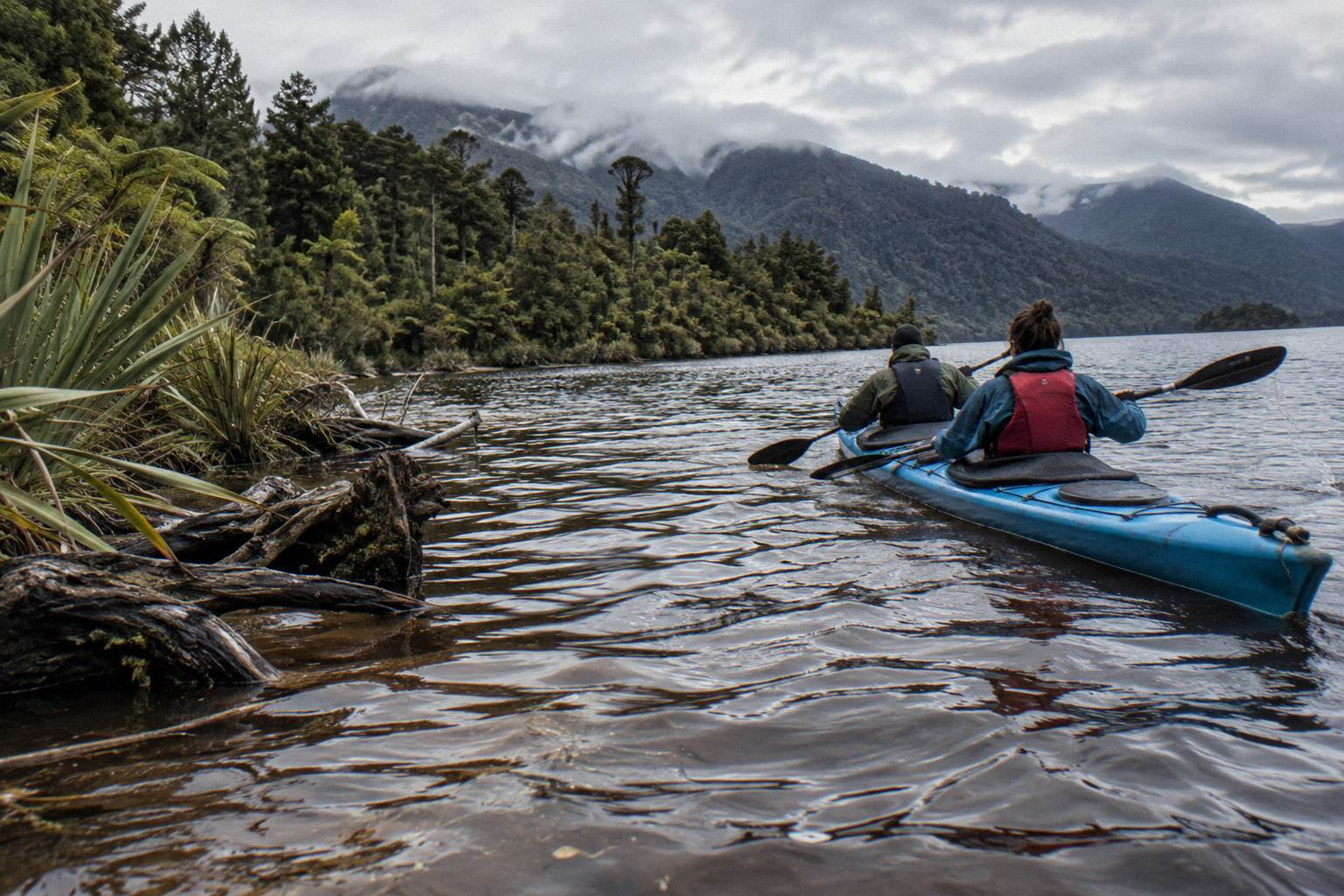
The lagoon is a shallow, tidal estuary rather than open water, so the experience is closer to drifting through wide, silent channels than to a workout against wind and chop. Okarito Kayaks times every guided departure around the tide, keeps groups small, and provides a lagoon map, bird guide, buoyancy aid, spray skirt, dry bags and a rescue boat on standby. Expect birdlife, still water and a slow pace.
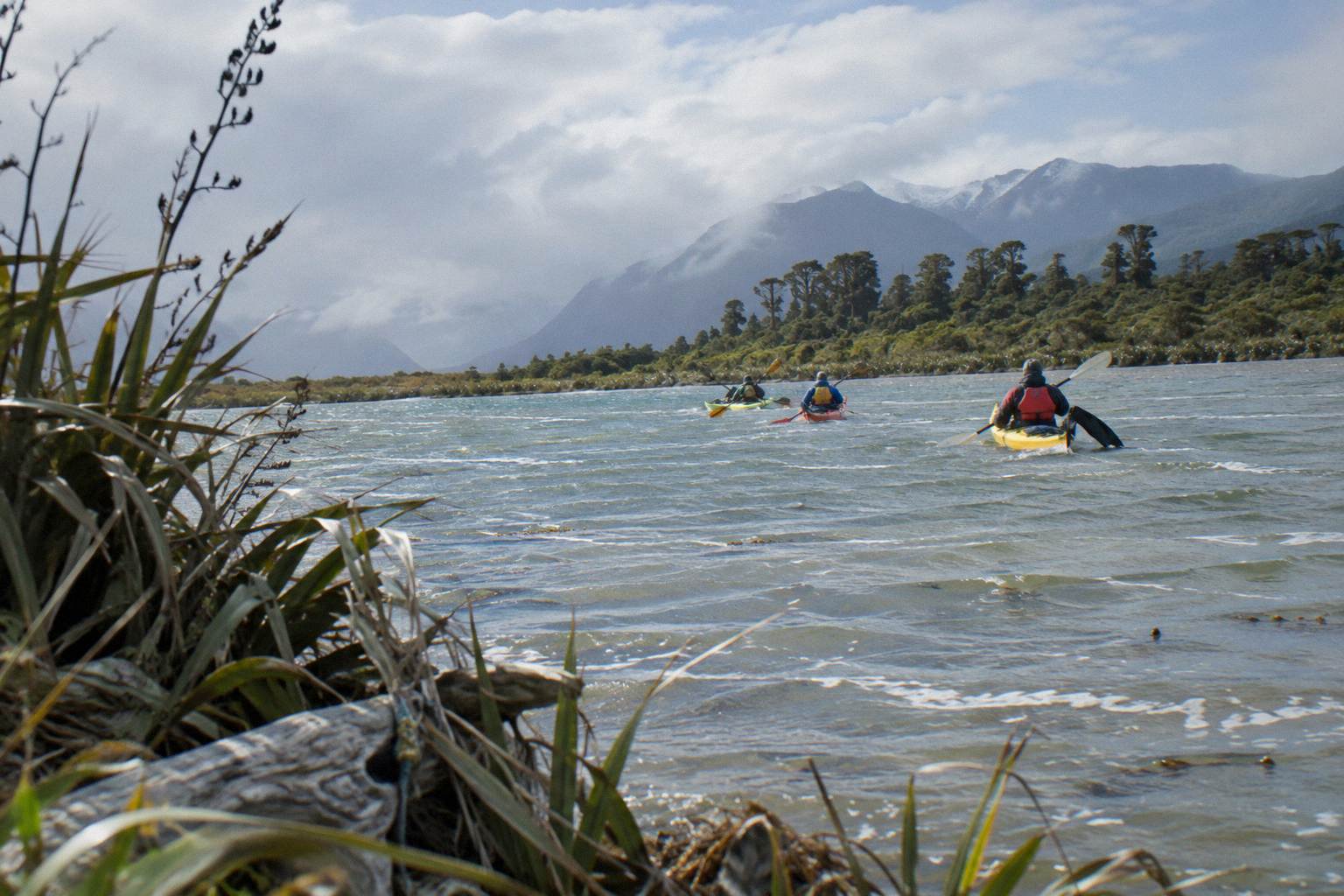
The paddling itself is framed by the tide. Because the lagoon is shallow, the operator schedules tour and rental start times around the best tidal conditions for any given day, which means the departure time on your booking page is the product of local knowledge rather than a fixed timetable. You arrive 10 to 15 minutes before your start at the base at 1 The Strand, get a briefing and your gear, and launch from there. There is parking at the base, toilets, and hot drinks, which matters more than it sounds on a Coast morning.
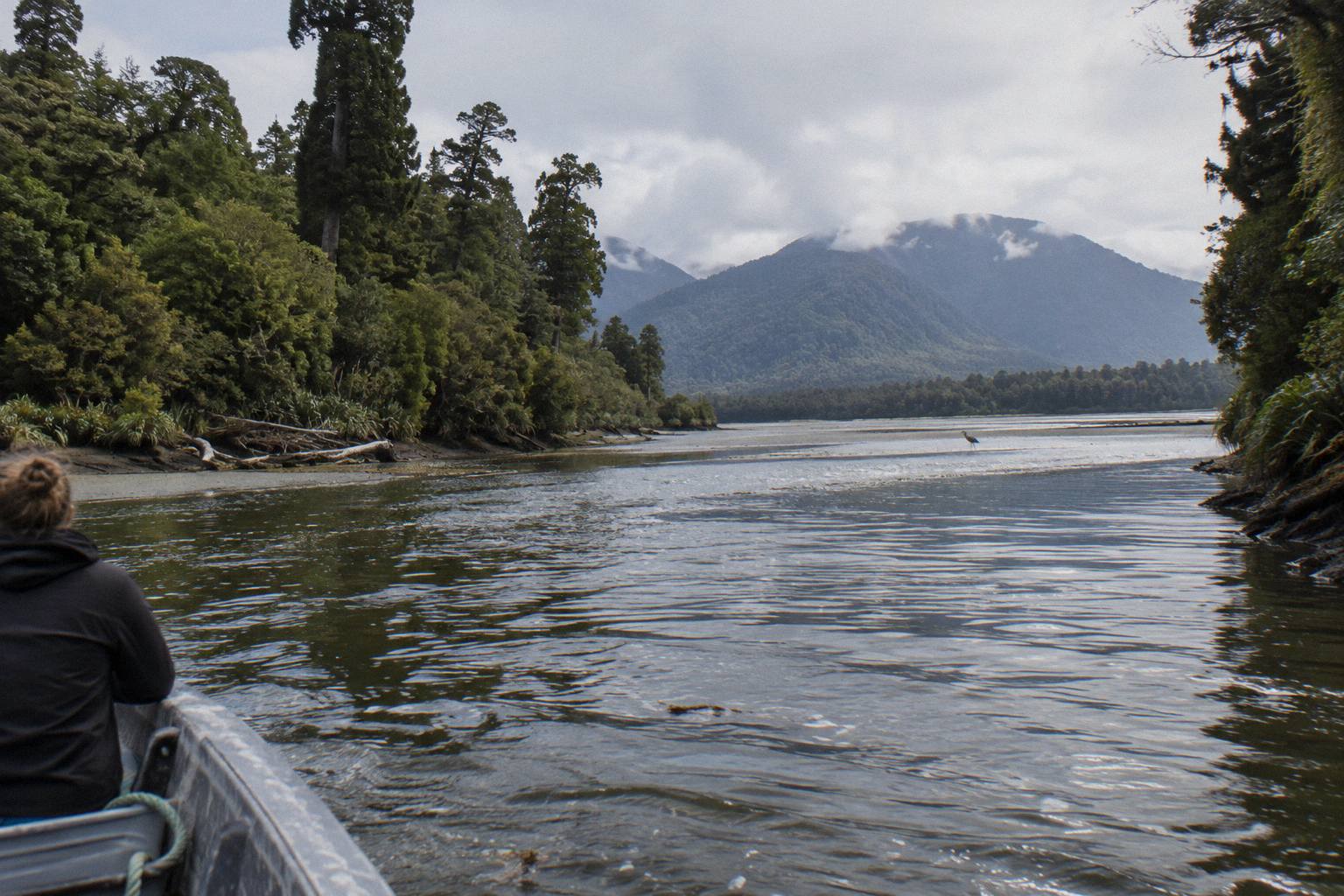
The setting is the draw. The lagoon sits beside a village that DOC describes as a coastal settlement, with the forest of the surrounding wetland coming right down to the waterline. On still days the reflections can be striking, though like every West Coast water, calm mirror conditions are never guaranteed and depend on the weather you are handed. The operator has won the NZ Tourism Environment Award 2026 and frames its trips around the lagoon's ecology, so the commentary leans toward birds, tides and the forest rather than adrenaline.
Weather shapes the mood more than the mechanics. Light rain is a normal condition here rather than a cancellation trigger, and a rain jacket plus the supplied dry bags keep it from mattering much; our piece on kayaking in the rain near Franz Josef covers how a wet day on the water actually plays out. What stops a trip is safety, and that call belongs to the operator, not to your enthusiasm.
If you are still weighing the two West Coast paddling waters against each other, our Lake Mapourika or Okarito Lagoon comparison breaks down the differences in operator, water and logistics side by side.
Explorer Or Adventurer: Which Okarito Kayaks Trip Fits?
The Explorer is 3 hours in total with up to 2 hours on the water, from NZ$165 per person, and suits paddlers who want the lagoon without a long commitment. The Adventurer is 4 hours total with up to 3 hours on the water, from NZ$210, and the operator says it needs some fitness and flexibility because it pushes further into the lagoon's channels. Both are small-group and tide-timed.
Decide on the stated facts instead, chiefly time on the water and the fitness note.
| Lagoon Kayak Explorer | Lagoon Kayak Adventurer | |
|---|---|---|
| Total duration | 3 hours | 4 hours |
| Time on the water | Up to 2 hours | Up to 3 hours |
| Price (from, per person) | NZ$165 | NZ$210 |
| Effort level | Standard guided paddle | Some fitness and flexibility needed |
| Rating shown here | No score shown | No score shown |
| Minimum to confirm | Two adults booked | Two adults booked |
| Start point | 1 The Strand, Okarito (self-arrival) | 1 The Strand, Okarito (self-arrival) |
The practical difference is reach. With up to three hours of paddling, the Adventurer can spend longer working into the further corners of the lagoon where the channels narrow and the birdlife concentrates, and that is also why the operator attaches a fitness and flexibility condition to it: kneeling, tighter turns and a longer spell in the boat. The Explorer keeps the same environment and the same guiding but turns for home an hour earlier, which suits families, time-pressed travellers and anyone unsure how their shoulders feel after two hours of paddling.
For a first taste of the lagoon, the shorter trip is rarely a compromise; for photographers and birders, the extra hour is the whole point.
What Do The Okarito Kayaks Trips Cost And What Is Included?
The Explorer starts at NZ$165 per person and the Adventurer at NZ$210, prices in New Zealand dollars, with free cancellation up to 24 hours before on the booking page for both. Gear is supplied: lagoon map and bird guide, buoyancy aid, spray skirt, dry bags, environmentally friendly insect repellent, and a rescue boat on standby. You bring clothing, food and drink.
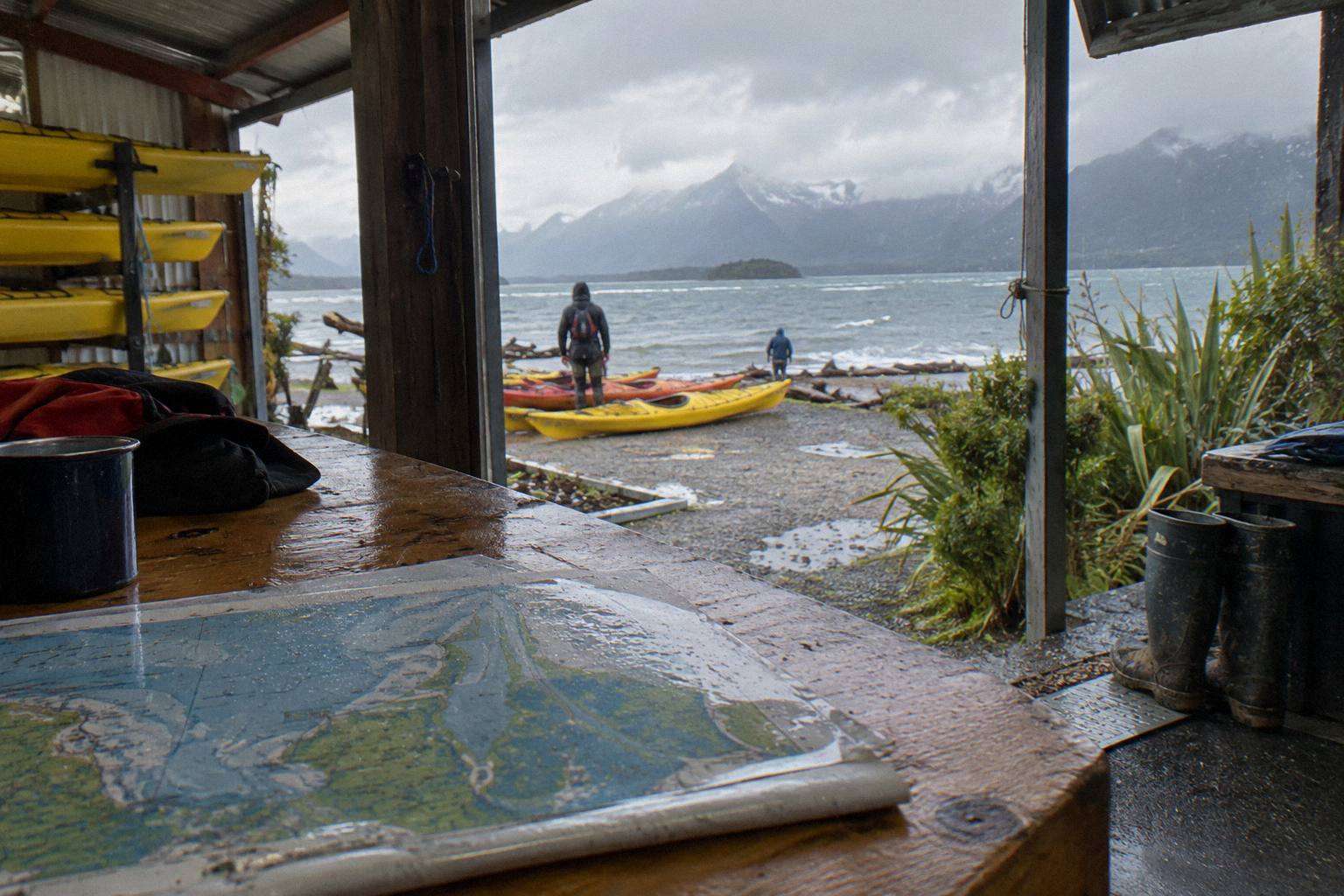
Both listings carry the same cancellation terms on the booking page, free up to 24 hours before the trip. A departure itself is only confirmed once at least two adults are booked, so a single traveller may find a trip either fills around them or does not run; never count on a solo departure being confirmed. The operator trades year round, so the lagoon is not purely a summer proposition, though start times shift with the seasons and the tide.
Guided trips have no minimum or maximum age by the operator's own rules, and under-18s pay half price on guided trips. There are physical limits printed on the booking pages: people over 200 cm (6 ft 6 in) or over 125 kg (275 lb) are excluded from the guided trips. No other weight, pregnancy or medical rule is stated anywhere we can verify, so if any of those apply to your group, ask the operator directly before booking rather than assuming.
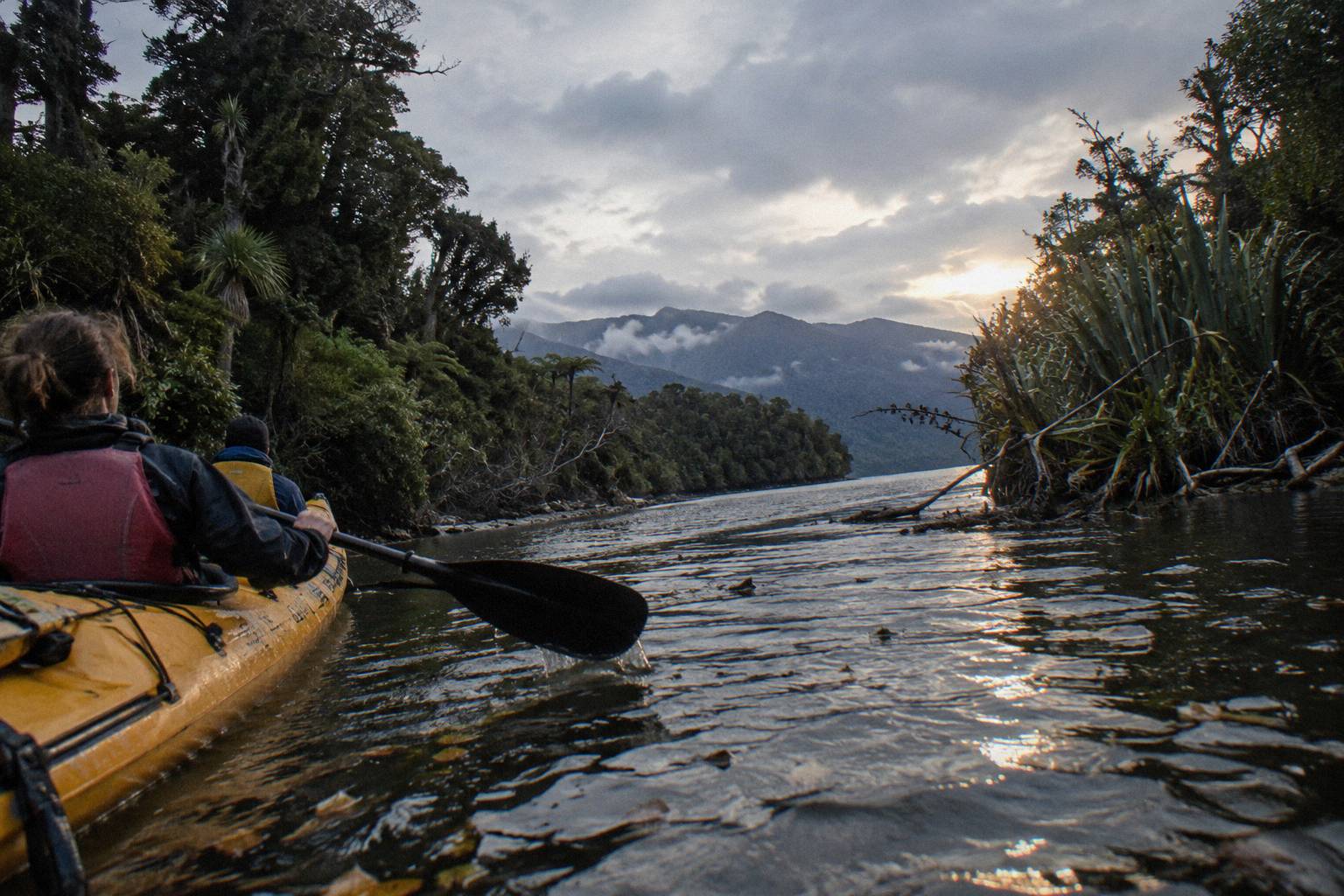
The kit list does a lot of work here. The spray skirt and dry bags mean cameras and spare layers can come along, the bird guide turns an idle paddle into a working checklist, and the insect repellent is the operator's own environmentally friendly supply, a small detail that reflects its award-winning environmental posture. A rescue boat on standby is standard safety practice on a tidal lagoon, and it is worth knowing it is there.
Beyond the guided trips, the same operator runs freedom rental for experienced paddlers, with briefings and launches adding about 30 minutes and marked routes to follow across the lagoon, plus overnight kayak rentals for those with wilderness camping experience. Those options suit confident, self-sufficient kayakers; everyone else is better served by a guide who knows which channels hold water at which tide.
For readers planning a full West Coast paddling itinerary rather than a single morning, the kayak and walk combos on the West Coast guide shows how a lagoon trip can pair with rainforest walking days.
How Do Tides Shape Your Start Time?
Okarito Lagoon is shallow and tidal, and Okarito Kayaks states that its tour and rental start times are scheduled around the best tidal conditions for any day. That is the only reliable tide fact: the right departure time for your date is printed on the booking page, not guessed from a tide table. There is no published rule about which tide is better.
It is tempting to look up the tide chart for Okarito and reason out the ideal hour yourself. Resist it. The operator's scheduling already folds in the tide, the channel depths and the wind shelter of different arms of the lagoon, and it revises start times day to day accordingly. When you book, the listing assigns you a time; that assignment is the local knowledge you are partly paying for.
The same tide-timed logic applies to renters as much as guided guests, which tells you how central the water's rhythm is here. A shallow lagoon that drains and fills daily simply cannot support a fixed timetable: the channels that carry a kayak at mid tide can be mudflat at low and a stiff paddle against the current at the wrong hour. That is why the departure time on the booking page varies from day to day, and why two visitors a week apart can report completely different schedules for what is nominally the same trip.
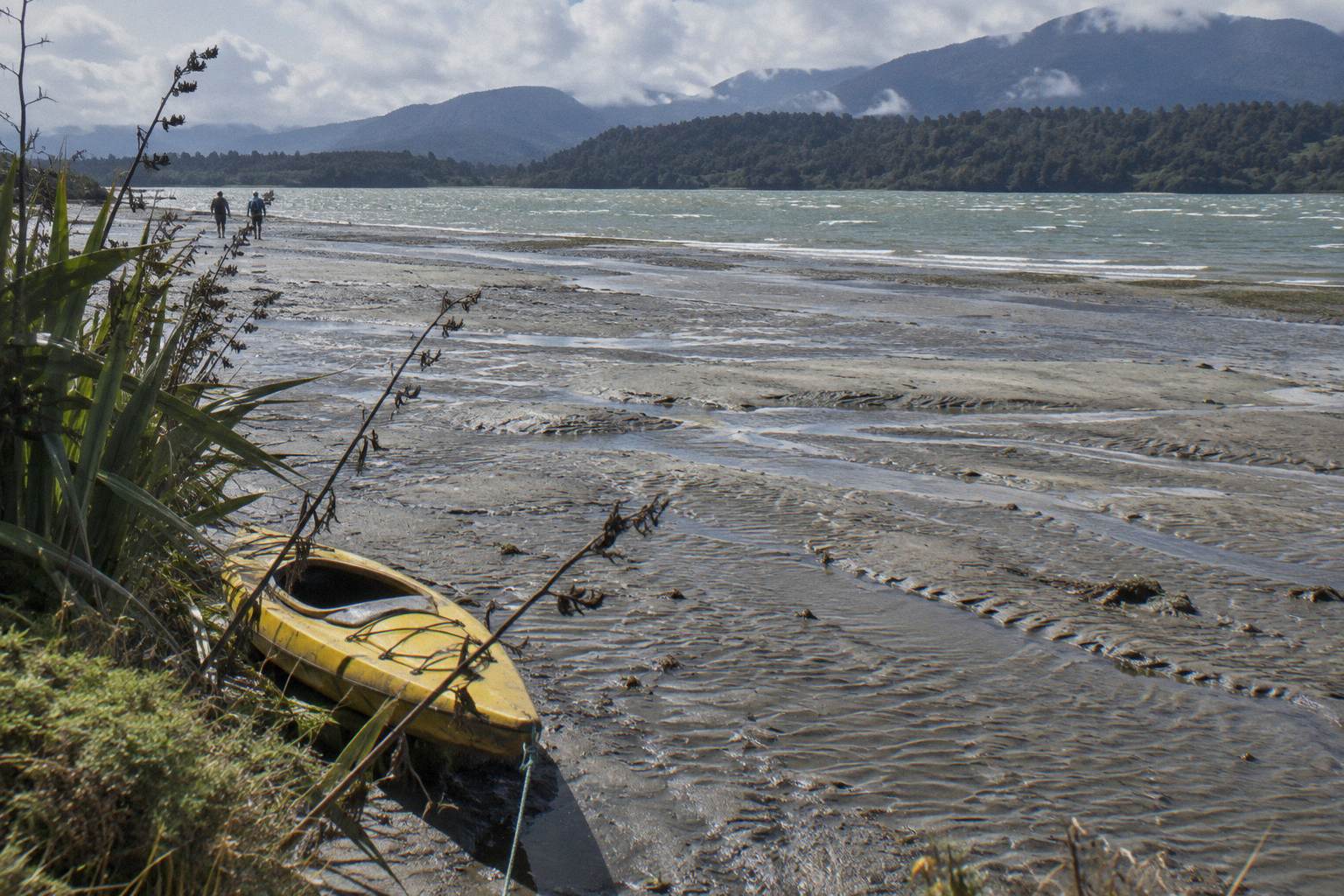
The planning consequence is simple: treat the trip time as flexible until booked, and build the rest of your day around it rather than the reverse. If your schedule is tight, book early so the assigned time is locked in, since free cancellation up to 24 hours before means an early booking costs you nothing if plans shift. Our blog post on Okarito Lagoon tides and kayaking goes deeper on why tide-timed departures beat fixed timetables.
What Wildlife Can You See From A Kayak On The Lagoon?
The signature bird is the kotuku, the white heron. DOC states the only New Zealand breeding colony is at Waitangiroto near Whataroa, and in the breeding season, September to February, the birds feed in coastal lagoons, particularly Okarito Lagoon. Kayaks never reach the nesting site: you see kotuku feeding, and the operator says they are seen in the lagoon year round, never promised.
That distinction matters and is worth being precise about. The nesting colony itself is viewed from a hide on a separate licensed tour run by White Heron Sanctuary Tours from Whataroa, a company established in 1987, with nesting typically from mid September to early March and, by its own figures, 150 to 200 birds nationally and up to 50 nesting pairs. That is a walk-and-hide tour, not a kayak, and not on Lake Mapourika either.
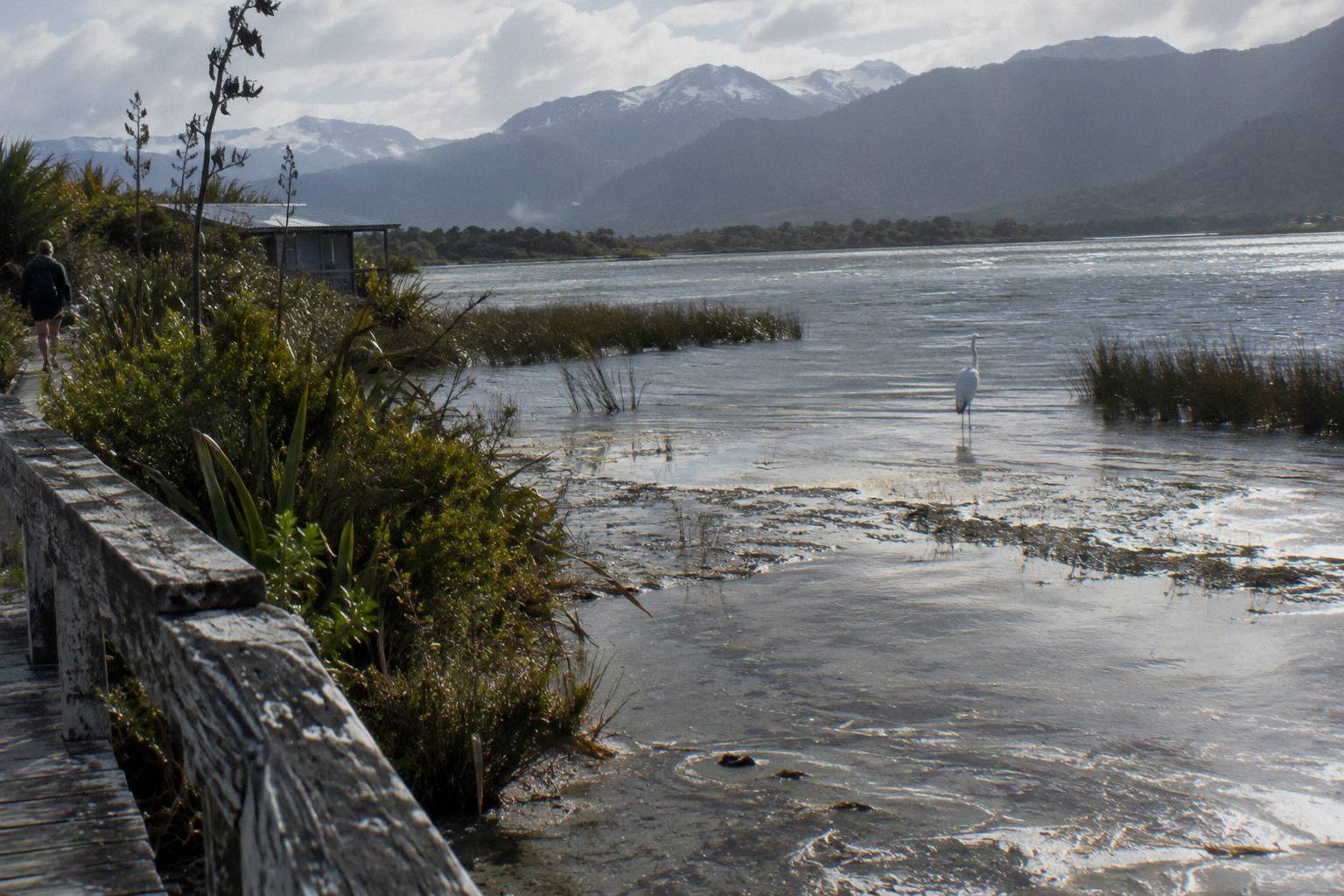
From the kayak, the experience is wilder and less certain, which is its own appeal. The operator's wording is that while you cannot access the nesting site by kayak, it is common to see these graceful birds feeding throughout the lagoon year round. Bring binoculars, which appear on the operator's own bring list for exactly this reason. Beyond the kotuku, the lagoon map and bird guide supplied with every trip point you toward the wetland's wider cast, and the wildlife on a West Coast kayak paddle post covers what else keeps turning up on these waters. DOC's own page on the white heron (kotuku) is the primary source for the colony and its feeding habits.
Timing and patience do the rest. Feeding birds work the shallows at distance, so a slow, quiet approach with the engine of nothing but a paddle is precisely why a kayak outperforms a walk on the shore here. Morning light on still water doubles the viewing distance through reflection, and the guide's route choices are tuned to where birds have been working, which is knowledge you cannot download from a map.
Who Can Paddle The Okarito Trips?
By the operator's rules there is no minimum or maximum age on guided lagoon trips, under-18s pay half price, and at least two adults must be booked to confirm a departure. The booking pages exclude anyone over 200 cm or over 125 kg. The Adventurer additionally requires some fitness and flexibility. No other restrictions are stated, so check specific health questions with the operator.
The age freedom is unusual on the Coast and is the main family argument for Okarito. Compare the neighbouring water: the 3-hour Lake Mapourika tour takes children 3 and over in stable double kayaks with no experience needed, and the Kayak And Walk combo has a minimum age of 4 on the booking page. On the lagoon, the operator simply draws no age line at all, leaving the judgement to parents and guides, though every paddler still needs to manage a tide-timed session in a small craft.
The two hard limits are physical. Height over 200 cm and weight over 125 kg are both printed exclusions on the guided lagoon booking pages, likely tied to cockpit and spray skirt fit. Beyond that, the operator states nothing further about pregnancy, medical conditions or swimming ability, so raise anything relevant when booking; a buoyancy aid is supplied and worn, and a rescue boat stands by, but none of that substitutes for telling your guide about a condition that matters.
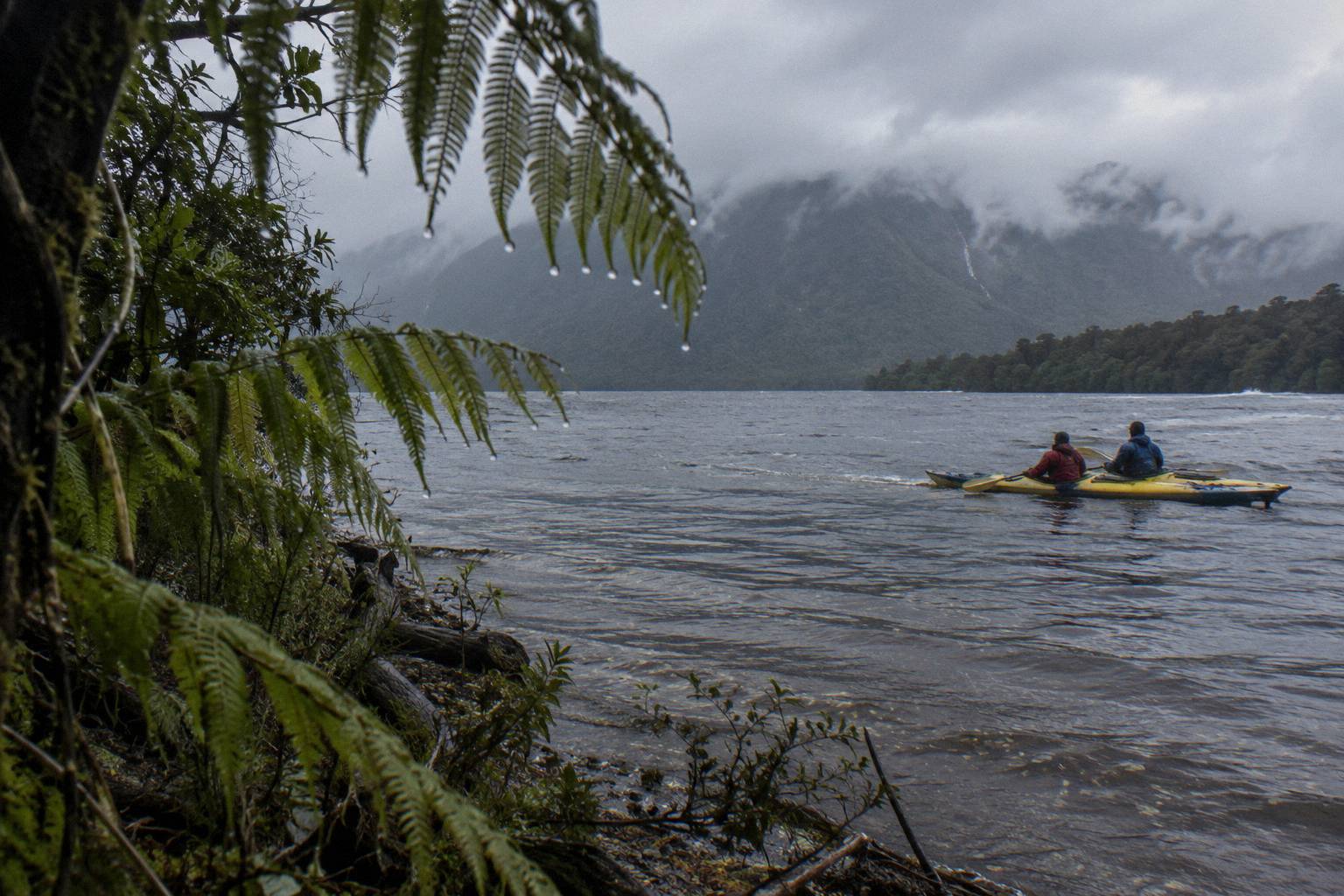
Fitness-wise, the Explorer asks only for a normal morning's paddle, while the Adventurer's extra hour brings the operator's own caveat about fitness and flexibility. If your group spans abilities, the Explorer is the safer common denominator, and nervous paddlers may find our piece on nervous paddlers and safety a useful read before choosing. Complete newcomers worried about technique should know that no prior experience is assumed on guided trips; the briefing covers the strokes, and the tide-timed route keeps the water manageable.
What Should You Bring, And What About Sandflies?
Bring warm quick-drying clothing, a rain jacket, footwear, water, snacks, sunscreen, a camera and binoculars; the operator supplies the paddling kit, dry bags and repellent. Sandflies are real on the Coast: DOC warns they are prevalent in the park, and Okarito Kayaks mentions them on occasional cloudy, still days, providing environmentally friendly repellent. Bring your own as well.
The West Coast climate rewards over-packers. Franz Josef records a mean annual rainfall of 5,555.2 mm in the NIWA 1991 to 2020 series, with every single month averaging above 300 mm, so a dry, warm day is a bonus rather than a baseline. Quick-drying layers and a proper rain jacket do more for your trip than any other clothing choice, and footwear you do not mind splashing rounds it out.
| Item | Why | Supplied? |
|---|---|---|
| Warm quick-drying layers | Rain and wind off the lagoon; NIWA mean annual rainfall 5,555.2 mm | No, bring your own |
| Rain jacket | Standard Coast weather protection | No, bring your own |
| Footwear | Wet launch area and tidal flats | No, bring your own |
| Water and snacks | 3 to 4 hour trip with no shop in Okarito | No, bring your own |
| Sunscreen | Reflected light off open water | No, bring your own |
| Camera and binoculars | Kotuku and wetland birdlife | No, bring your own |
| Buoyancy aid, spray skirt, dry bags | Safety and gear protection | Yes, included |
| Lagoon map and bird guide | Navigation and identification | Yes, included |
| Insect repellent | Sandflies on still, cloudy days | Yes, environmentally friendly supply |
On sandflies, the attributions are specific and worth keeping straight. DOC's park guidance says to carry warm and waterproof clothing and insect repellent as sandflies are prevalent, and its Lake Matheson page warns they can be fierce there. Okarito Kayaks mentions them on occasional cloudy, still days and hands out repellent. The operator on Lake Mapourika says nothing about sandflies on its own pages, though its booking page lists insect repellent among inclusions. Our sandfly repellent for Lake Mapourika post covers what actually works.
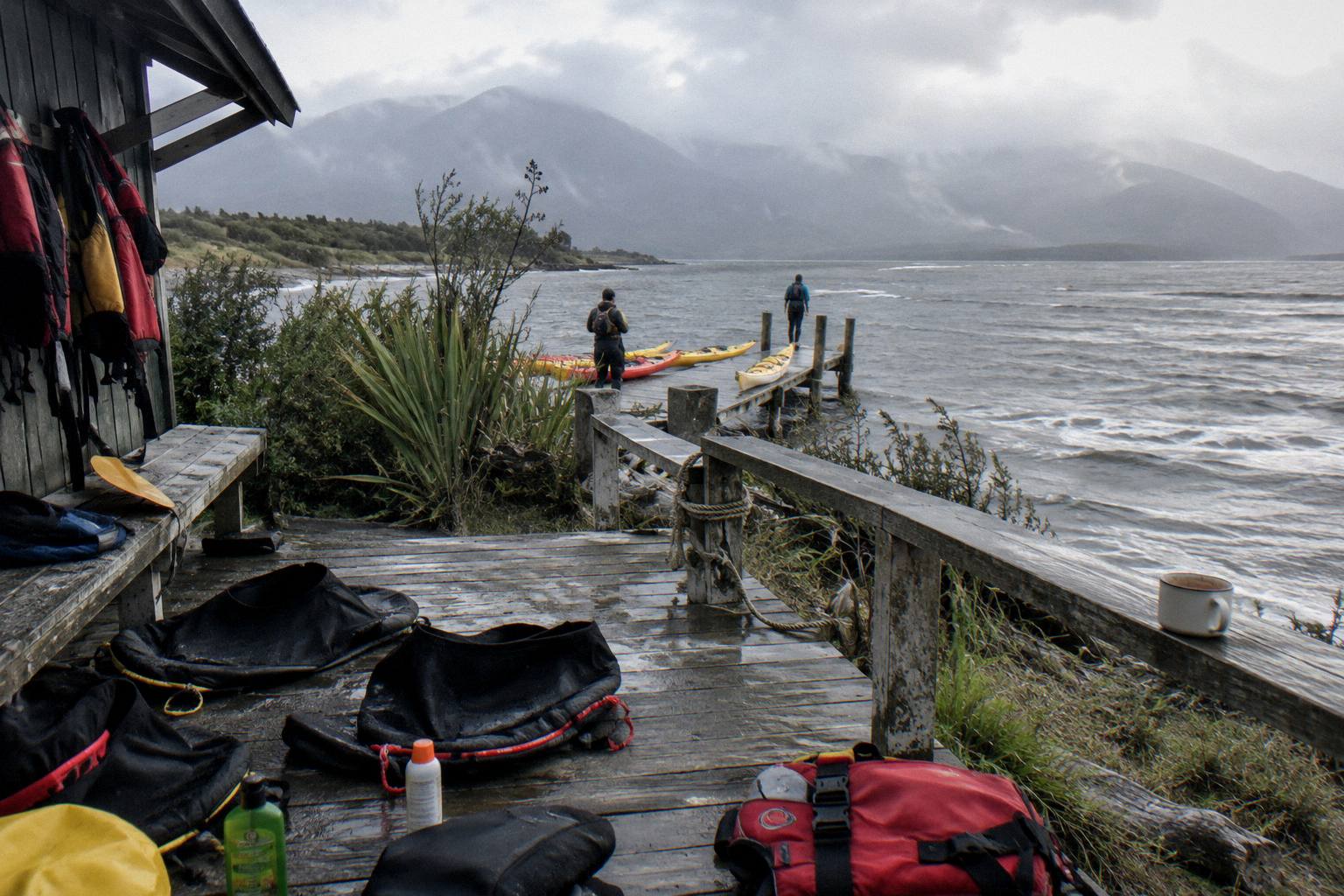
One further safety note that applies to any kayak on New Zealand water: from 9 October 2026, Maritime NZ requires everyone on a recreational craft 6 metres and under, kayaks included, to wear a lifejacket while underway. On these guided trips a buoyancy aid is supplied and worn anyway, so nothing changes for you, but it is the national rule behind the practice, detailed on the Maritime NZ lifejacket changes page. Maritime NZ also advises carrying two waterproof ways to call for help and checking the marine forecast before heading out, habits worth borrowing even on a guided trip.
Getting To Okarito And Filling The Rest Of The Day
Okarito is 10 km off SH6 on a sealed road, about 25 minutes north of Franz Josef, and you drive yourself: there is no transfer on the lagoon trips, unlike the Lake Mapourika tours which include a courtesy transfer from the Franz Josef office. Arrive 10 to 15 minutes early at 1 The Strand. The village has no shop or restaurant, so arrive fed and supplied.
The self-arrival point is the biggest logistical difference between the two waters. The Mapourika trips check in at 30 Main Road in Franz Josef township and bus you to the lake; on the lagoon, the drive, the parking and the timing are yours. Build in slack, because the last kilometres are quiet rural road and your departure is tide-set, not waiting for you.
| Okarito Lagoon trips | Lake Mapourika tours | |
|---|---|---|
| Operator | Okarito Kayaks | Franz Josef Wilderness Tours |
| Getting there | Self-arrival at 1 The Strand, Okarito | Check-in at Main Road office, courtesy transfer to the lake |
| Drive from Franz Josef | About 25 minutes north | About 10 minutes north |
| Village services | No shop or restaurant | Franz Josef township, full services |
| Start times | Tide-timed, set on the booking page | Scheduled sessions, summer and winter timetables |
Once the paddle is done, Okarito rewards lingering. DOC lists three short walks in the area: the trig walk at 1 hour 30 minutes, graded easy, the wetland walk at 20 minutes and the Pakihi walk at 30 minutes, plus the historic Donovan's Store and the wharf. The trig viewpoint in particular makes a fine post-paddle leg stretch, and our Okarito trig walk and lagoon paddle guide pairs the two into one day. For the broader question of how many days to give the area, see how many days in Franz Josef.
Food planning deserves its own sentence because Okarito catches people out. With no shop and no restaurant in the village, lunch is whatever you brought, and the nearest cafes sit back along SH6 or in Franz Josef itself. Pack more water and snacks than you think you need, especially if the Adventurer's four hours plus driving stretches your day well past a normal lunch hour.
Whether the lagoon or the lake wins your morning comes down to drive, tide and birdlife. If kotuku and tide channels appeal, the lagoon trips deliver them; if a courtesy transfer and the most-reviewed paddle on the site fit your schedule better, Mapourika does that. Either water gives you a genuine West Coast paddle, and the two sit close enough that a two-day stay can easily include both.
Common Questions About Okarito Lagoon Kayaking
Explorer Or Adventurer: Which Okarito Kayaks Trip Fits?
The Explorer is 3 hours total with up to 2 hours paddling, from NZ$165 per person; the Adventurer is 4 hours total with up to 3 hours paddling, from NZ$210, and needs some fitness and flexibility. Pick the Explorer for a shorter, easier session and the Adventurer for maximum time in the channels.
How Do Tides Affect Kayak Start Times On Okarito Lagoon?
The lagoon is shallow and tidal, and Okarito Kayaks schedules its tour and rental start times around the best tidal conditions for any given day. Your departure time for a specific date is shown on the booking page; there is no published rule about which tide is better.
Can You See Kotuku, The White Heron, From A Kayak?
Yes, feeding but not nesting. DOC says the only NZ breeding colony is at Waitangiroto near Whataroa, breeding September to February, and in that season the birds feed in Okarito Lagoon. The operator says it is common to see them feeding throughout the lagoon year round, but a sighting is never promised.
Is There A Minimum Age Or Weight Limit For The Lagoon Trips?
The operator states no minimum or maximum age for guided trips, and under-18s pay half price. The booking pages exclude people over 200 cm (6 ft 6 in) or over 125 kg (275 lb). A minimum of two adults must be booked to confirm a departure.
Do The Okarito Trips Include A Transfer From Franz Josef?
No. The lagoon trips are self-arrival at the Okarito Kayaks base, 1 The Strand, Okarito, about 25 minutes north of Franz Josef on a sealed road. Arrive 10 to 15 minutes before your start time. The Lake Mapourika tours are the ones with a courtesy transfer from the Franz Josef office.
What Should You Bring On An Okarito Lagoon Paddle?
Warm quick-drying clothing, a rain jacket, footwear, water, snacks, sunscreen, a camera and binoculars. The operator supplies the lagoon map and bird guide, buoyancy aid, spray skirt, dry bags, environmentally friendly insect repellent and a rescue boat on standby.