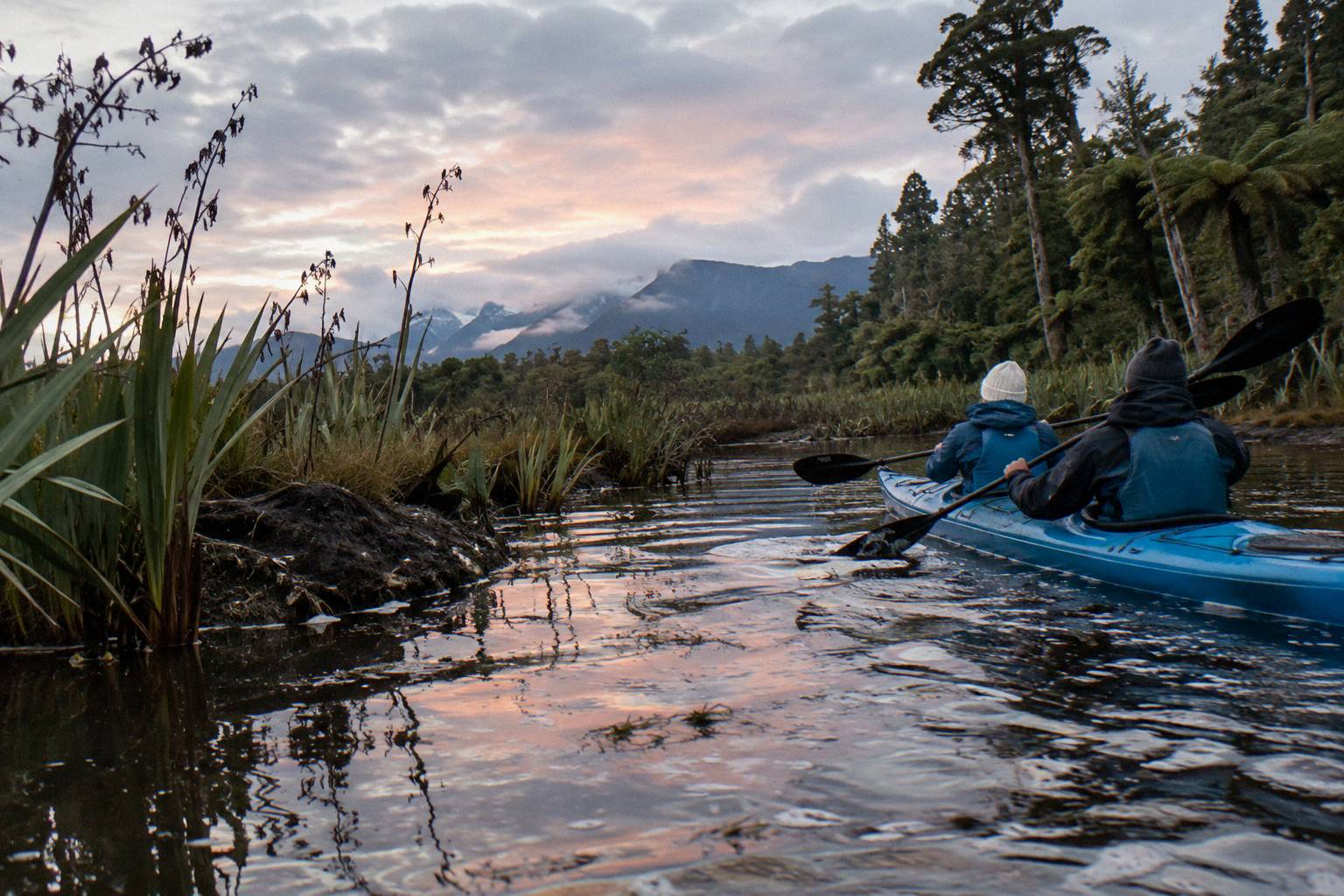
Okarito Kiwi Tour Alongside A Lagoon Paddle
Okarito is the West Coast's quietest corner, and its two draws, kiwi habitat and a shallow tidal lagoon, sit on different sides of the same evening.
Short answer
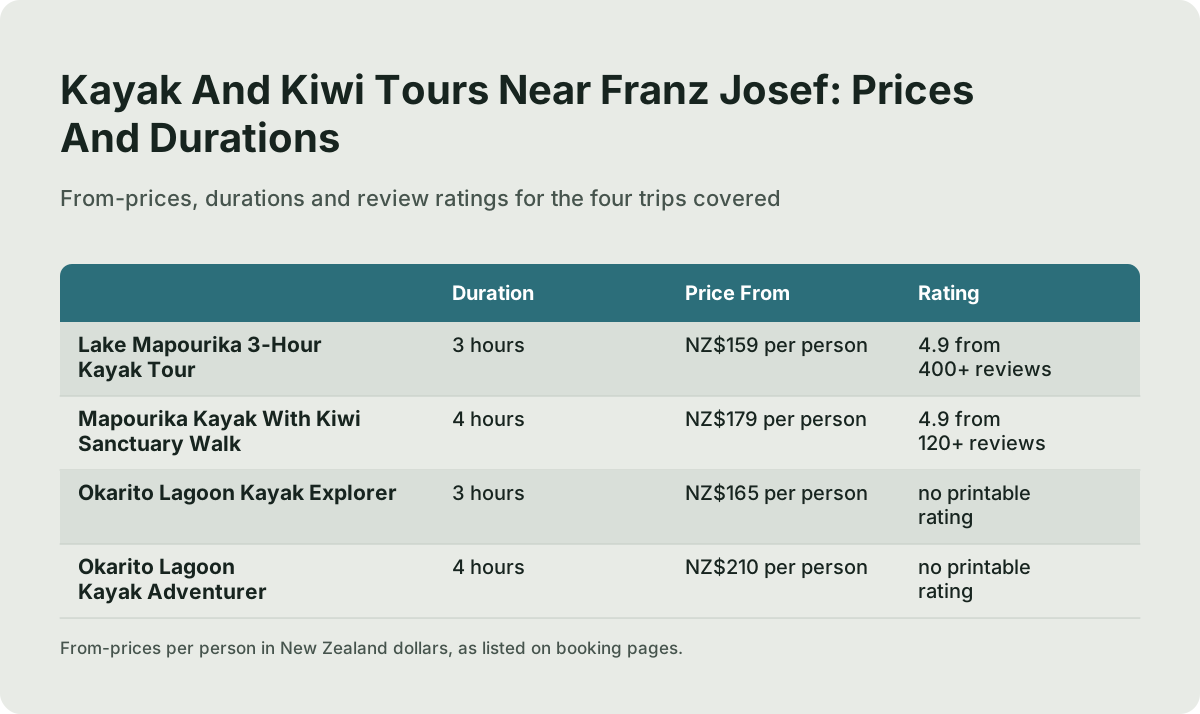
No kiwi night tour is sold here. The closest trip is the Lake Mapourika Kayak And Okarito Kiwi Sanctuary Walk, from NZ$179 per person, 4 hours, which paddles to a private rainforest track inside predator-free rowi habitat. Okarito Kayaks' lagoon trips, from NZ$165 per person, are tide-timed and self-arrival.
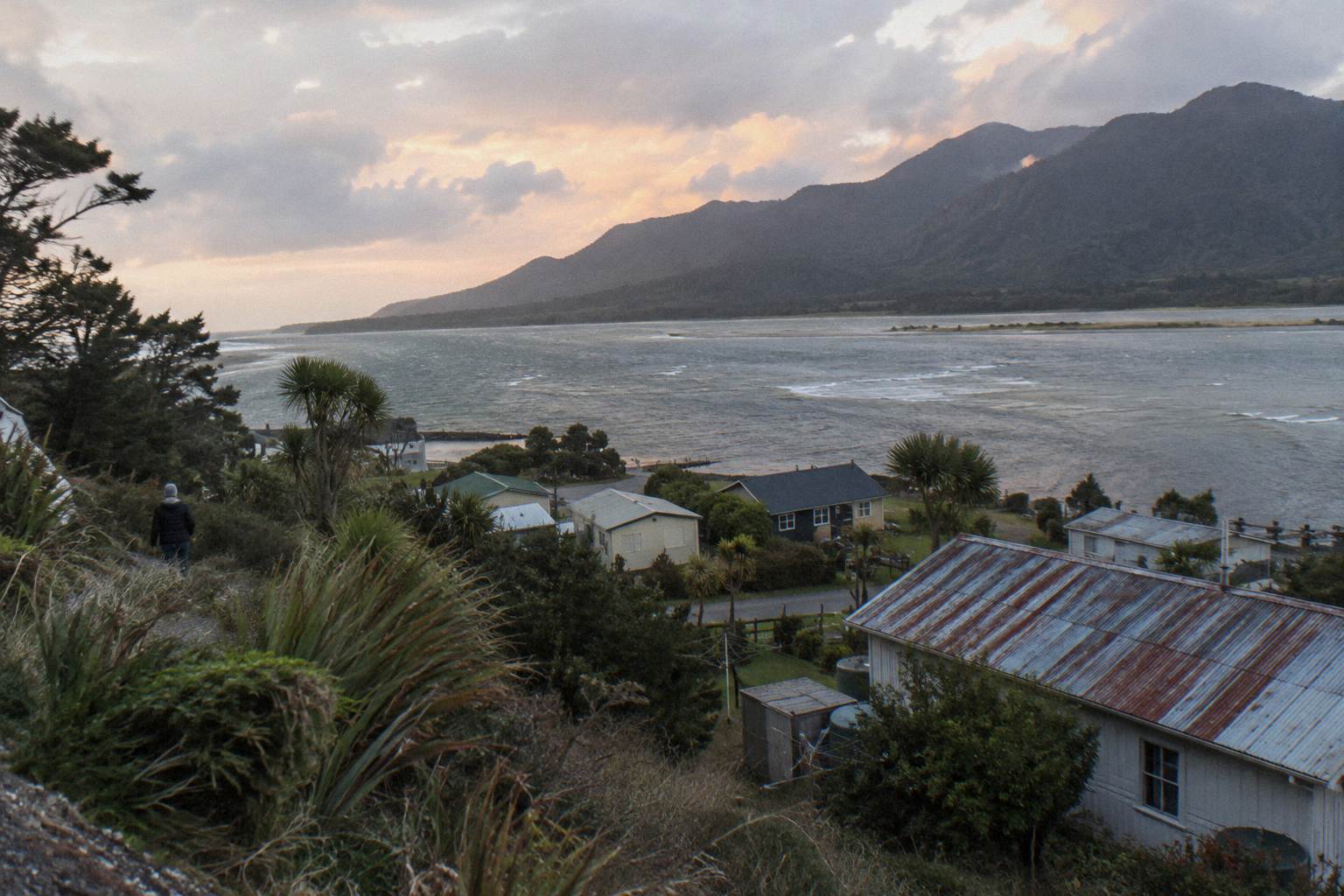
Okarito is a village of about 40 permanent residents, by the operator's count, or around 30 by the Department of Conservation's, 10 km off State Highway 6 on a sealed road roughly 25 minutes north of Franz Josef. There is no shop and no restaurant. What it does have is a shallow tidal lagoon, a predator-free kiwi sanctuary on the lake to the south, and enough evening light on a clear night to make a slow paddle feel like the whole point of the day. The mistake readers make is assuming all of that comes on one ticket.
It does not. The kiwi connection and the lagoon paddling are sold by different operators, on different waters, at different times of day, and only one of them is a tour you can book here. Here is what each trip actually covers, what an Okarito evening can hold around a paddle, and how to sequence the two without doubling up on the wrong thing.
Can You See Kiwi Around Okarito, And Which Tour Goes There?
No tour here promises, or delivers, a kiwi sighting, and no kiwi night tour runs at all. The only kiwi-linked trip is the Lake Mapourika Kayak And Okarito Kiwi Sanctuary Walk: a daytime four-hour paddle and rainforest walk that enters predator-free rowi habitat. Rowi are nocturnal, the walk is not, and the operator's own pages make no sighting promise. Treat the sanctuary as habitat, not a viewing stop.
The rowi, or Okarito brown kiwi, is the rarest kiwi taxon. The operator's own figures put the population at around 150 birds in the 1990s and more than 600 today, inside an Okarito Kiwi Sanctuary it describes as around 11,000 hectares, established in 2000. Those are operator claims rather than audited conservation numbers, but the direction of travel is well documented, and the sanctuary itself is real: a predator-fenced tract of forest on the shores of Lake Mapourika that you can only reach from the water.
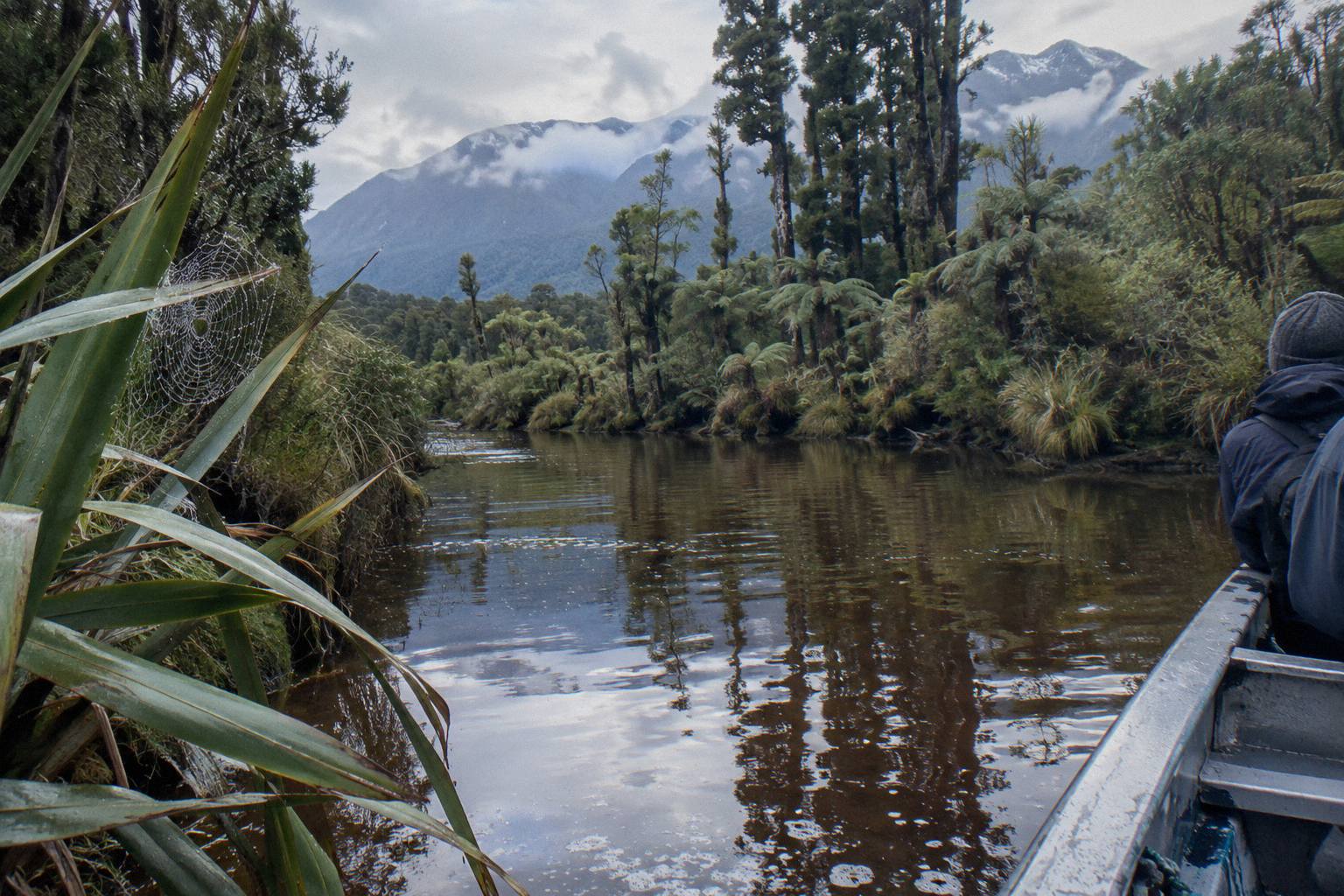
That last clause matters. The Kayak And Okarito Kiwi Sanctuary Walk crosses the lake to a private rainforest track with no land access, walks it for about an hour, and paddles back. It is a habitat experience, in daylight, with a guide who can explain what lives in the forest whether or not anything shows itself. Readers who want a near-certain kiwi sighting need a different product entirely, and none is sold here.
The other kiwi-adjacent option in the district is not a kayak trip at all. The country's only kotuku, or white heron, breeding colony sits at Waitangiroto near Whataroa, and DOC notes the birds breed there from September to February and feed in coastal lagoons, particularly Okarito Lagoon, in that season. The licensed hide tour is run by White Heron Sanctuary Tours from Whataroa. If your mental image is "evening kiwi tour at Okarito", replace it with "daytime sanctuary walk plus tide-timed lagoon paddle", and the planning gets easier.
The split matters for the rest of your itinerary, too. The Waitangiroto colony tour departs from 64 Main Road in Whataroa, established 1987, and runs to an observation hide, with nesting typically from mid September until early March by the operator's account. That is a half-day commitment north of Franz Josef, and it stacks neatly with neither a Mapourika 2pm departure nor a tide-dependent lagoon trip unless you plan the day deliberately. Most readers picking one bird-focused add-on should choose between the hide tour and the sanctuary walk, not attempt both on a two-night stay. For more on the birds you might genuinely see from a kayak, see our guide to kotuku sightings from a kayak.
How The Kayak And Okarito Kiwi Sanctuary Walk Actually Works?
The trip runs 4 hours from NZ$179 per person, rated 4.9 from 120+ reviews, and splits into about 2 hours 15 minutes kayaking plus about 1 hour walking a private rainforest track reachable only by water. Summer departures are 8:30am and 2pm, the rest of the year 9am and 1pm, and the operator notes times may vary. Check-in is at the Franz Josef Wilderness Tours office, with a courtesy transfer to the lake.
Despite the name, this is a Lake Mapourika trip, not an Okarito village one. Franz Josef Wilderness Tours runs it from its check-in office at 30 Main Road in Franz Josef Glacier township, and guests are driven to the lake. The sanctuary sits on Mapourika's shoreline, which is how a "kiwi sanctuary" tour and a lake paddle turn out to be the same product. The tour is rated 4.9 from 120+ reviews, from NZ$179 per person, and free cancellation up to 24 hours applies on the booking page.
Inclusions run deeper than most half-day paddles: tea and coffee, hot drinks and a light snack are mentioned, equipment is supplied, national park fees are covered, and complimentary photos are emailed afterwards. The kayaks are stable doubles, and the operator says no previous experience is needed, nor the ability to swim, since a correctly fitted life jacket is worn throughout. What to bring is modest: quick-drying layers, footwear that can get damp, and nothing made of jeans, a point our jeans on a kayak tour post explains at length.
Two caveats are worth flagging. First, the booking page lists a minimum age of 4 for this trip while the operator's own site says children 3 and over can join its kayak tours; the pages differ, so confirm with the operator before booking a 3-year-old on. Second, the booking pages state the trip is not wheelchair accessible and not suitable for people with mobility impairments, since the track is a rainforest path reached by water.
Solo-travellers and pairs should also know the departure-confirmation rules: Okarito Kayaks' guided lagoon trips need a minimum of two adults booked, and this Mapourika trip carries no such minimum that we can print. Weather is handled the operator's way, kayaking runs in light rain and often looks atmospheric for it, with a full refund if conditions are judged unsafe. Our piece on weather cancelling a kayak tour covers how those calls get made.
The seasonal timetable is worth reading closely before you build a day around it. Summer sessions on the lake run 1 November to 31 March, and the 2pm departure of this trip in summer is late enough that you would not want to pair it with an Okarito lagoon tour the same afternoon. The 8:30am summer start, by contrast, can have you off the water by about 12:30, back in Franz Josef for a late lunch, and at the Okarito base well before any late-afternoon tide window. In the off-season the 9am start plays the same role, with the 1pm departure better saved for a following morning. If a fixed-timing trip feels restrictive, the site's wider kayak and walk combos on the West Coast guide lays out the alternatives.
Which Paddle Pairs Best With An Okarito Evening?
For an evening in Okarito village itself, the Okarito Lagoon Kayak Explorer, from NZ$165 per person, 3 hours with up to 2 on the water, is the natural fit: tide-timed, small group, self-arrival at the base on The Strand. The sanctuary walk is the better pick if kiwi habitat is the reason you are here, and the 3-hour Mapourika tour, from NZ$159 per person, is the shorter lake alternative.
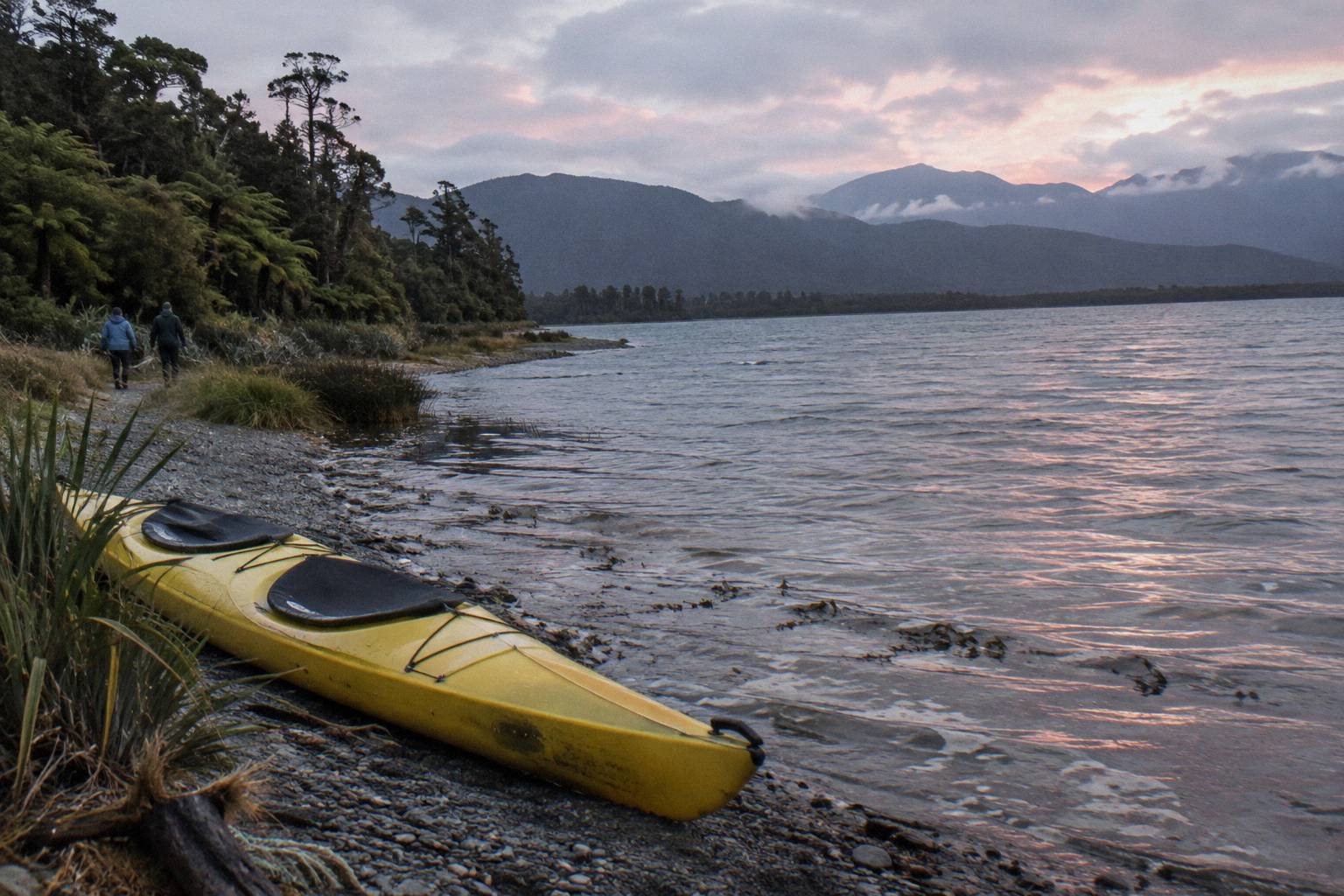
The pairing question is really a geography question. Lake Mapourika is about 10 minutes north of Franz Josef township on SH6; Okarito village is another 15 minutes or so beyond that, 10 km off the highway. You can comfortably do a Mapourika morning trip and still be in Okarito for a late-afternoon lagoon departure, but you cannot do both lagoon operators in one tide window, and you should not plan a Mapourika 5pm summer departure and an Okarito evening paddle on the same day.
The three trips above cover the useful spread: the sanctuary walk for habitat, the 3-hour Mapourika tour as the lake standard-bearer at 4.9 from 400+ reviews, from NZ$159 per person, and the Okarito Lagoon Kayak Adventurer, from NZ$210 per person, as the longer, more physical lagoon option. Prices are booking-page from-prices per person in New Zealand dollars, and free cancellation up to 24 hours applies to all five trips covered here.
If the kiwi angle is what pulled you here, the sanctuary walk is the one to lock in first: it is the only trip of the five that goes into the sanctuary at all, and its departures are fixed-time rather than tide-timed, which makes the rest of the day easier to schedule around.
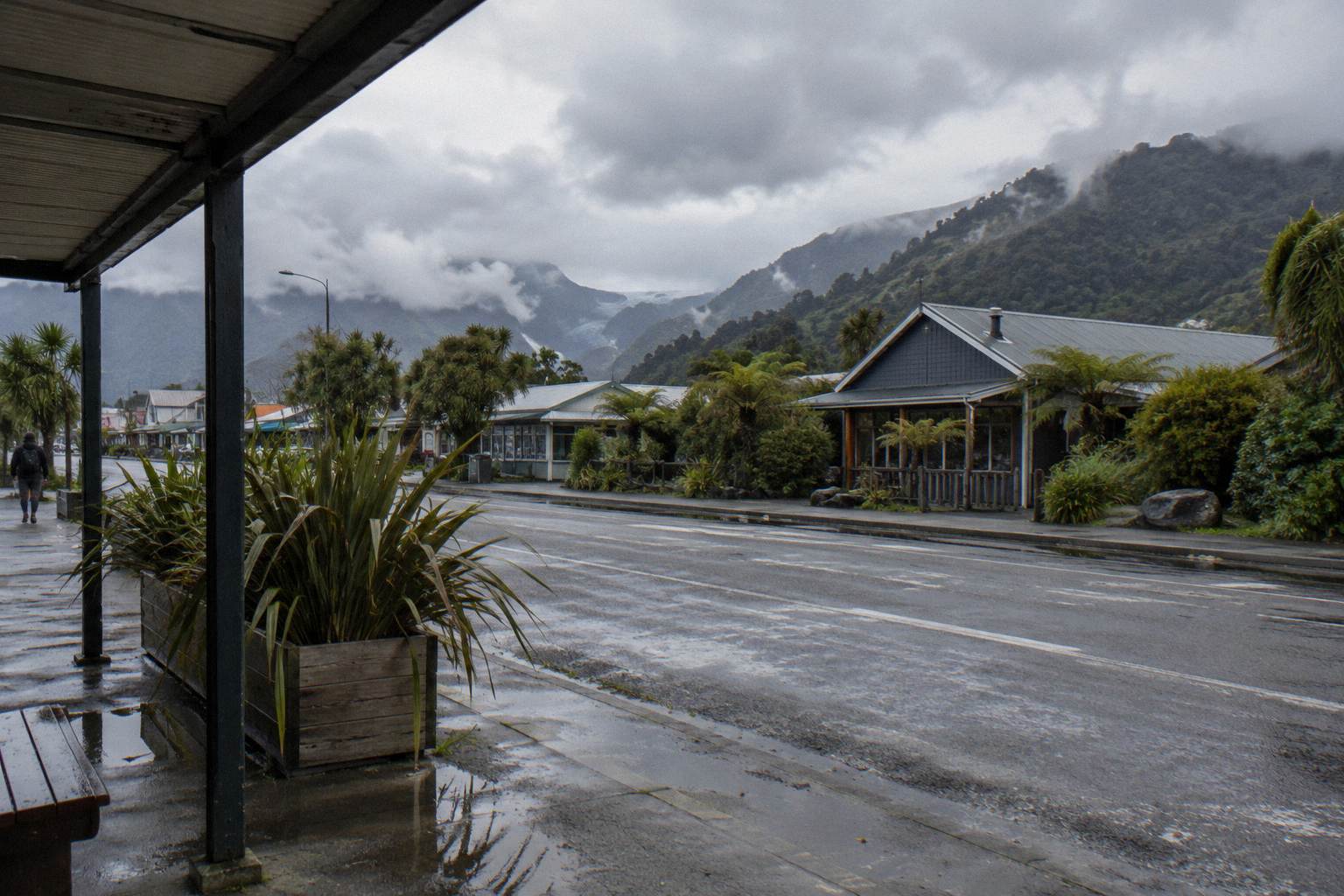
One more sequencing thought. Okarito has no shop and no restaurant, so an "evening" there means whatever you brought, plus the walks. Plan food in Franz Josef or Whataroa before the turn-off, and treat the village as the quiet half of the day rather than a dinner destination. The lagoon trips' arrival rule, 10 to 15 minutes before your start time, also means you should build the drive in with slack; the last stretch is sealed but narrow, and a wrong tide-time assumption can turn a relaxed evening into a sprint.
What Do The Okarito Lagoon Kayak Trips Include?
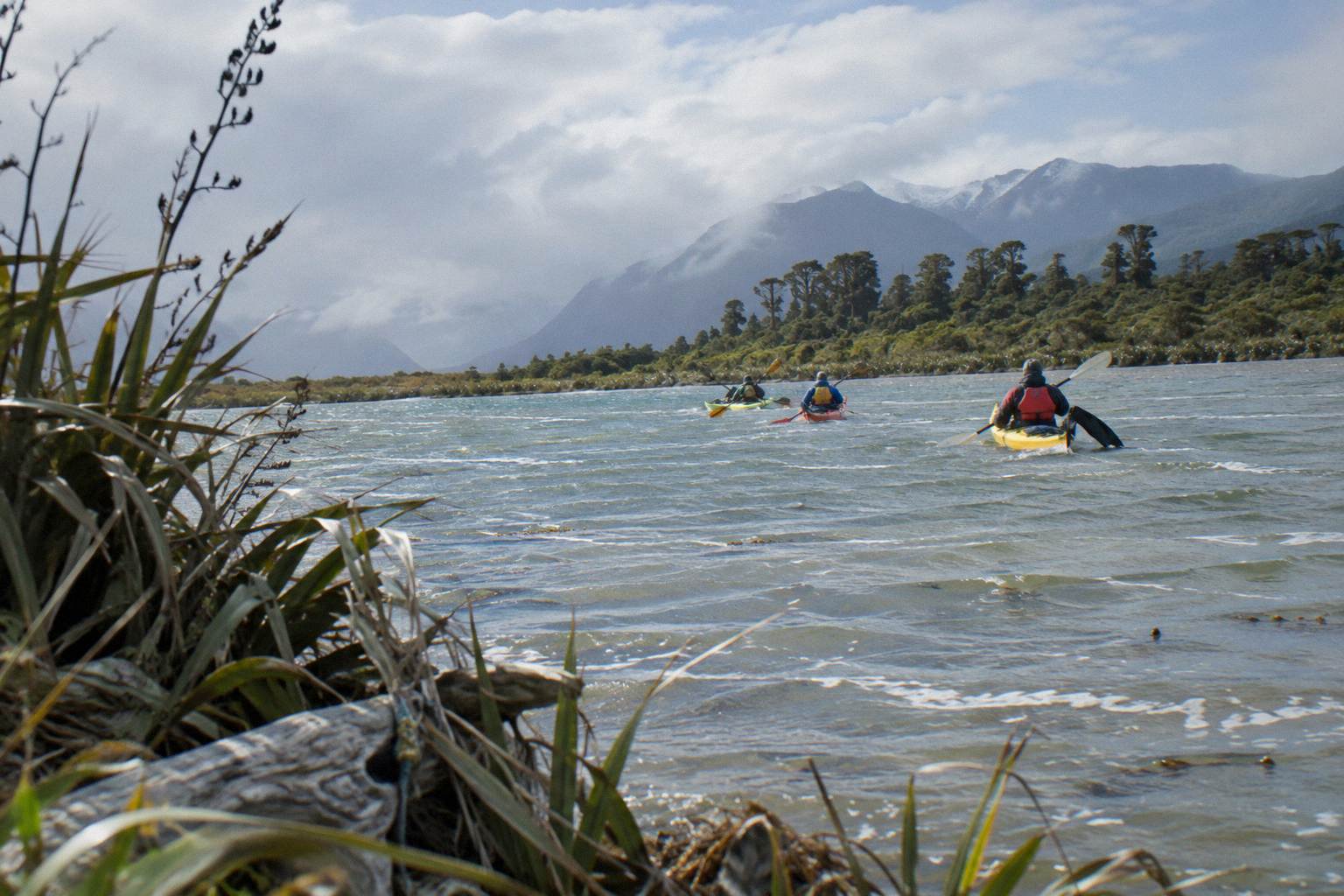
The Explorer, from NZ$165 per person, runs 3 hours total with up to 2 hours paddling; the Adventurer, from NZ$210 per person, runs 4 hours with up to 3 on the water and needs some fitness and flexibility. Both are tide-timed with departure times set around the day's best conditions, self-arrival at 1 The Strand, and need two adults booked to confirm.
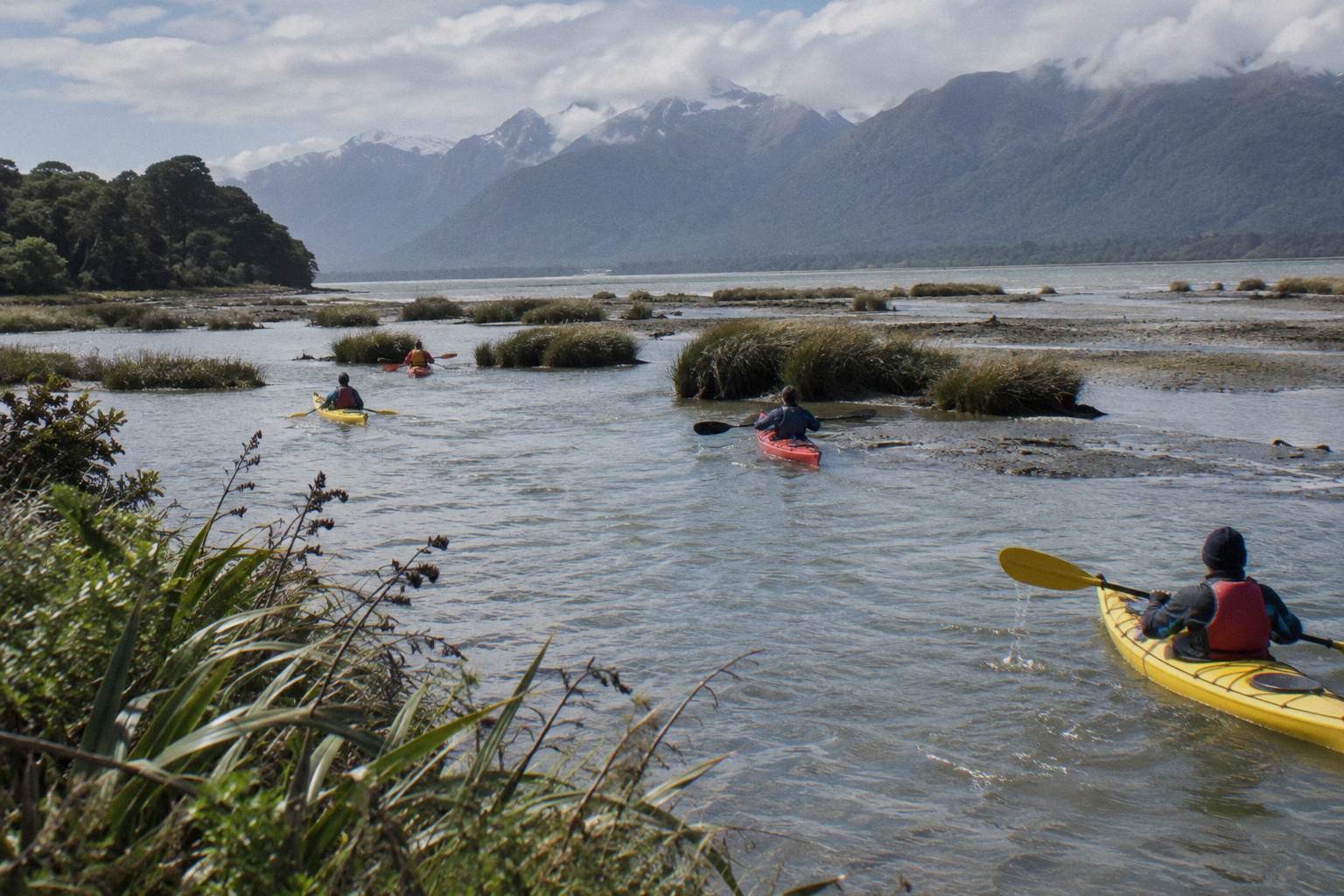
Okarito Kayaks is a different operator from the lake one, family run, trading year round, a NZ Tourism Environment Award winner 2026 by its own site, and it describes renting kayaks and guiding travellers on the lagoon for over thirty years. You drive yourself to the base at 1 The Strand and arrive 10 to 15 minutes before the start. There is parking, toilets and hot drinks at the base, and a rescue boat stands by on guided trips.
The kit list is generous: lagoon map and bird guide, buoyancy aid, spray skirt, dry bags, and environmentally friendly insect repellent, since the operator mentions sandflies on occasional cloudy, still days. You bring warm quick-drying clothing, a rain jacket, footwear, water, snacks, sunscreen, a camera, and binoculars if you have them. Our what to wear on a kayak tour guide covers the layering logic.
| Trip | Water | Duration | Price from | Arrive at | Rating |
|---|---|---|---|---|---|
| Lake Mapourika 3-Hour Kayak Tour | Lake Mapourika | 3 hours | NZ$159 per person | Franz Josef office, transfer included | 4.9 from 400+ reviews |
| Kayak And Okarito Kiwi Sanctuary Walk | Lake Mapourika | 4 hours | NZ$179 per person | Franz Josef office, transfer included | 4.9 from 120+ reviews |
| Okarito Lagoon Kayak Explorer | Okarito Lagoon | 3 hours | NZ$165 per person | 1 The Strand, Okarito, self-arrival | No score shown |
| Okarito Lagoon Kayak Adventurer | Okarito Lagoon | 4 hours | NZ$210 per person | 1 The Strand, Okarito, self-arrival | No score shown |
| Lake Mapourika Scenic Cruise | Lake Mapourika | 2 hours | NZ$125 per person | Franz Josef office, transfer included | No score shown |
The Adventurer's booking pages exclude people over 200 cm or over 125 kg, and the trip's description calls for some fitness and flexibility.
Because departures are tide-timed, the departure time for your date is on the booking page rather than in any fixed schedule. The lagoon is shallow and tidal, and the operator schedules every tour and rental around the best tidal conditions for the day. Our Okarito lagoon tides and kayaking post explains why that matters for planning an evening.
Guided-trip rules are more open on age than the lake trips: the operator states no minimum or maximum age for guided lagoon tours, with under-18s at half price, though the two-adult minimum still governs whether a departure confirms at all. That half-price rule makes a family lagoon trip notably cheaper than the headline from-price suggests for school-age children, and it is worth stating plainly on a page aimed at families weighing the sanctuary walk's minimum age of 4 against a lagoon trip with no age floor at all. The trade is straightforward: the lagoon trips take any age but need you to drive yourself, while the lake trips transfer you from the township office.
What Does An Evening In Okarito Look Like Around A Paddle?
An Okarito evening is low-key by design: three short DOC walks, a historic store and wharf, and whatever light the sky provides over the lagoon. The trig walk takes about 1 hour 30 minutes, the wetland walk 20 minutes, and the Pakihi walk 30 minutes. With no shop or restaurant, the village works best as a slow end to a day whose main event happened on the water.
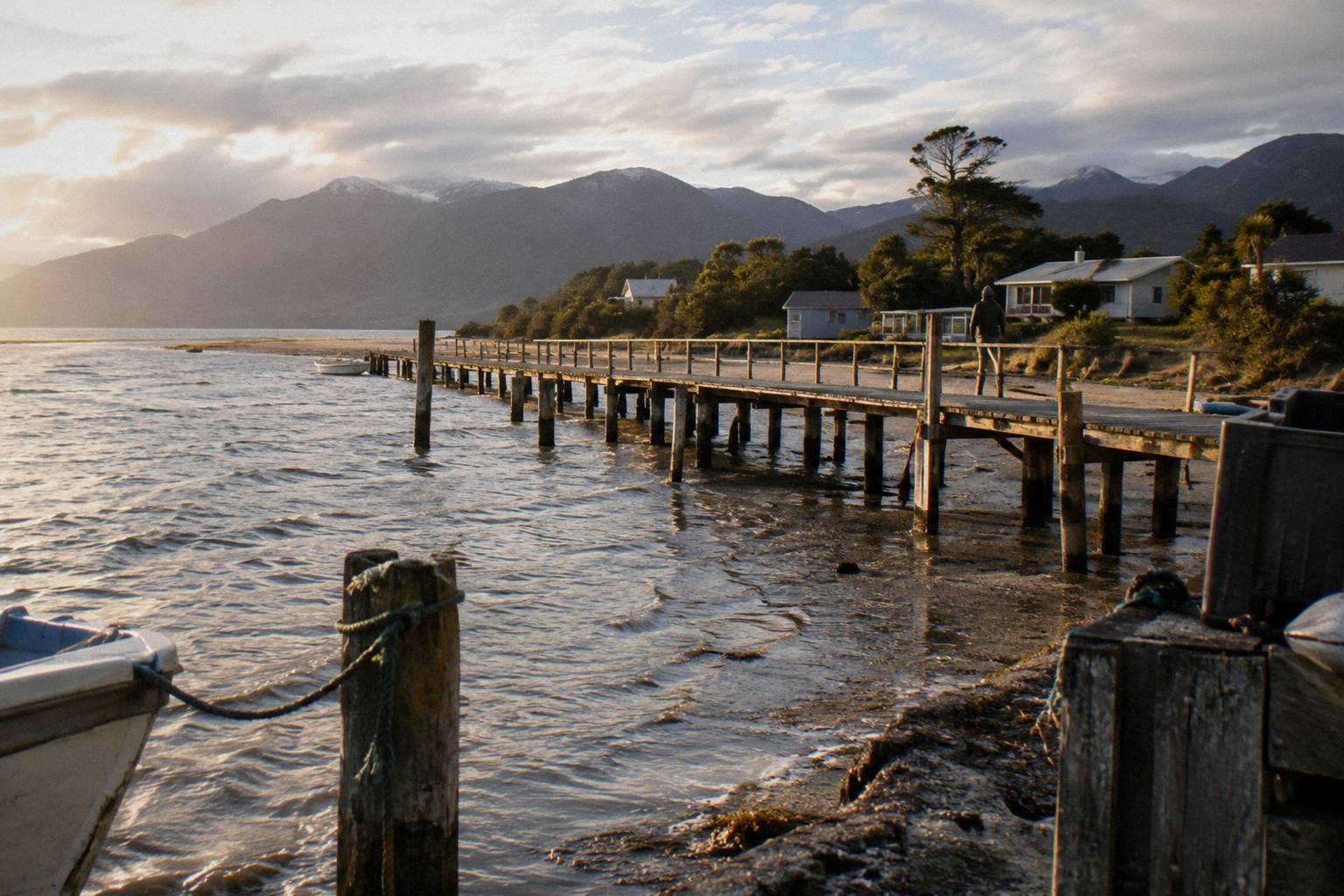
The Department of Conservation's Okarito area page lists the settlement's walks and notes Donovan's Store and the wharf. The trig walk is the one that earns its view: 1 hour 30 minutes, graded easy, climbing to a lookout over the lagoon, the sea and on a clear evening the Southern Alps. The wetland walk at 20 minutes and the Pakihi walk at 30 minutes suit the gap between a paddle and dusk. If you have parked an afternoon around a morning paddle, the trig track is the best use of the remaining light.
| Okarito walk | Time | Grade | Best slot in a paddle day |
|---|---|---|---|
| Trig walk | 1 h 30 min | Easy | After a morning paddle, timed for dusk at the lookout |
| Wetland walk | 20 min | Short | Straight after stepping off the water |
| Pakihi walk | 30 min | Short | While waiting for a late tide-time departure |
Wildlife is the other draw. The operator notes that while kayakers cannot access the kotuku nesting site, it is common to see the birds feeding throughout the lagoon year round, and DOC places them there in numbers during the September-to-February breeding season. An evening paddle or a wander along the wharf can turn up kotuku, royal spoonbills and white-fronted terns without any tour ticket at all.
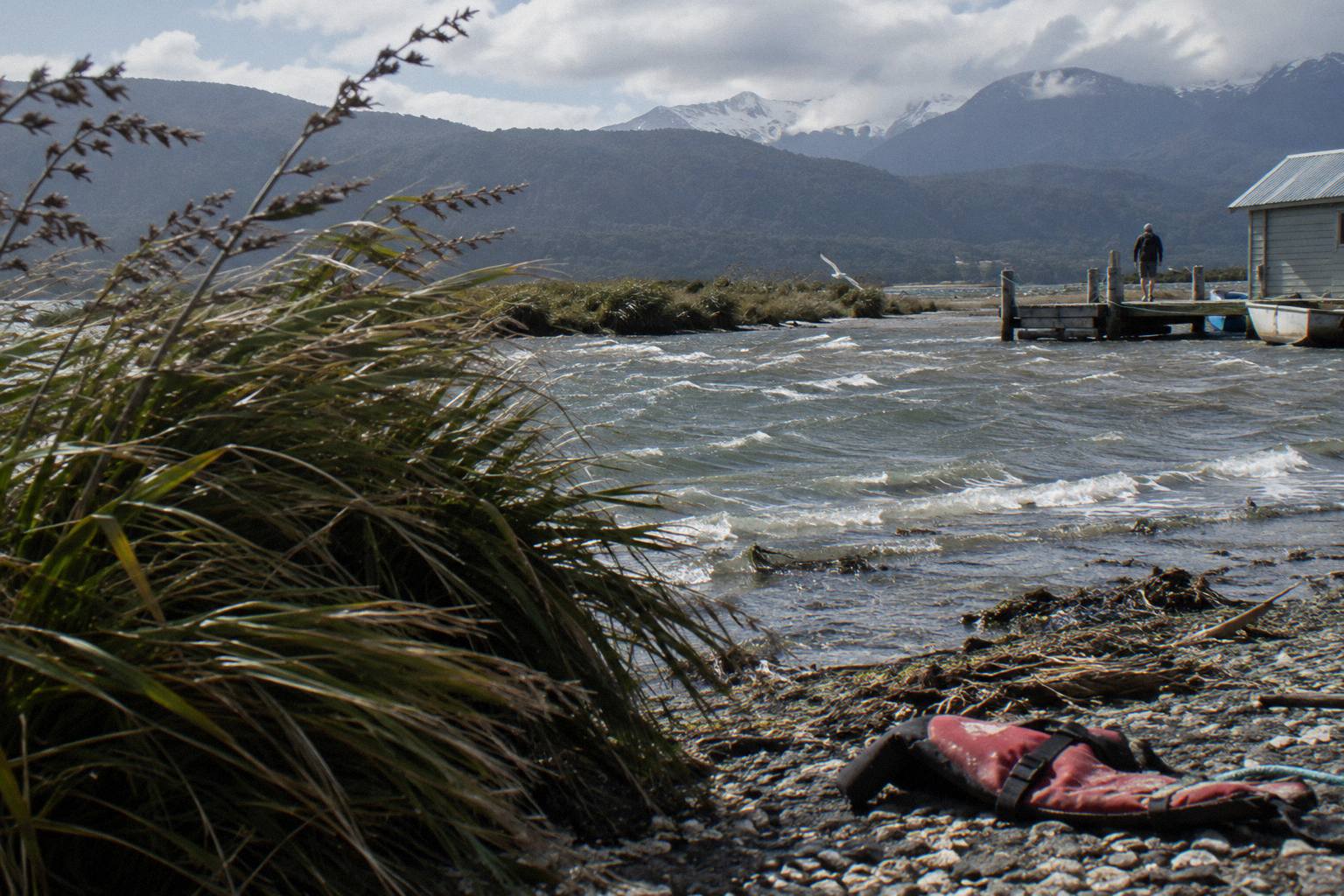
One planning fact that surprises people: from 9 October 2026, everyone aboard a recreational craft 6 m and under, kayaks and paddleboards included, must wear a lifejacket while underway, a rule Maritime NZ applies nationwide. On guided trips the buoyancy aid was always worn anyway; on any unguided rental it is now the law, not advice. Both operators supply the gear.
For readers weighing whether the detour is worth it at all, our is Okarito worth visiting for a kayak trip post works through the trade-offs, including the drive and the lack of facilities.
Planning Checklist: Ages, Limits, Cancellation And Timing?
Free cancellation up to 24 hours before departure applies to all five trips on their booking pages, and the operator may cancel for unsafe conditions or minimum numbers with a full refund. The sanctuary walk lists minimum age 4 on the booking page against the operator's own 3-and-over; lagoon guided trips have no age limits but need two adults, and the Adventurer excludes anyone over 200 cm or 125 kg.
| Question at booking | Lake Mapourika trips | Okarito Lagoon trips |
|---|---|---|
| Getting there | Courtesy transfer from Franz Josef office | Self-arrival, 1 The Strand, Okarito |
| Departure times | Fixed seasonal sessions, times may vary | Tide-timed, time on the booking page |
| Minimum to confirm | Check when booking | Two adults booked |
| Age rules | Walk: 4 on booking page (3 on operator site, ask) | No minimum or maximum age, under-18s half price |
| Size limits | Check when booking | Adventurer excludes over 200 cm or 125 kg |
| Cancellation | Free up to 24 hours, booking page | Free up to 24 hours, booking page |
The single most useful thing to check before booking any of this is the tide-driven departure time for your date, because it dictates whether an "evening" plan is a late-afternoon paddle followed by the trig walk at dusk, or a midday paddle followed by a long, quiet afternoon in a village with nowhere to buy dinner. Book the lagoon trip first, then fit the lake trip around it.
Weather deserves a line of its own. Franz Josef records a mean annual rainfall of 5,555.2 mm, and every month of the year averages above 300 mm, so a wet forecast is a planning input, not a dealbreaker. Kayaking in light rain is normal here and often atmospheric; the operator supplies jackets and wet-weather gear and refunds in full if conditions are unsafe. Our kayaking in the rain near Franz Josef guide covers what actually changes. One local quirk worth knowing: the lake operator says it checks the weather itself and that it is often dry at Lake Mapourika while it is raining in the township, so a grey morning in Franz Josef is not automatically a grey morning on the water. October is the wettest month on the 1991 to 2020 record at 594.1 mm and July the driest at 317.8 mm, though the gap between them is smaller than most visitors expect.
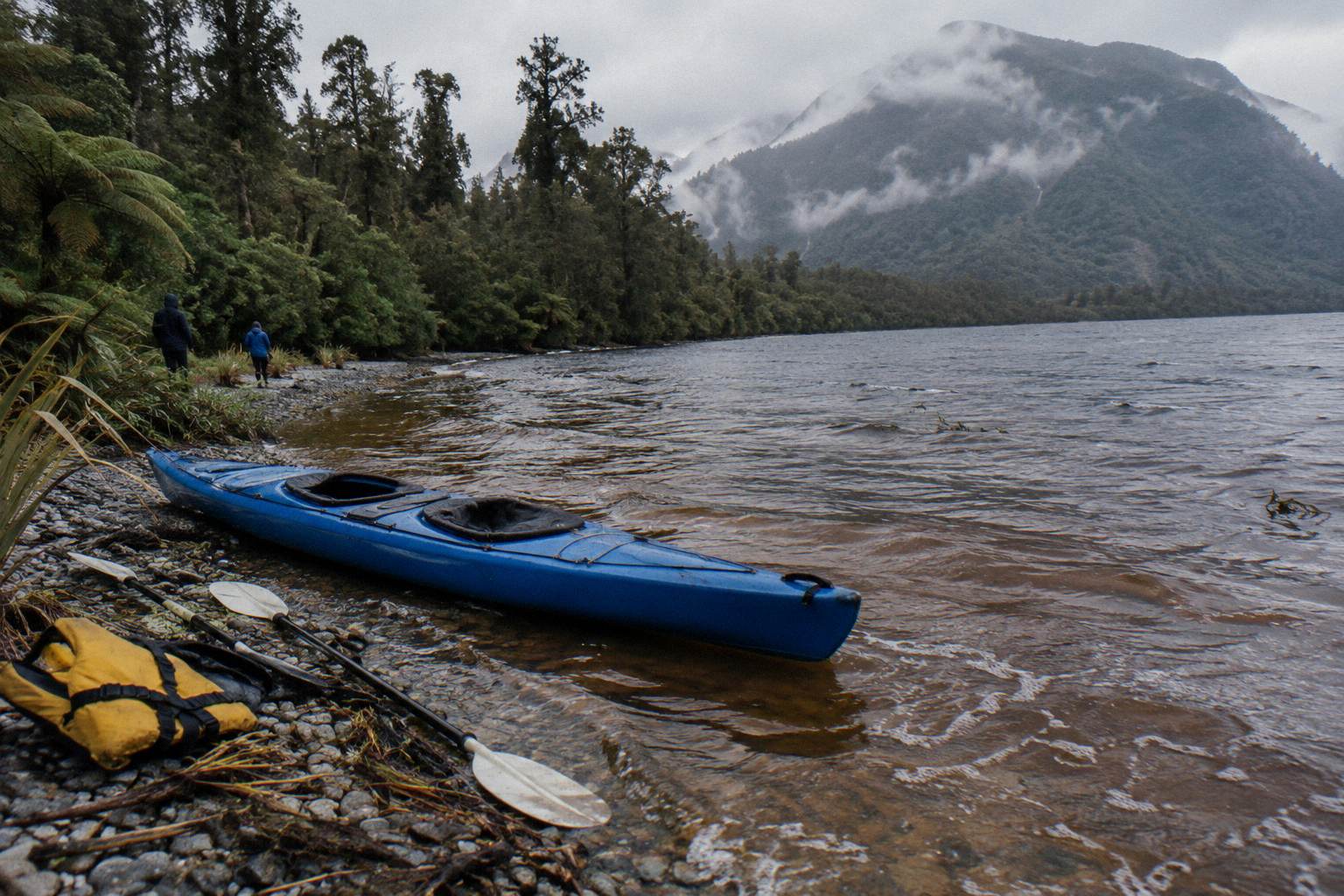
Finally, a word on expectations. Rowi are nocturnal, the sanctuary walk is not, and no operator here sells a kiwi-spotting tour. What you are buying is entry into habitat that is closed to everyone arriving by land, a guide who knows the forest, and a paddle on the largest kettle lake in South Westland, as the operator describes Mapourika, with glacier views on clear days. If a kiwi headline brought you here, the plan that matches reality is: sanctuary walk in the morning, lagoon paddle timed to the tide, trig walk at dusk, and a very small chance of hearing something in the dark on the way back to the car.
For readers who would rather not paddle at all, the Lake Mapourika Scenic Cruise, from NZ$125 per person for 2 hours on a covered boat with a toilet, crosses the same water with the same courtesy transfer and no effort, and infants under 4 travel free.
Whatever the mix, Franz Josef Kayak Tours keeps all five trips side by side so the two waters and the two operators stay straight.
Common Questions About Okarito Kiwi Tours And Lagoon Paddles
Is There An Evening Kiwi Tour At Okarito?
There is no evening kiwi tour to book. The only kiwi-linked trip is the Lake Mapourika Kayak And Okarito Kiwi Sanctuary Walk, a daytime 4-hour paddle and rainforest walk, and no kiwi sighting is promised.
Will I See A Kiwi On The Kayak And Okarito Kiwi Sanctuary Walk?
The trip enters predator-free rowi habitat on a private track reachable only by water, but the operator makes no sighting promise and the walk runs in daylight while rowi are nocturnal. Treat it as a habitat experience with a guide.
How Much Does The Kayak And Okarito Kiwi Sanctuary Walk Cost?
From NZ$179 per person, 4 hours, rated 4.9 from 120+ reviews, with free cancellation up to 24 hours on the booking page. Tea and coffee, equipment, national park fees and complimentary photos are included.
Do The Okarito Lagoon Tours Run At A Set Time?
No. The lagoon is shallow and tidal, and Okarito Kayaks schedules tour and rental start times around the best tidal conditions for each day. The departure time for your date is on the booking page, and a minimum of two adults booked is needed to confirm.
Which Trip Is Best For An Evening In Okarito Village?
The Okarito Lagoon Kayak Explorer, from NZ$165 per person for 3 hours, is the natural fit if you want to be in the village itself: tide-timed, self-arrival at The Strand, with the trig walk at dusk afterwards. Note there is no shop or restaurant in Okarito.
Can I Do A Lake Tour And An Okarito Lagoon Tour On The Same Day?
Yes, if the tide times allow. Lake Mapourika is about 10 minutes north of Franz Josef and Okarito about 25 minutes, so a morning Mapourika trip can precede a late-afternoon lagoon departure. Avoid pairing a 5pm summer lake departure with an Okarito paddle the same evening.