The Best Season For A West Coast Kayak Tour
There is no official best month for paddling near Franz Josef. The operators split the year into a summer season and a winter season with different departure times, NIWA rainfall records show every month is wet, and reflections depend on the day, not the calendar.
Short answer
There is no single best month. Franz Josef Wilderness Tours runs summer sessions from 1 November to 31 March, including a 5pm departure, and winter sessions from 1 April to 31 October. NIWA records show mean annual rainfall of 5,555.2 mm, with July driest at 317.8 mm and October wettest at 594.1 mm. Pick your month by what you want: long evenings, warm air or quiet water.
Every month near Franz Josef is a wet month. NIWA records from 1991 to 2020 put mean annual rainfall in Franz Josef at 5,555.2 mm, and every single month of the year averages above 300 mm, so there is no dry season to aim for and no official best month for a paddle. What actually changes through the year is air temperature, daylight, departure times and the wildlife calendar, and those are the levers worth planning around.
The two operators that matter here run on different waters with different rhythms. Franz Josef Wilderness Tours paddles Lake Mapourika with check-in at its Main Road office in Franz Josef township and a courtesy transfer to the lake; Okarito Kayaks departs from its base on The Strand in Okarito, about 25 minutes north, with start times scheduled around the tides. Neither operator publishes a "best month", and no single month deserves the title anyway. Instead it lays out the seasonal facts, the climate numbers and the decision points, so you can match a month to what you personally want from a West Coast paddle. Prices below are booking-page from-prices per person in New Zealand dollars.
When Do Kayak Tours Actually Run Near Franz Josef?
Kayak tours near Franz Josef run all year, but the departure pattern changes with the seasons. Franz Josef Wilderness Tours runs summer sessions from 1 November to 31 March and winter sessions from 1 April to 31 October, with different start times in each. Okarito Kayaks operates year round as well, with guided departures timed to the tide on any given day rather than to a fixed seasonal timetable. Neither water closes for winter.
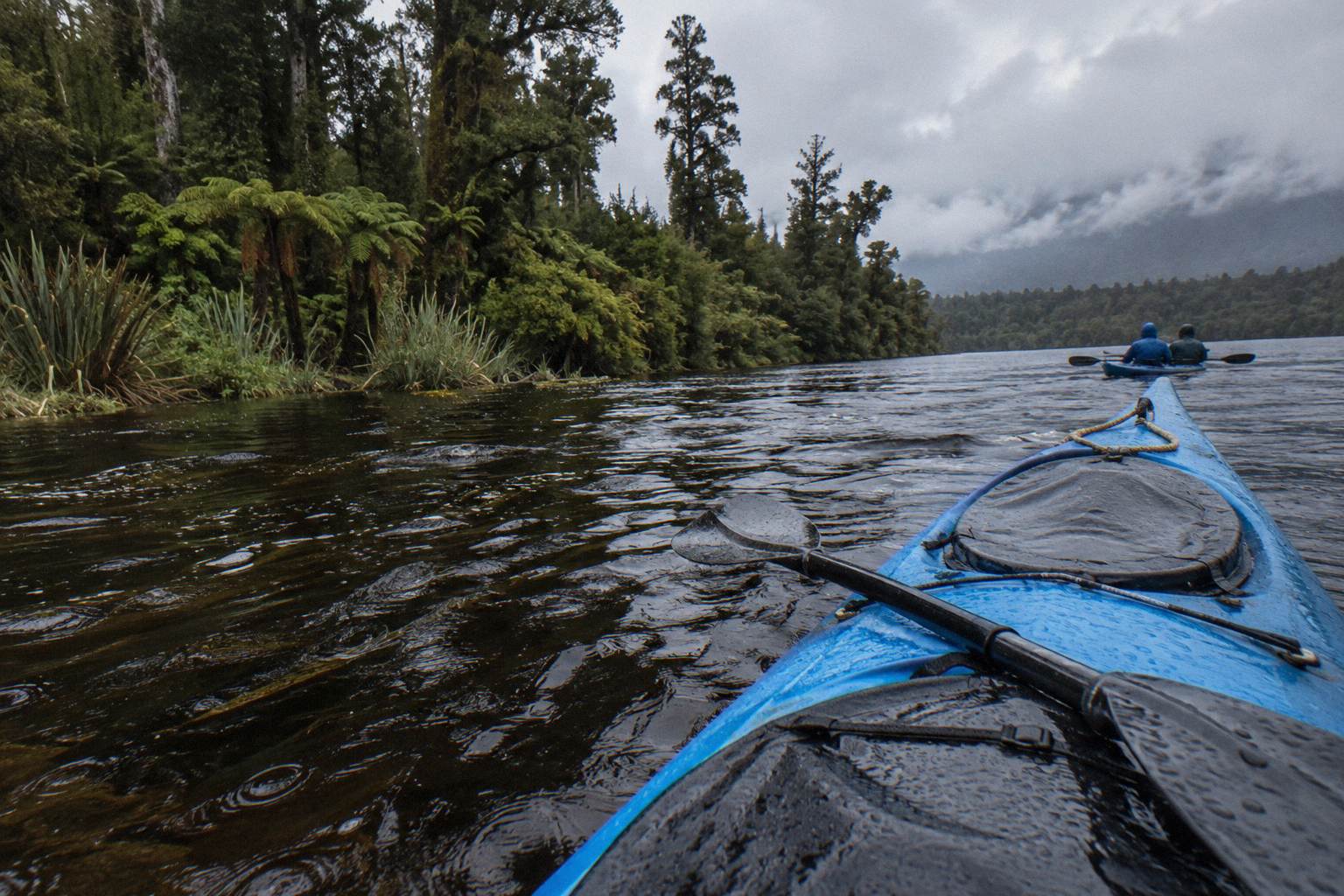
On Lake Mapourika, the operator's seasonal pattern for the 3-hour kayak tour is summer departures at 9am, 1pm and 5pm from 1 November to 31 March, and winter departures at 9am (or 10am) and 2pm from 1 April to 31 October. The operator is explicit that "times may vary", so treat these as the shape of the season rather than a promise, and check the live listing for your exact date. The 5pm slot matters more than it looks: it is the operator's own summer-only Sunset Classic departure, which exists only in the November-to-March window. In winter there is no 5pm trip, but the operator notes that the 2pm tour "often coincides with sunset", which is a quiet bonus of the colder half of the year.
Over on Okarito Lagoon the calendar works differently. The lagoon is shallow and tidal, and Okarito Kayaks says its tour and rental start times are "scheduled around the best tidal conditions for any day". That means the departure time for the Lagoon Kayak Explorer or the Lagoon Kayak Adventurer is decided by the tide table, not by the season, and the only reliable way to know your start time is the booking page for your date. Guided departures also need a minimum of two adults booked to confirm, which is worth knowing if you are travelling solo. For more on how the tide shapes that water, see the guide to how tides control Okarito Lagoon kayaking.
| Season | Dates | Lake Mapourika pattern | Okarito Lagoon pattern |
|---|---|---|---|
| Summer sessions | 1 Nov to 31 Mar | 9am, 1pm and 5pm departures; 5pm is the operator's Sunset Classic slot | Year-round operation; start times tide-scheduled |
| Winter sessions | 1 Apr to 31 Oct | 9am (or 10am) and 2pm; the 2pm trip often coincides with sunset | Year-round operation; start times tide-scheduled |
| Guided minimum | All year | Operator may cancel for minimum numbers with a full refund | Minimum two adults to confirm a guided departure |
The practical takeaway is simple: book for the season you want to stand in, and let the operator handle the clock. If a long, light evening on the water is the dream, that points to summer. If you would rather paddle in the quiet season and finish near a winter sunset, the 2pm winter departure does that without any special booking. The Lake Mapourika 3-Hour Kayak Tour, from NZ$159 per person and rated 4.9 from 400+ reviews, runs in both patterns, which makes it the most flexible of all five trips for date-shoppers. If you are still weighing which water suits you, the comparison of Lake Mapourika versus Okarito Lagoon covers the differences in detail.
How Much Does It Rain In Each Month?
NIWA records from 1991 to 2020 show Franz Josef averages 5,555.2 mm of rain a year, and no month is dry. October is the wettest at 594.1 mm, December follows at 593.7 mm and January at 552.0 mm, while July is the driest at 317.8 mm and February next at 357.6 mm. Every month averages above 300 mm, so picking the "dry" month is not an option here.
That rainfall shape surprises people who assume summer must be the dry season on the West Coast. It is not. The three wettest months in the NIWA record are October, December and January, all summer or shoulder months, and the driest months are mid-winter July and late-summer February. What summer does give you is warmth and light: mean daily maximums of 20.0 °C in January and 20.5 °C in February, against 11.9 °C in July, with mean daily minimums of 10.5 °C in January and 3.3 °C in July. Annual mean temperature is 11.4 °C, and sunshine totals about 1,169 hours a year, with January the brightest month at 118 hours and December surprisingly dim at 83 hours.
The number that should shape your expectations most is not the rainfall total but what operators do about it. Franz Josef Wilderness Tours runs its tours in wet weather, supplying paddling jackets and wet-weather gear, and says "kayaking can be especially atmospheric in light rain". If conditions are considered unsafe, the operator cancels and offers an alternative or a full refund. There is also a genuinely useful local quirk: the operator checks conditions itself and notes that "often times it's dry at Lake Mapourika while it's raining in the township", since the lake sits about ten minutes north on SH6 and the weather does not always match. That is why the advice is always to turn up and let the operator make the call rather than pre-emptively cancelling yourself. The fuller picture is in how Franz Josef weather affects kayak tours.
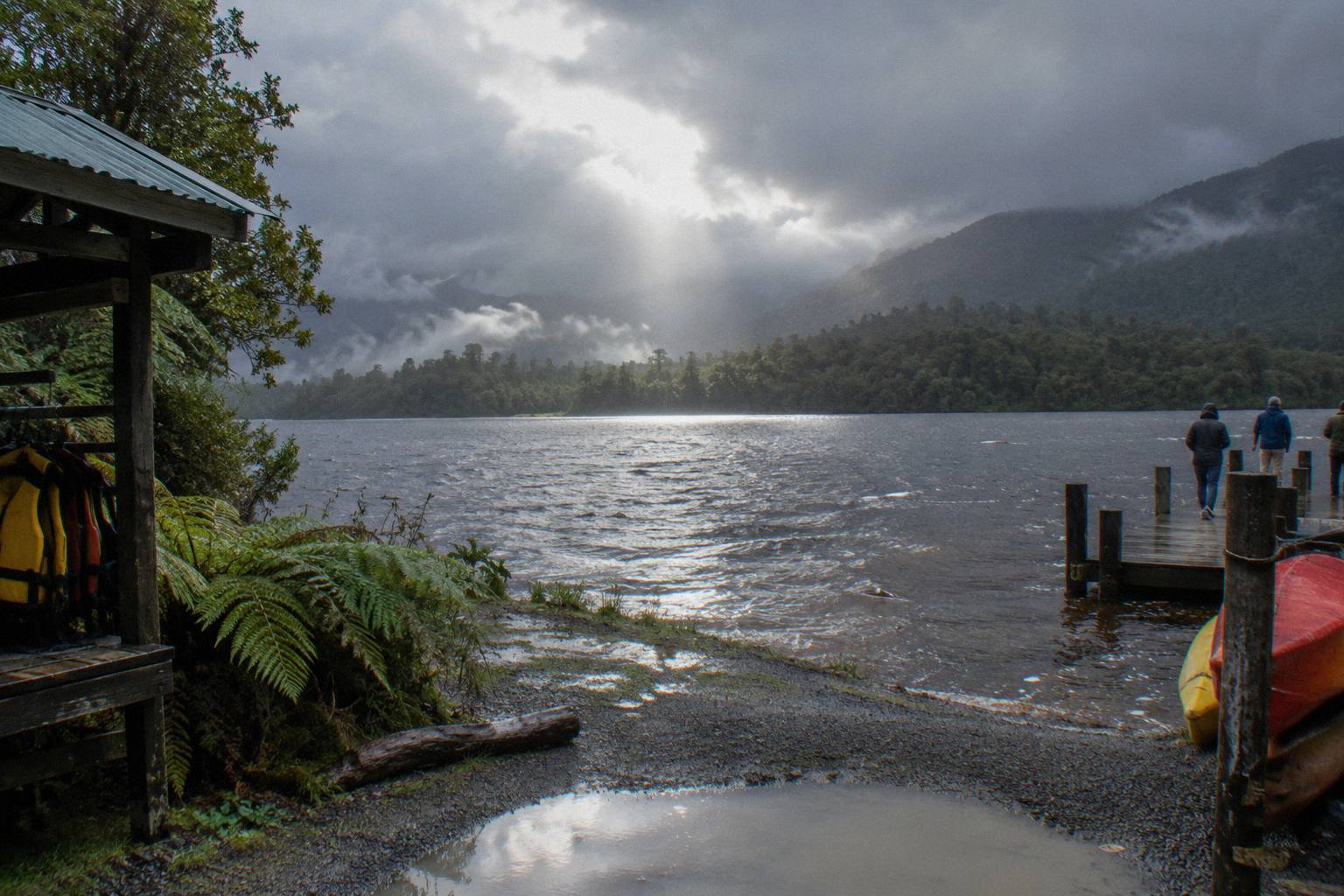
For the Okarito trips, check the booking page before assuming the same wet-weather approach applies there. The tide-scheduled starts already build flexibility into that operation, since the departure time itself moves day to day.
| Month | NIWA mean rainfall | What it means for a paddle |
|---|---|---|
| October | 594.1 mm | Wettest month in the record; expect changeable days |
| December | 593.7 mm | Nearly as wet, but with long daylight |
| January | 552.0 mm | Warm and bright (118 sunshine hours) but still wet |
| February | 357.6 mm | Second-driest month and the warmest max at 20.5 °C |
| July | 317.8 mm | Driest month in the record, but cold at 11.9 °C max |
Do not assume the unlisted months slot neatly between the ones shown here. The safe framing for any month is "wet, with the amount varying", and to plan around daylight and temperature rather than chasing a dry window that the climate data says does not exist.
What About Reflections And Light: Dawn, Dusk And Cloud?
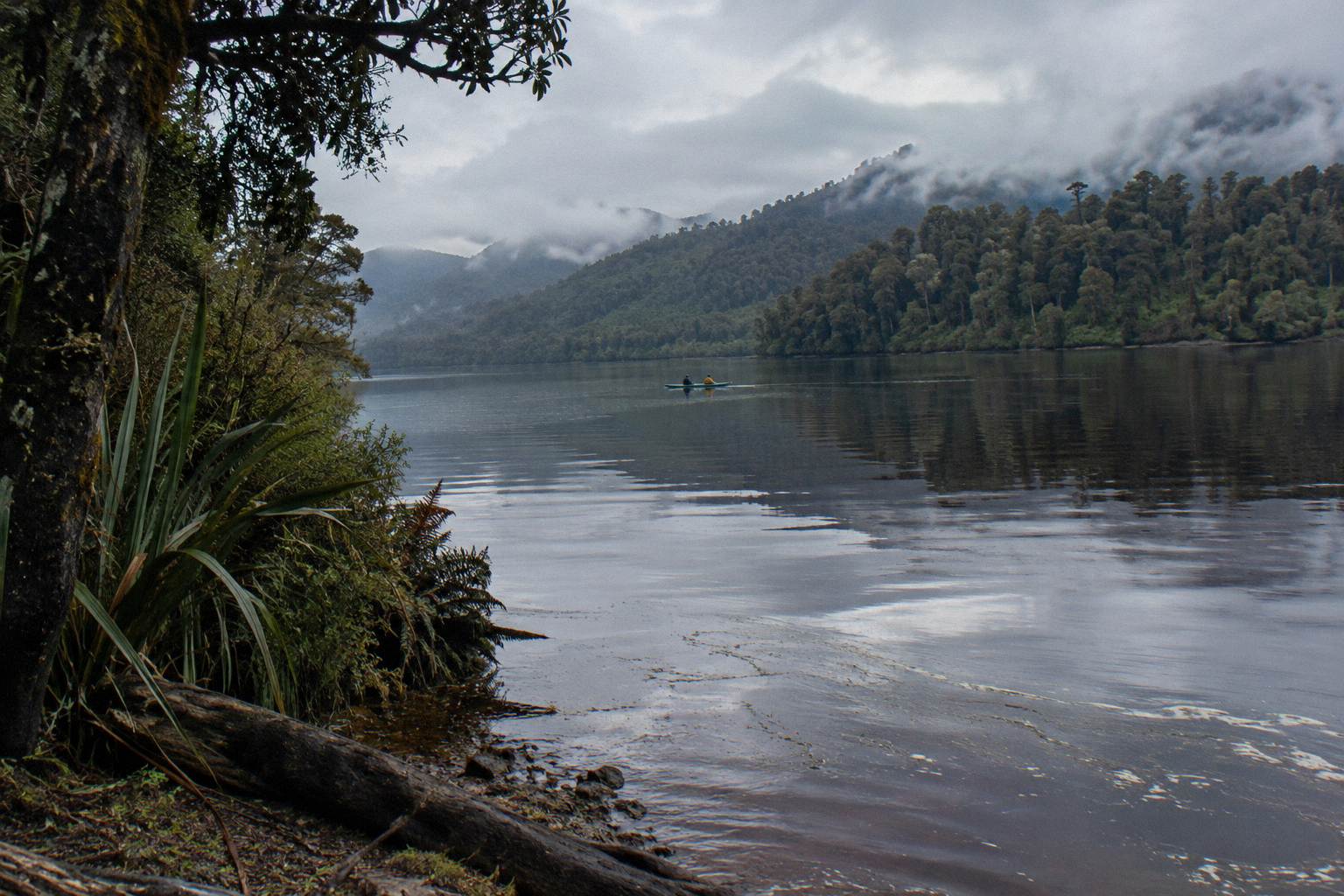
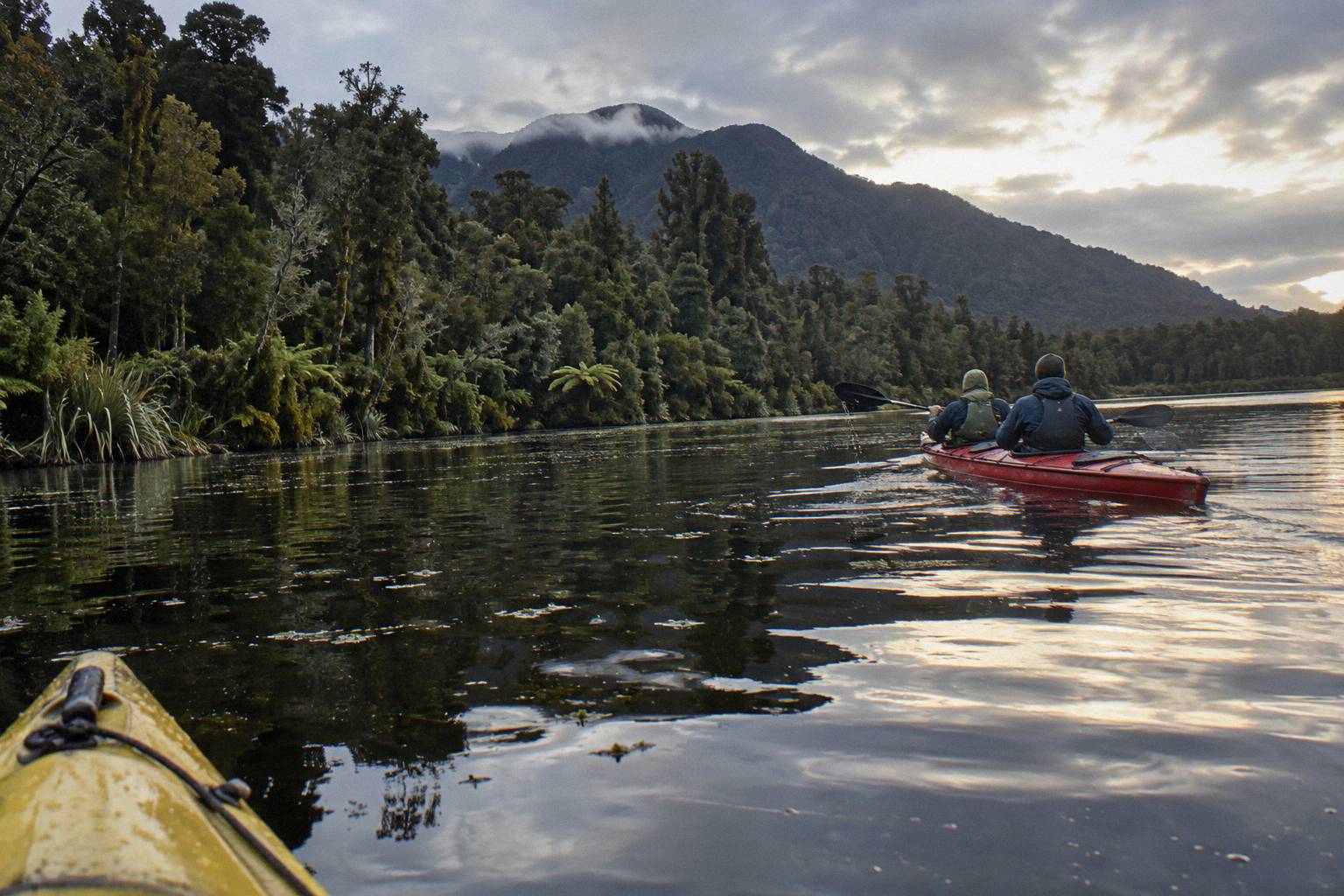
DOC advice for the region is that the best reflections come "on a sunny, windless day" and "at dawn and dusk", which favours the first and last departures of any day in any season. The Lake Mapourika operator adds that "mirror lake reflections are often really dramatic when it's cloudy", so cloud is not the enemy it might seem. Neither operator promises reflections, and no month guarantees them.
This is where season choice gets interesting, because light is seasonal even when rain is not. In summer, the 5pm departure on Lake Mapourika puts you on the water deep into the evening, squarely inside DOC's dawn-and-dusk reflection window at the dusk end. That is the operator's Sunset Classic slot, running 1 November to 31 March at 5pm only. In winter there is no 5pm trip, but the 2pm departure often finishes near sunset all by itself, because winter afternoons close early. Two different seasons, same photographic outcome, reached by different routes.
The cloud question cuts against intuition. The trap is to assume a grey day ruins the lake; the operator's own experience is the opposite, that reflections on the dark tannin-stained water can be at their most dramatic under cloud, and light rain is described as atmospheric rather than miserable. A completely still, sunny evening is the postcard condition, and DOC's guidance reflects that, but a moody cloud ceiling over black water is a legitimate second prize and arguably the more West Coast image. For photographers weighing timing in detail, the piece on when mirror reflections are best on the lake goes deeper.
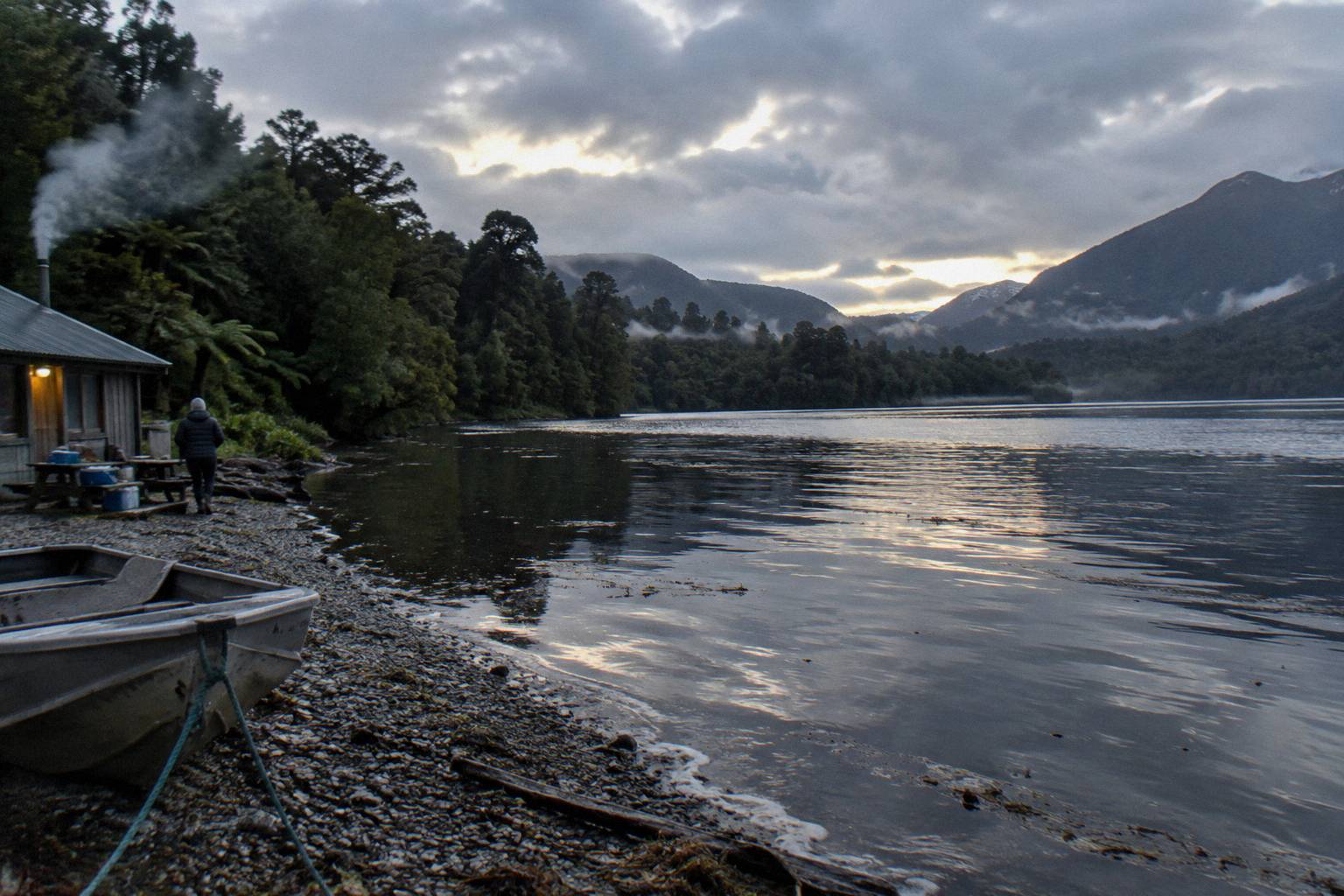
Glacier views work the same way. The lake is not at the glacier, and the operator is careful: "On a clear day we can see many different Glaciers ... including the Neve of the Franz Josef Glacier ... If the clouds are lower in the valley, then we will not see the Glaciers." A clear winter morning, when July's relative dryness coincides with cold, settled high pressure, is statistically a friendlier setup for that view than a wet October afternoon, but it stays a chance, never a promise. Book the paddle for the paddle, and treat any glacier sighting as a bonus.
Which Season Suits Wildlife And The Kiwi Sanctuary?
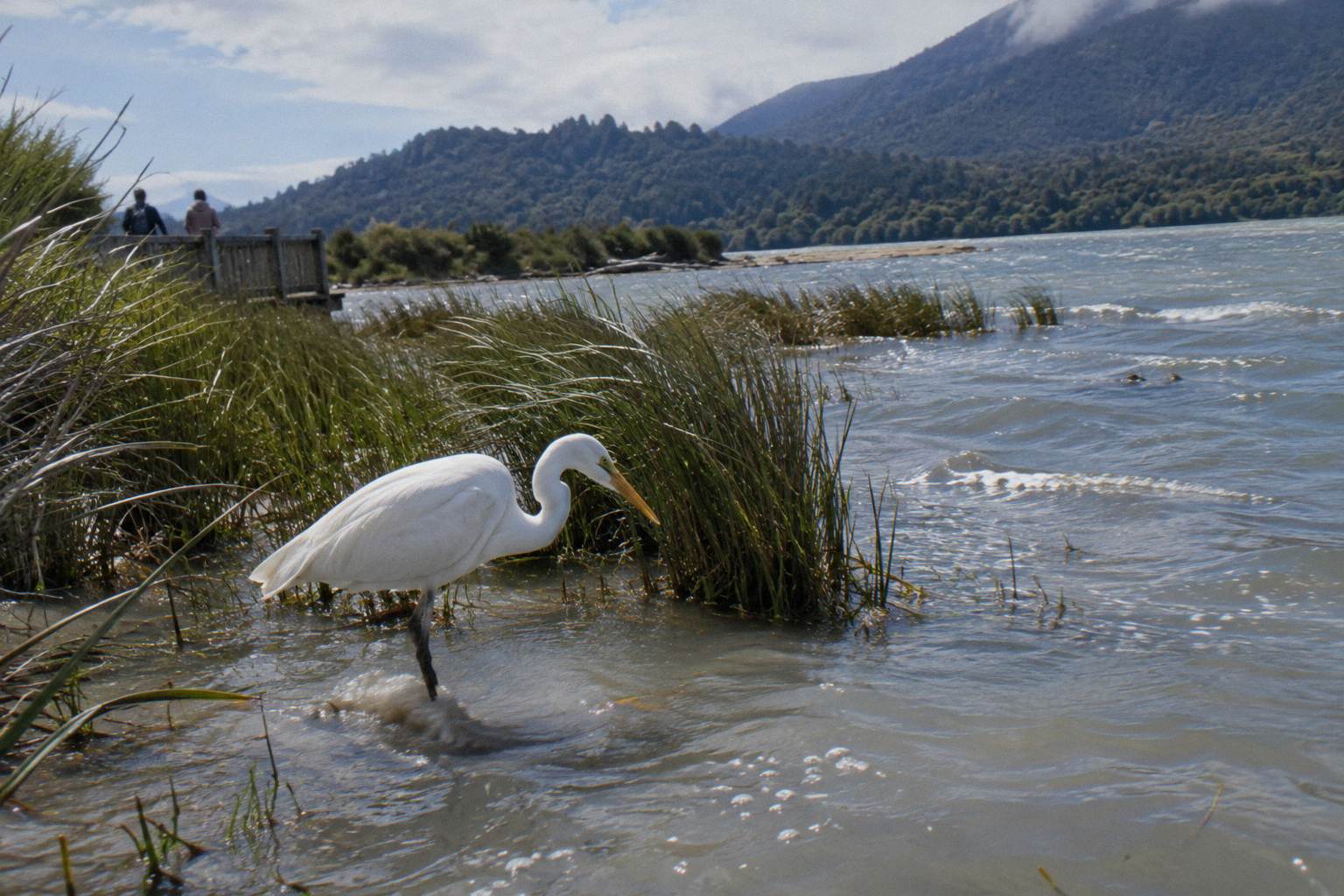
The kotuku detail is the one genuinely seasonal wildlife fact, and it is worth getting right. The nesting colony itself is at Waitangiroto near Whataroa, and kayakers cannot access it: the licensed tour there is a separate operation run by White Heron Sanctuary Tours from Whataroa. What kayakers on Okarito Lagoon actually see is kotuku feeding, and the operator notes that is common throughout the lagoon year round, with DOC adding that the breeding season, September to February, brings the birds to coastal lagoons in numbers. If herons are a priority, that spring-and-summer window raises your odds, but no kayak trip promises a sighting. Other pages covering the same trip are gathered on Franz Josef Kayak Tours.
The rowi kiwi story is less about season and more about place. The sanctuary on the shores around Lake Mapourika covers about 11,000 hectares and was established in 2000, and the operator reports the rowi population has grown from around 150 birds in the 1990s to more than 600 today, though those are operator figures. The 3-hour Mapourika tour crosses the lake into a creek inside the predator-free sanctuary, and the 4-hour Kayak And Walk trip adds about an hour on a private rainforest track reachable only by water. You will not see a kiwi by daylight, they are nocturnal, but paddling inside the fence line where they live is a year-round feature of both trips. The full story is in the guide to seeing kotuku white herons from a kayak.
Season also matters for whom the trip suits. The Kayak And Walk trip, from NZ$179 per person and rated 4.9 from 120+ reviews, carries a minimum age of 4 and mixes about 2 hours 15 minutes of kayaking with about an hour of walking, which is easier to enjoy in a February afternoon than a July one, though it runs in both. The official background on the kotuku and its colony is on the DOC white heron page.
Should You Paddle In Winter At All?
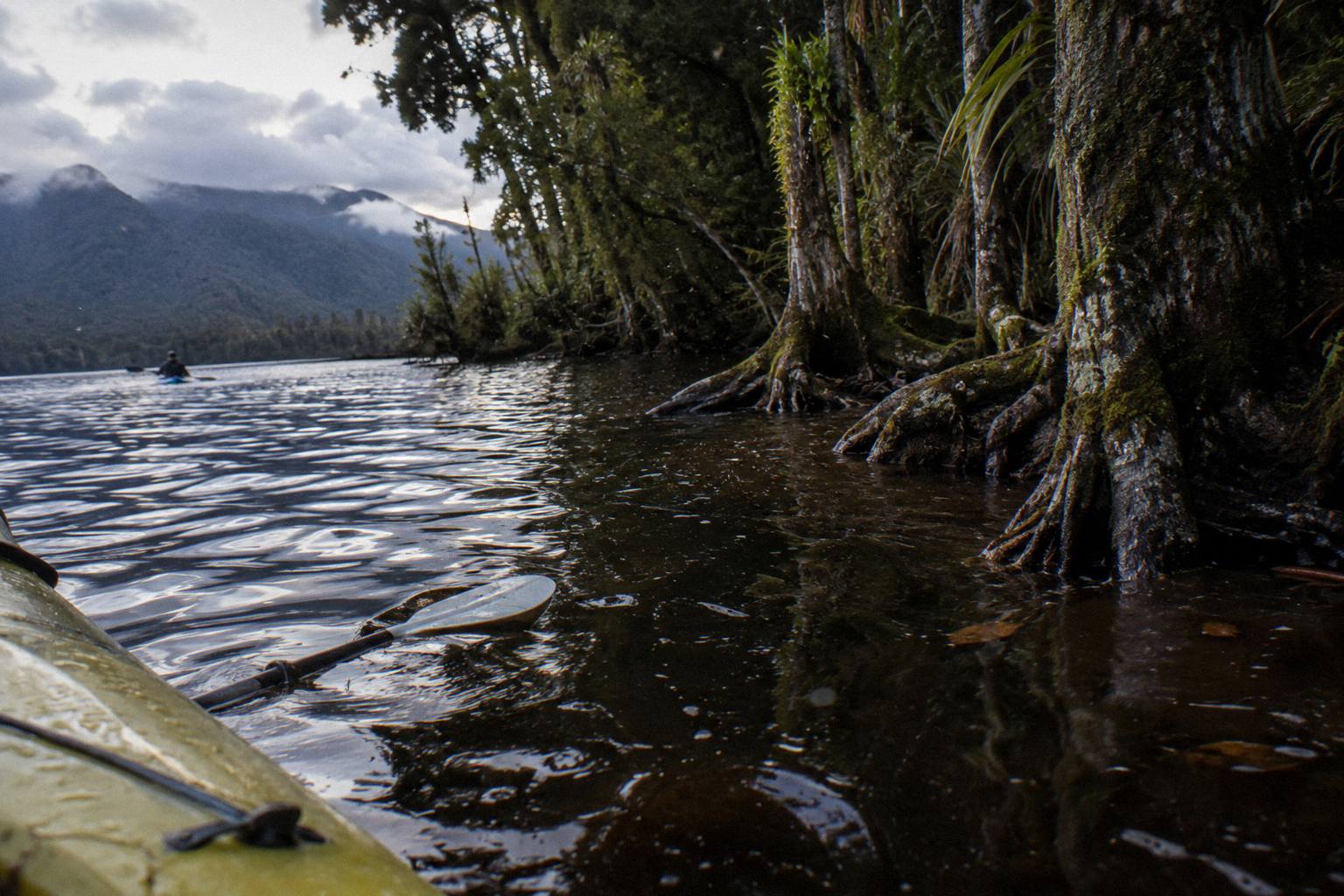
Winter paddling near Franz Josef is a real option, not a consolation prize. July is the driest month in the NIWA record at 317.8 mm, tours run year round on both waters, and the winter 2pm Lake Mapourika departure often finishes near sunset. The trade is cold: July's mean daily maximum is 11.9 °C and its mean minimum 3.3 °C, so warm layers matter more than the calendar.
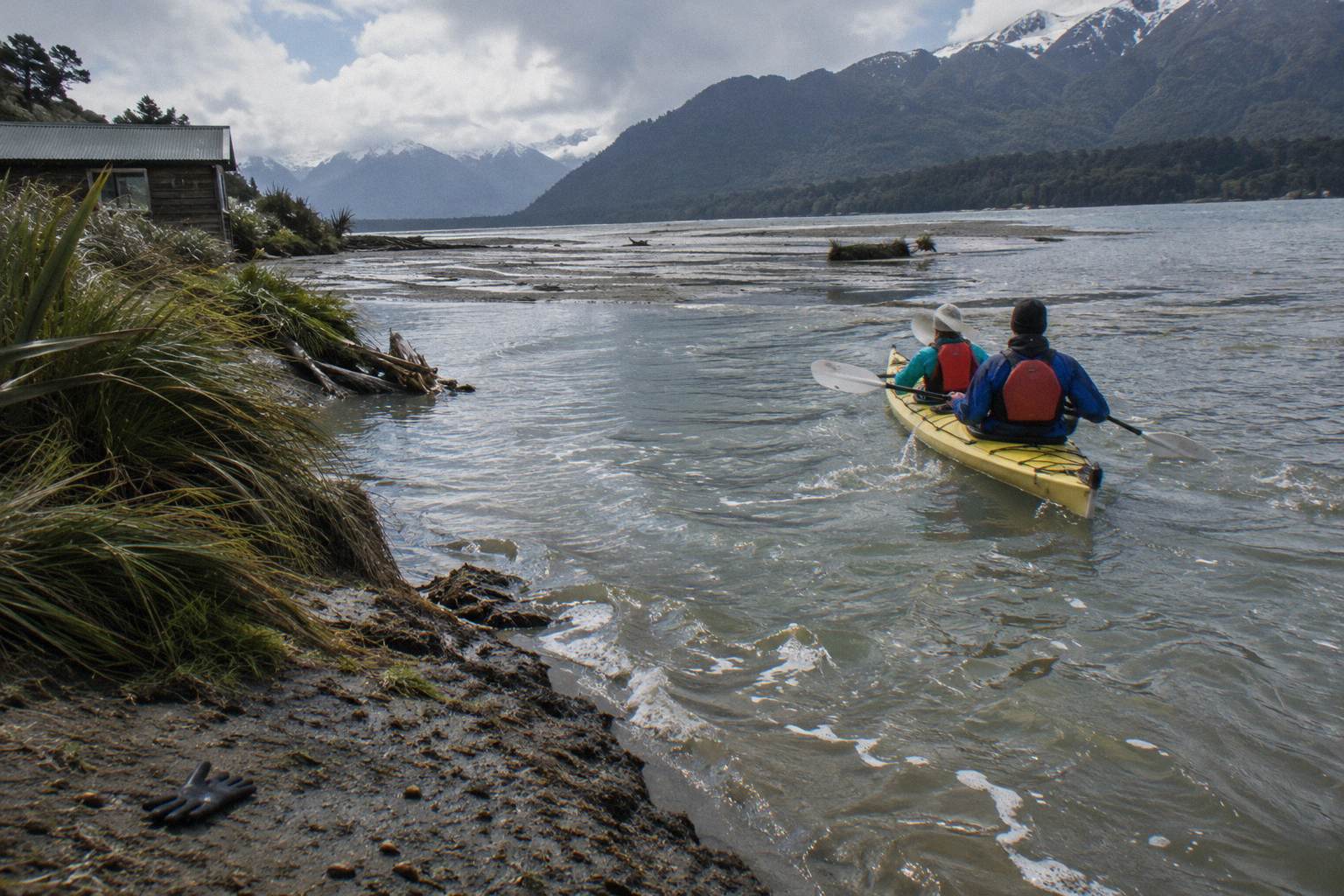
The case against winter is mostly thermal rather than operational. Franz Josef Wilderness Tours supplies paddling jackets, wet-weather gear, kayak skirts and pogies on its lake tours, and stable double kayaks, so the cold is managed rather than forbidding. The operator's risk disclosure notes that hypothermia risk is higher in winter and that the lake is deep and exposed, with medical help potentially one to two hours away, which is why buoyancy aids are worn throughout and conditions get declared. None of that stops the trips running; it just means you take the packing list seriously. The practical guide is what to wear on a kayak tour.
The case for winter is space and softness. February aside, the driest months are winter ones, the crowds of the November-to-April peak thin out, and the 2pm departure doubling as a sunset trip is a genuinely lovely accident of the season. If you are already curious about the cold half of the year, whether kayak tours run in winter answers the operational questions directly.
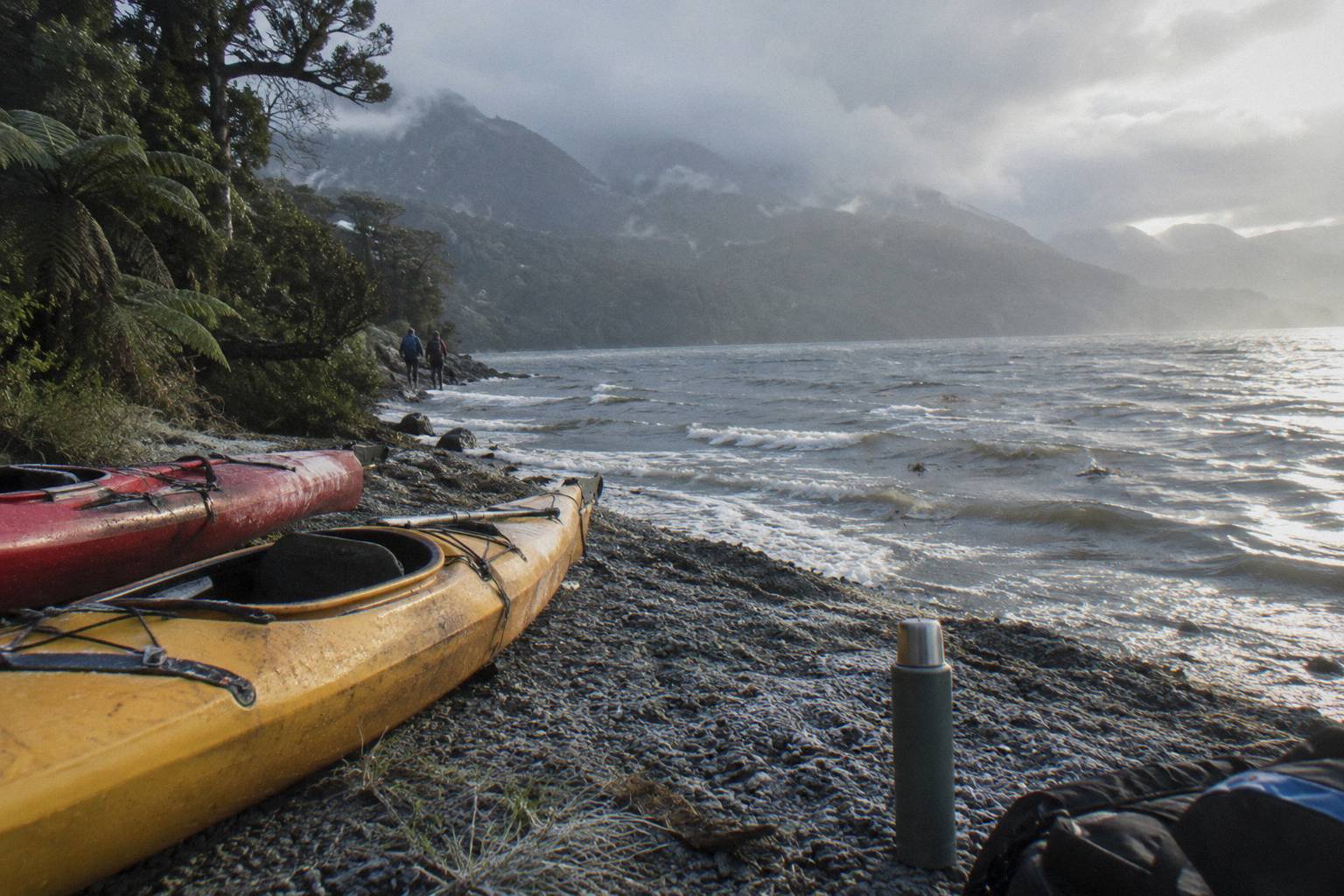
One piece of winter housekeeping applies to every month from 9 October 2026: Maritime NZ requires everyone on a recreational craft 6 m and under, kayaks and paddleboards included, to wear a lifejacket while underway, a rule confirmed on the Maritime NZ lifejacket changes page. On guided tours this is already standard practice, so it changes nothing about your planning, but independent renters should know it is law, not advice.
What About The Tides At Okarito?
Okarito Lagoon is shallow and tidal, and Okarito Kayaks schedules its tour and rental start times "around the best tidal conditions for any day". That is the whole reliable tide fact: no tide height, no better-or-worse tide, no fixed departure table exists to print. Your start time for any given date is on the booking page.
This makes Okarito the one part of the region where season planning and time planning genuinely separate. On Lake Mapourika you can reason from the seasonal timetable: a 5pm summer slot, a 2pm winter one. On the lagoon, the Lagoon Explorer (3 hours total, up to 2 on the water, from NZ$165 per person) and the Lagoon Adventurer (4 hours total, up to 3 on the water, from NZ$210 per person, with some fitness and flexibility expected) both depart whenever the tide is right that day. You choose the month and the trip; the tide chooses the hour.
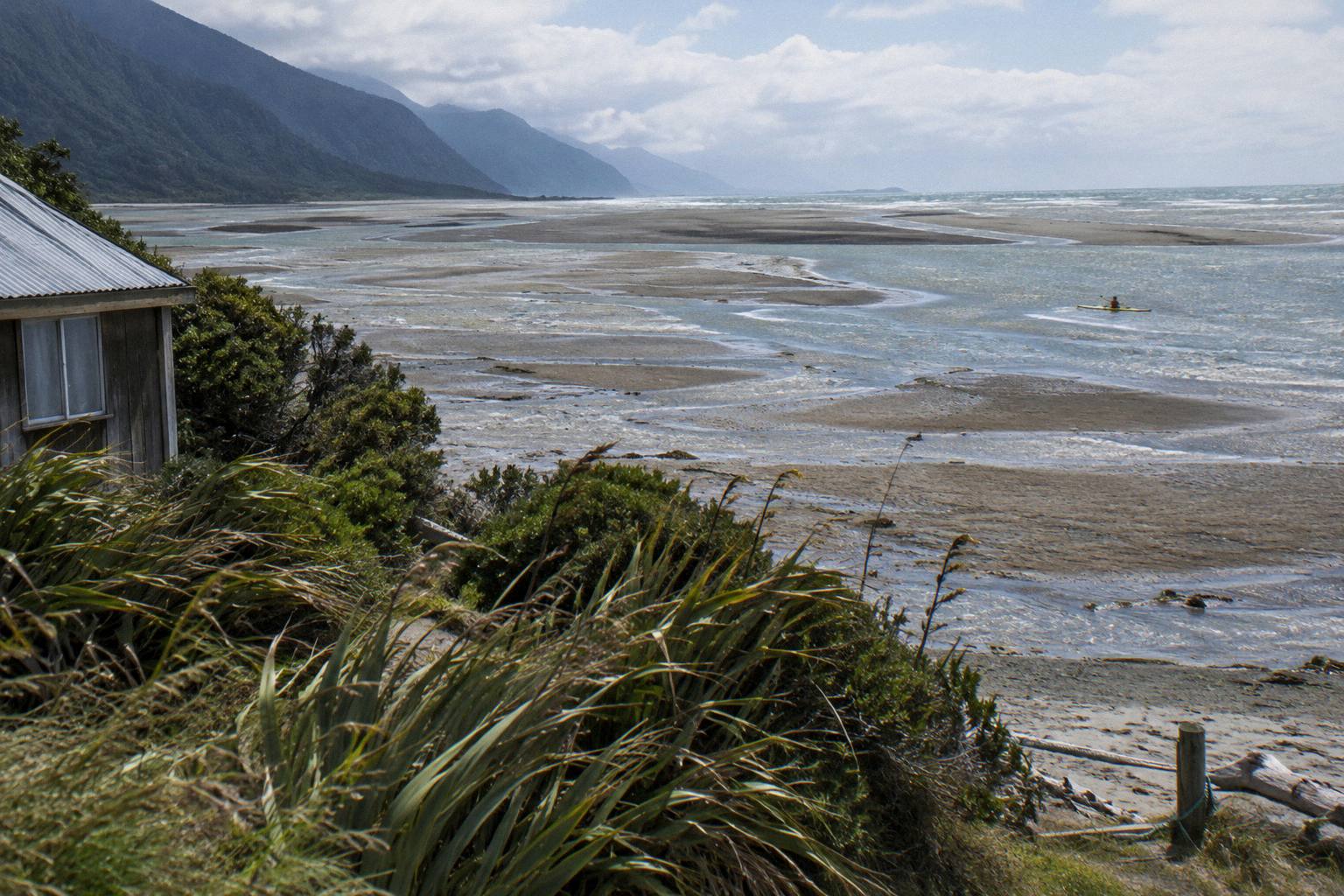
The Adventurer carries a stated maximum weight of 125 kg, and self-arrival at the Okarito Kayaks base on The Strand is required, with no transfer listed, so budget the 25-minute drive from Franz Josef and aim to arrive 10 to 15 minutes early. The village itself has no shop or restaurant, about 40 permanent residents by the operator's count, and sandflies can appear on occasional cloudy, still days, which is why the operator hands out environmentally-friendly insect repellent alongside the dry bags and bird guide. November to March gives you longer daylight to absorb a tide-driven start time; winter means less slack, but the tides keep working all year.
How Do You Actually Choose Your Month?
Match the month to your priority, not to a fictional best month. Long light evenings and the 5pm summer departure point to November to March; the warmest water-side air is February at a 20.5 °C mean maximum; the driest statistics belong to July at 317.8 mm; the heron feeding season runs September to February; and quiet trails point to the winter half of the year. Every choice still comes with rain.
The decision table below names what each window is genuinely good for and leaves the judgement to you. A family with young children weighing warmth against crowds will read it differently from a photographer chasing dusk reflections, and both readings are correct.
| If you want... | Lean toward | Why |
|---|---|---|
| A 5pm evening paddle and sunset light | 1 Nov to 31 Mar | The operator's 5pm departure, its Sunset Classic slot, runs in this window only |
| The warmest days | February | Highest mean daily maximum in the NIWA record at 20.5 °C; second-driest month at 357.6 mm |
| The driest statistics | July | Driest month at 317.8 mm, with the trade of an 11.9 °C mean maximum |
| Kotuku feeding in the lagoon | Sep to Feb | DOC notes the breeding season brings the birds to coastal lagoons; the operator says they feed year round |
| Quieter tracks and trips | Apr to Oct | Outside the busy November-to-April peak noted by DOC for the region's walks |
| A tide-timed Okarito paddle | Any month | Lagoon start times follow the tide, not the season |
Two structural facts soften whatever date you land on. All five trips carry free cancellation up to 24 hours on the booking page, so an early booking is low-risk: full refunds apply if you change or cancel at least 24 hours ahead, and the operator may cancel for minimum numbers or unsafe conditions with a full refund too. And the family of Lake Mapourika trips spans budgets and formats, from the Scenic Cruise at from NZ$125 per person for those who would rather stay dry under a canopy, through the 3-hour paddle at from NZ$159, to the 4-hour Kayak And Walk at from NZ$179. None of those prices moves you between months; only availability does, which is the strongest argument for booking ahead once the month is chosen.
The last word belongs to flexibility. The West Coast rewards travellers who book the trip, watch the forecast and trust the operator's local read, because the same township rain that worries you may not even be falling at the lake. Choose the month for its light, its warmth or its wildlife, and let the day itself decide the rest.
Common Questions About The Best Time For West Coast Kayaking
What Is The Best Month To Kayak Near Franz Josef?
There is no official best month. Every month in the NIWA record averages above 300 mm of rain. Choose by priority: February is warmest at a 20.5 °C mean maximum, July is driest at 317.8 mm, and November to March adds the 5pm summer departure.
Do Kayak Tours Run In Winter Near Franz Josef?
Yes. Lake Mapourika tours run winter sessions from 1 April to 31 October with 9am (or 10am) and 2pm departures, and the 2pm trip often coincides with sunset. Okarito Kayaks operates year round with tide-scheduled starts.
When Is The 5 PM Sunset Kayak Departure Available?
The 5pm departure on Lake Mapourika runs only from 1 November to 31 March, as the operator's Sunset Classic slot. In winter there is no 5pm trip, but the 2pm departure often finishes near sunset.
Which Is The Driest Month In Franz Josef?
July, at 317.8 mm mean rainfall in the NIWA 1991 to 2020 record. October is the wettest at 594.1 mm. Even the driest month is wet by most standards, so rain gear matters in every season.
When Can I See White Herons While Kayaking?
Kotuku feed in Okarito Lagoon year round, and DOC notes the September-to-February breeding season brings them to coastal lagoons. The nesting colony at Waitangiroto is a separate licensed tour from Whataroa and cannot be reached by kayak.
Do Tours Get Cancelled For Rain?
Lake Mapourika tours run in wet weather with supplied gear, and Franz Josef Wilderness Tours cancels only for unsafe conditions, offering an alternative or a full refund. Check the booking page for the Okarito operators' weather policy.